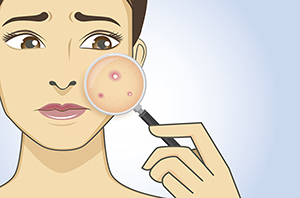
While epidemiologic studies report a low incidence of acne in non-developed nations, clinicians and researchers suggest that environmental factors such as diet play a role in its development. To this end, examination of the Glycemic Index and Glycemic Load and their impacts on acne pathogenesis are examined in a novel study of adult New Yorkers.
In this cross-sectional study, participants had a blood draw to measure the biological factors associated with breakouts including glucose, insulin, insulin-like growth factor-1 (IGF-1) and sex hormone binding globulin (SHBG). Additional assessments included body composition and a questionnaire to evaluate food-aggravated acne and quality of life with breakouts.
Of the 64 subjects in this study, 32 had no acne and 32 had moderate to severe acne.
Researchers found that those with moderate to severe acne consumed greater total carbohydrates and of higher glycemic loads than those without acne. The participants with acne also had higher insulin readings, higher IGF-1, greater insulin resistance and lower SHBG compared to those subjects without acne.
Needless to say, those with moderate to severe acne reported a lower quality of life. They did however, believe their acne was influenced by their diet.
This study suggests a relationship between carbohydrate consumption, including Glycemic Load, and acne. Indeed, both high GI and GL are implicated in the etiology of acne due to chronic diet-induced hyperinsulinemia spurring subsequent hormonal abnormalities. These changes cause breakouts due to increased androgens, unregulated tissue growth and sebum production in skin.
Stay tuned for an in-depth look at the causes of acne next week.
To your health!
J. Burris, W. Rietkerk, J. Shikany, et al. Differences in dietary glycemic load and hormones in New York City adults with no and moderate/severe acne. J Academy Nutr and Dietetics. 2017;117(9):1375-82.
As you may know, I’ve been doing a weekly “Q&A with Leyla” podcast feature with Dr. Hoffman. Now you can get my perspective and expertise every Friday on my own episode of the Intelligent Medicine Podcast. If you missed last week’s, you can listen here. To be sure you don’t miss out on any of my important insights and information, subscribe today!
Leyla Muedin has clients all over the country via telephone consultations. No need to travel to New York City for a nutrition consult. Should you require her services, please call our office to set up an appointment: (212) 779-1744.