Q: What is the difference between the glycemic index and glycemic load? Is it true that if one eats a high glycemic food along with foods higher in protein, fat and fiber they will slow down the absorption of the carbohydrates and sugar?
A: Yes, that’s correct. Foods that are higher fat, protein and fiber help to lower the glycemic load (GL), but fat and protein work better than fiber in this regard, according to the literature.
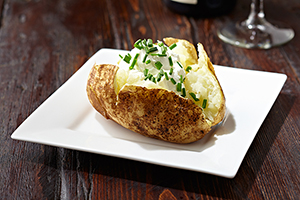
The glycemic index (GI) compares the potential of various foods—in like portions, containing the same amount of carbohydrate—to raise blood sugar after ingestion (how quickly and how high your blood sugar goes). However, no one really eats a single food at a meal, e.g., a baked potato. The glycemic load is determined by the other foods present at that meal.
For example, a simple baked potato has a high GI—76 to be exact, but if you add butter and sour cream to it along with a steak and a side of broccoli, you are effectively lowering the GL of that baked potato. Another example would be to add a smear of nut butter to an apple to lower the GL of the apple. In essence, the glycemic load is the sum of the glycemic loads for all foods consumed in the diet.
Scientists calculate the GL of a food by multiplying the GI by the amount of carbohydrate grams in the food and dividing it by 100. This way they’re able to describe the quality and quantity of carbs in a meal. For more in-depth information on GI and GL, visit this website.
Bottom line: The glycemic load is more meaningful than the glycemic index in terms of a meal’s total effect on blood sugar.
To your health!