I come home from work on a typical weekday and pull out of the fridge an approximately 3 ½ pound organic chicken I purchased the other day with my other groceries—salad greens and other veggies to roast in the oven like zucchini, broccoli, Brussels sprouts, fennel, onions, and asparagus. I never purchase a chicken larger than 4 pounds. I don’t find them flavorful and I don’t have the time or inclination to brine it hours ahead of time—as many cooking experts would advise. Admittedly I’m a clinician, not a chef.
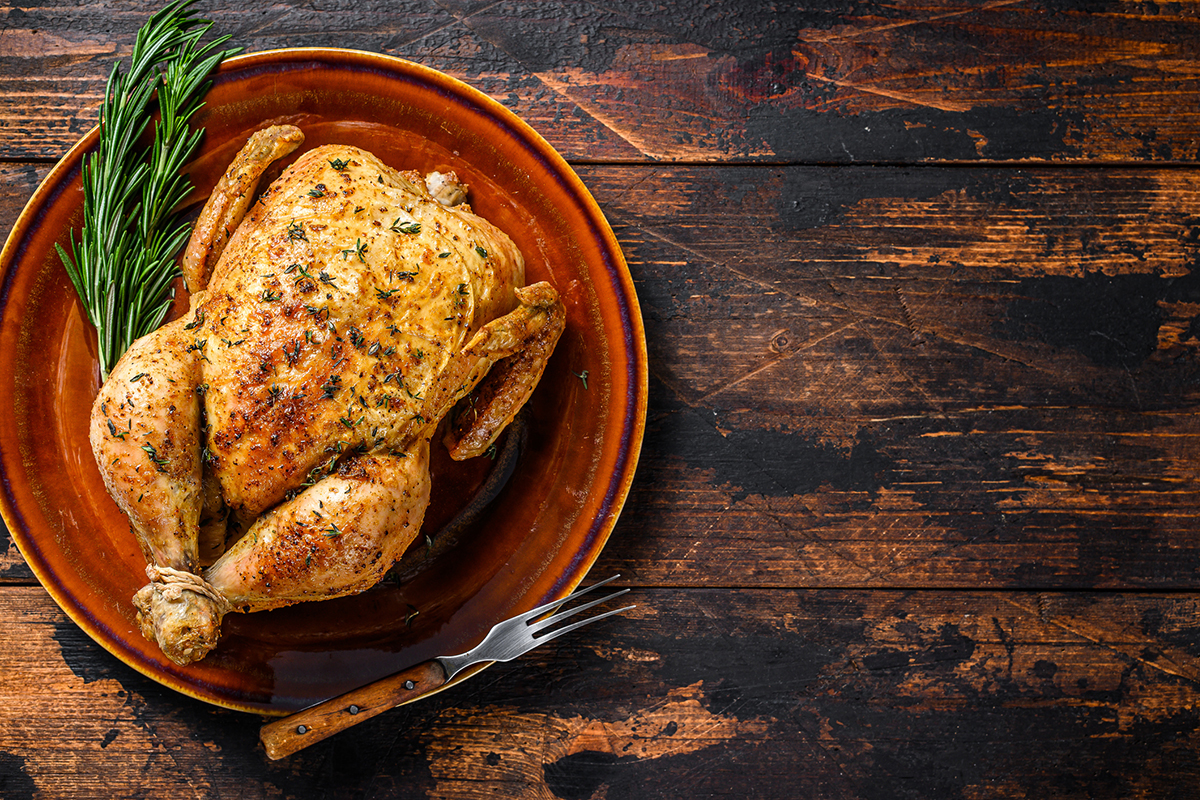
I preheat the oven to 400 degrees Fahrenheit and line a roasting pan with parchment paper. In the middle of the pan, I nestle together some carrots, onions, and red-skinned potatoes (halved so they don’t roll around) to act as a roasting rack for the chicken after seasoning them first. I liberally salt and pepper the chicken, add a sprinkling of rosemary and sage, and place the bird on the veggie ‘rack’. I will tell you there’s nothing more delicious than schmaltzy roasted potatoes and veggies!
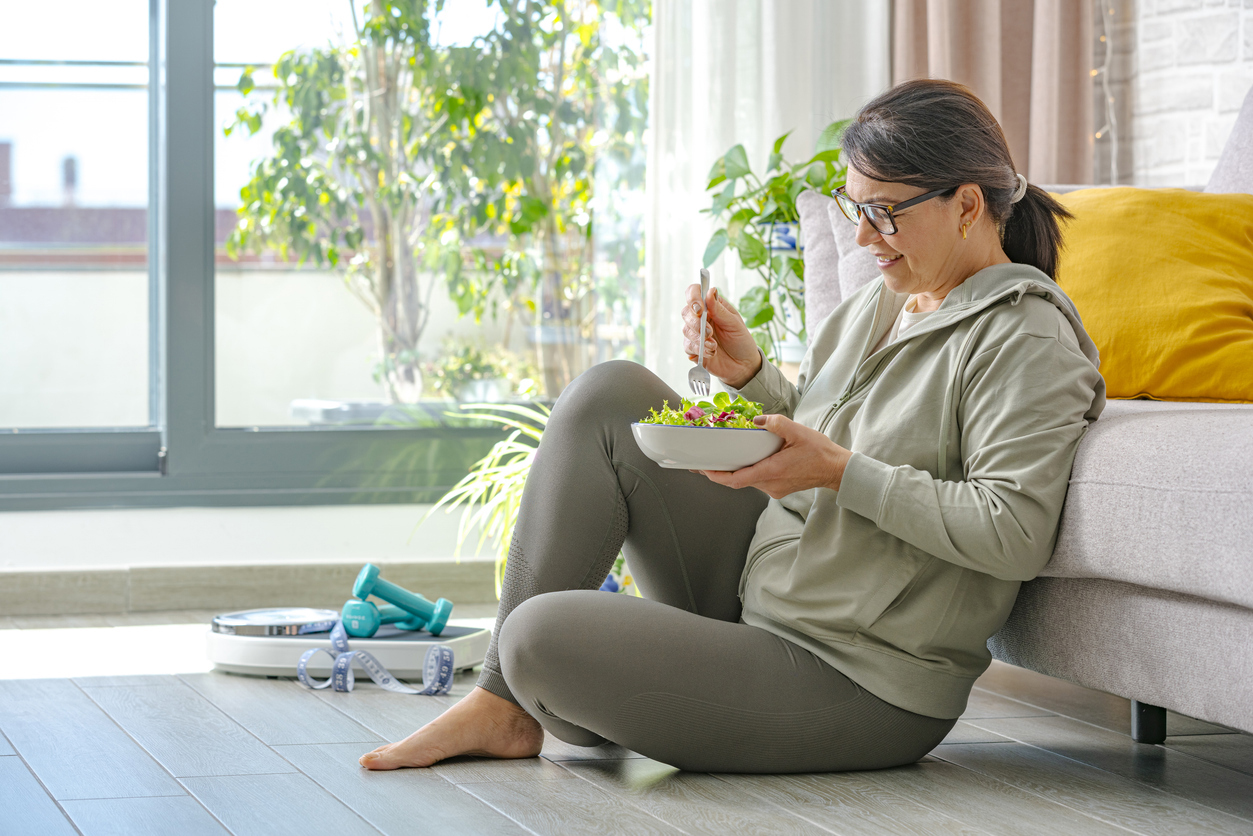
I leave the pan on the counter while the oven is preheating and the chicken is coming down to room temperature. It is desirable to allow any animal protein a little time to shed the chill from the fridge before cooking. Meanwhile, I throw together a salad of arugula, romaine, maybe some red cabbage, parsley and dill, chopped radishes, cucumbers, and red onion, maybe a chopped red pepper, maybe cilantro, some shredded carrot. I also like celery, tomatoes, and avocado in a salad. The composition of it depends on what’s available at the market. I’m always aiming for at least five colors a day in my produce. I love fresh herbs like dill, parsley, and cilantro in a salad—they add depth of flavor.
The dressing is simple: first salt and pepper the salad and toss; add fresh lime juice and toss; lastly a nice drizzle of olive oil and toss. My husband taught me the salad takes its flavors better with the individual addition of seasonings, then adding olive oil last. From time to time, instead of lime juice, I’ll use red wine vinegar with or without a splash of balsamic and a tablespoon of water—to cut some of the acidity.
The chicken takes between an hour and an hour and a half to cook. Note – your oven times will vary. Once removed from the oven, I let it rest for about 15 minutes so the juices can redistribute resulting in a moist, tender chicken.
If I have a yen for it, I’ll enjoy a fresh piece of fruit in season for dessert. From this meal alone I will have at least 3 more portions of chicken leftover to enjoy over the next couple of days making lunch prep easy. Cold roast chicken with salad anyone?
To your health!
Leyla Muedin, MS, RD, CDN