Q: My husband’s high sensitivity C-reactive protein (hs-CRP) is 1.62 and his homocysteine is 13.1. If they both measure inflammation, why is one result normal and the other one high?
A: While both hs-CRP and homocysteine are markers of inflammation, they are not necessarily related.
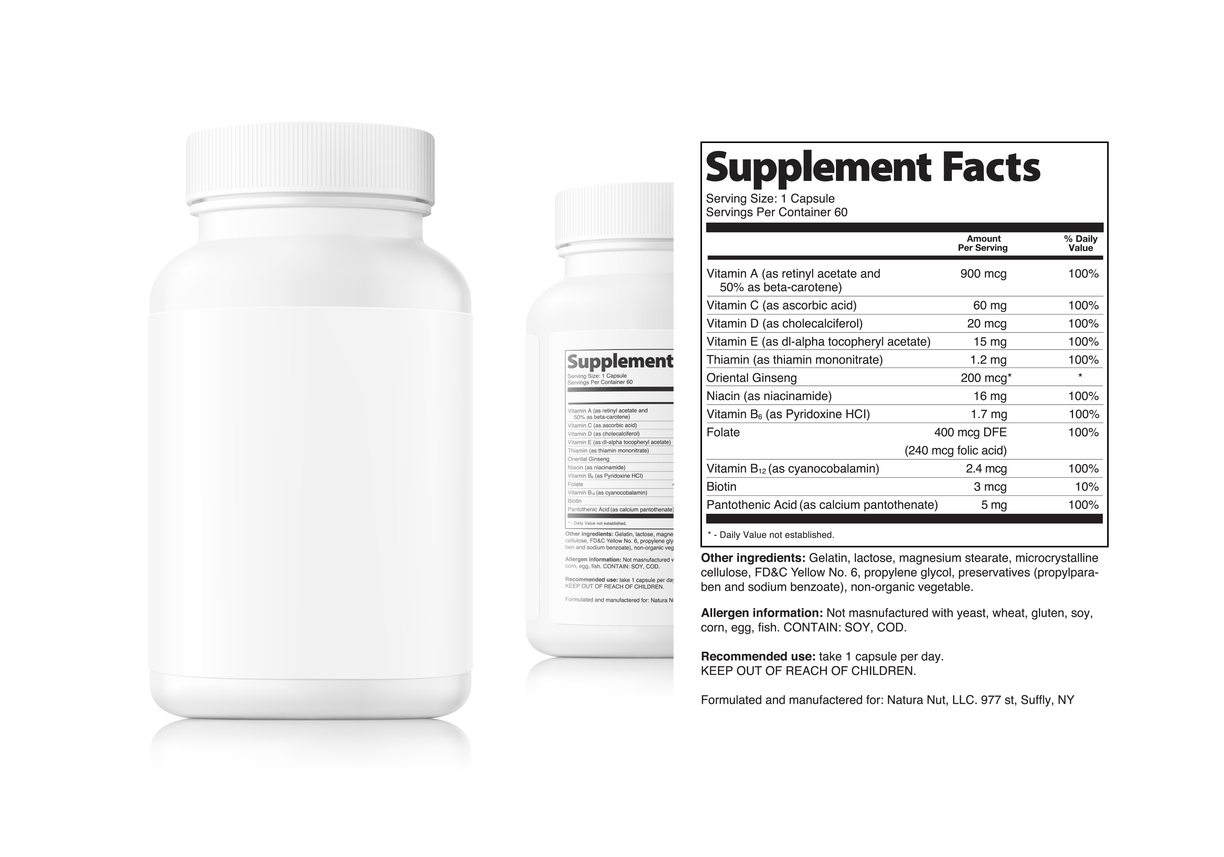
A high homocysteine represents a glitch in the metabolism of methionine, an amino acid. The conversion of homocysteine back to methionine requires ample amounts of B vitamins such as B6, B12, and folate as well as betaine, known as trimethylglycine, to aid in lowering it. High homocysteine is a risk factor for cardiovascular disease, stroke, Alzheimer’s disease and bone fracture.
Those with the MTHFR polymorphism (a gene mutation) may have high homocysteine levels, although that is not always the case. Nevertheless, it’s an easy fix for most individuals by supplementing with methylated B vitamins such as those found in Ortho Molecular’s Methyl CpG. Optimally, we like to see homocysteine levels below 8.
It’s critical to note there are no symptoms of high homocysteine. Only a blood test can reveal if levels are out of range. Because it’s an important risk factor to monitor, ask your doctor for this test since it’s still not yet routinely ordered.
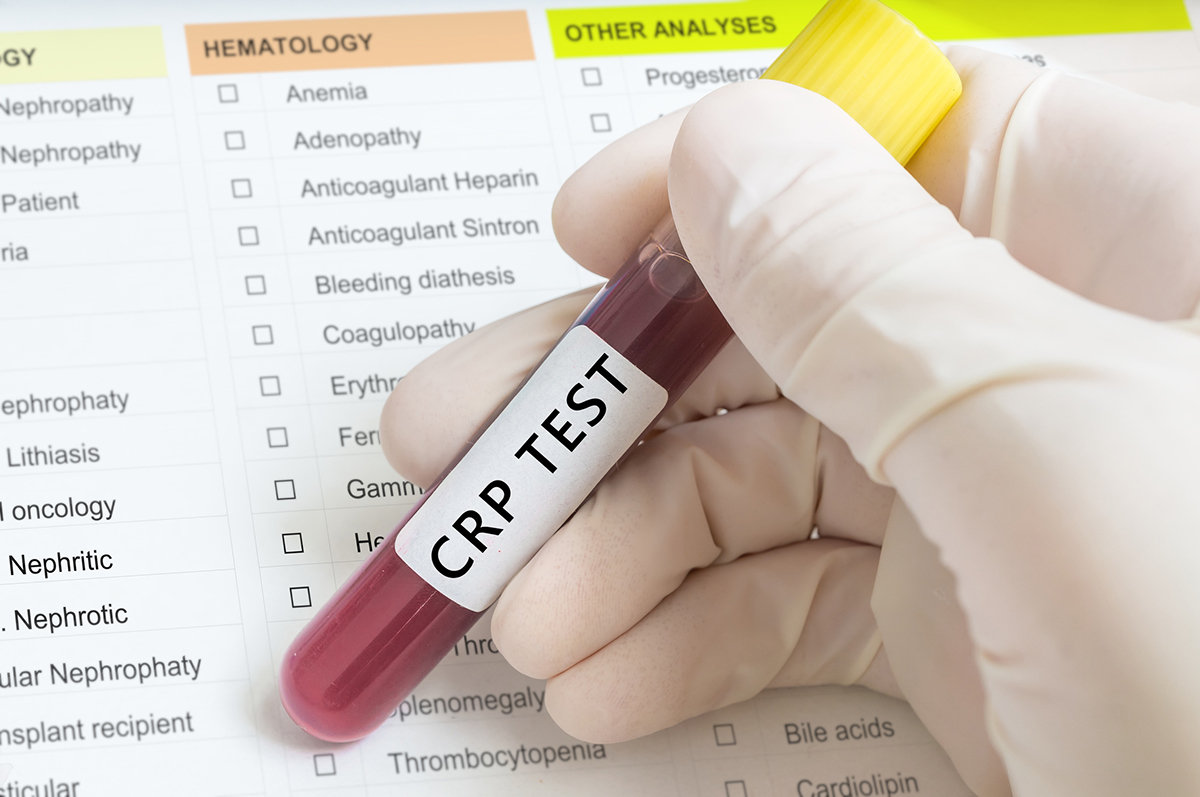
C-reactive protein is a general marker of inflammation in the body but hs-CRP targets inflammation in blood vessels, specifically coronary arteries. An hs-CRP reading of 1.62 represents average risk. You can read about targeted therapies to lower CRP here.
To your health!