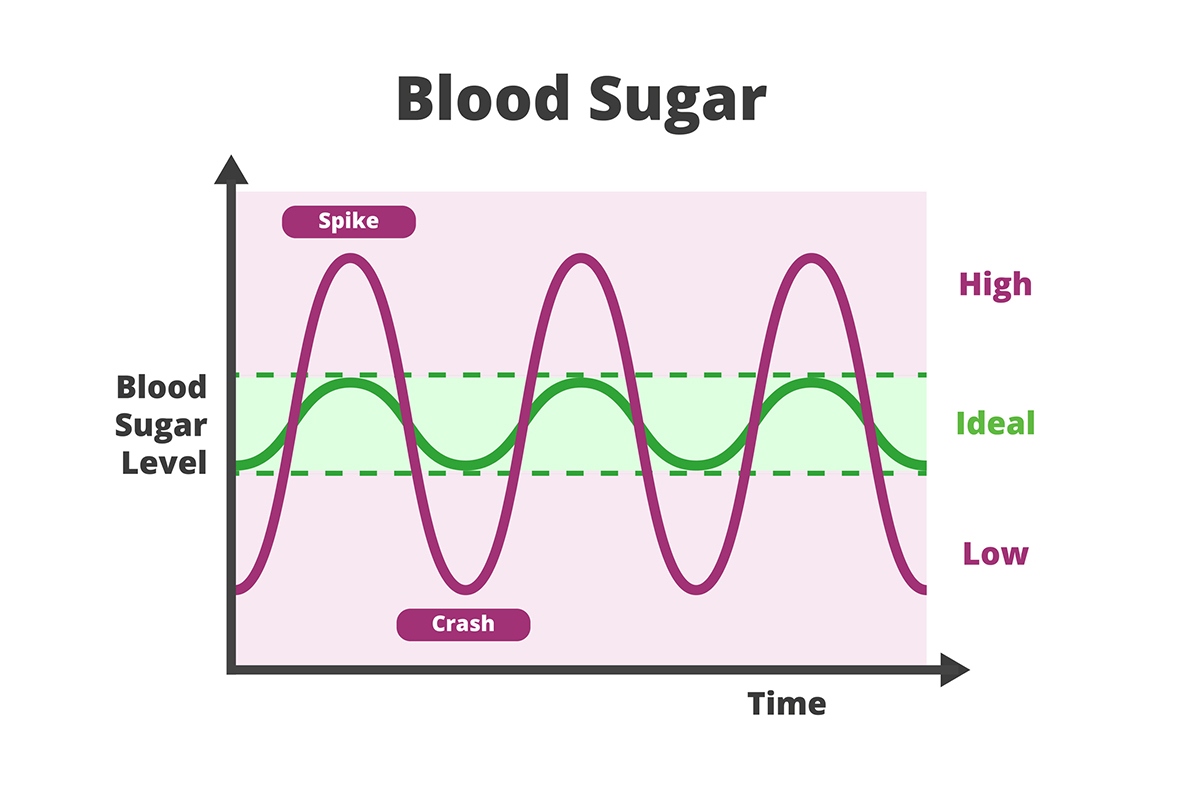
Mainstream medicine is making serious blunders in its approach to diabetes, and conventional physicians and dieticians can’t get straight the proper diet to treat diabetes. They adhere slavishly to the diabetic “exchange diet” developed decades ago, which emphasizes bountiful carbohydrate portions that create wide swings in blood sugar.
Doctors get this wrong, even in the face of a study in the Journal of the American Medical Association. This study compares the standard American Diabetes Association diet to a Mediterranean diet lower in carbohydrates and higher in beneficial monounsaturated fat. The study clearly demonstrates the advantages of the Mediterranean diet in terms of blood sugar control and cholesterol optimization.
The use of oral hypoglycemic agents, the pills that are often used before insulin is employed, certainly help to normalize blood sugar, but nowhere have the pills been demonstrated to extend longevity. Just as with cholesterol and blood pressure, drugs affect a single parameter—in this case sugar levels—without really having a significant impact on the quality or duration of life.
Some have proposed that persons with variants of sugar disease follow a diet that rigidly excludes carbohydrates, concentrating instead on meat and vegetables. In my opinion, this rarely is necessary and results in dietary imbalance. But how do we recognize which carbohydrates to emphasize and which to restrict?
The answer lies in the glycemic index, or GI. The GI is the result of nutritional research, and it seeks to precisely define the ability of a given carbohydrate food to liberate sugar and trigger an insulin response. In general, the more complex a carbohydrate, the lower its glycemic index. Beans, for example, while carbohydrate-laden, are low. Table sugar is, of course, high.
But there are some surprises on the GI list that defy intuition. For example, corn, a perfectly acceptable “natural” vegetable, is quite high on the GI. So are potatoes, especially the processed, mashed kind. So are juices, most fruits, breads and muffins—even the whole grain, high-fiber kind—along with milk and yogurt, which contain milk sugar.
Surprising to some is the fact that dried fruit, despite being “natural,” has a virtually identical GI to commercial candy.
So . . . what’s left? Legumes and whole grains in their unmilled form, such as brown rice, millet, barley, bulgar, rolled oats, amaranth and quinoa. Here’s a cardinal rule: Live as if the flour mill had never been invented.
In addition, frequent small meals keep blood sugar fluctuations to a minimum and conserve insulin.
Herbs have been shown to have a useful role in fighting diabetes. According to the American Botanical Council’s latest research, better blood-sugar level control can be achieved with the following herbs:
- Slippery elm and psyllium for sugar absorptions
- Licorice, skullcap and ginkgo for inhibiting the production of polyols, which can lead to nerve and eye complications
- Ginkgo and hawthorn for preventing and treating cardiovascular disease, which is a major cause of death in diabetics.
Additionally, a study by Dr. Richard Anderson of the USDA shows that chromium picolinate, administered in doses of up to 1,000 micrograms per day, can lower blood sugar levels up to 40 percent in non-insulin dependent diabetics. Other nutrients confirmed to benefit diabetics include magnesium, vitamin C, vitamin E, GLA and lipoic acid.