Q: Is it ever a good idea to give insulin to a type 2 diabetic without first testing to see if their pancreatic beta cells are functioning and producing insulin?
A: With the exception of administering insulin to a patient in hospital to cover blood sugar during their stay (where blood sugar may be high secondary to trauma and illness), it is best to first test for pancreatic insulin secretion, whether via glucose tolerance testing or a proxy such as C-peptide. C-peptide is a by-product the pancreas releases when producing insulin.
I’ve noticed a disturbing trend of doctors prescribing insulin as a first-line treatment for type 2 diabetes rather than a medication like metformin. In my opinion, insulin should only be used in type 1 diabetes, which is a condition where no insulin is being secreted by the pancreas. Insulin is a very important hormone necessary for life.
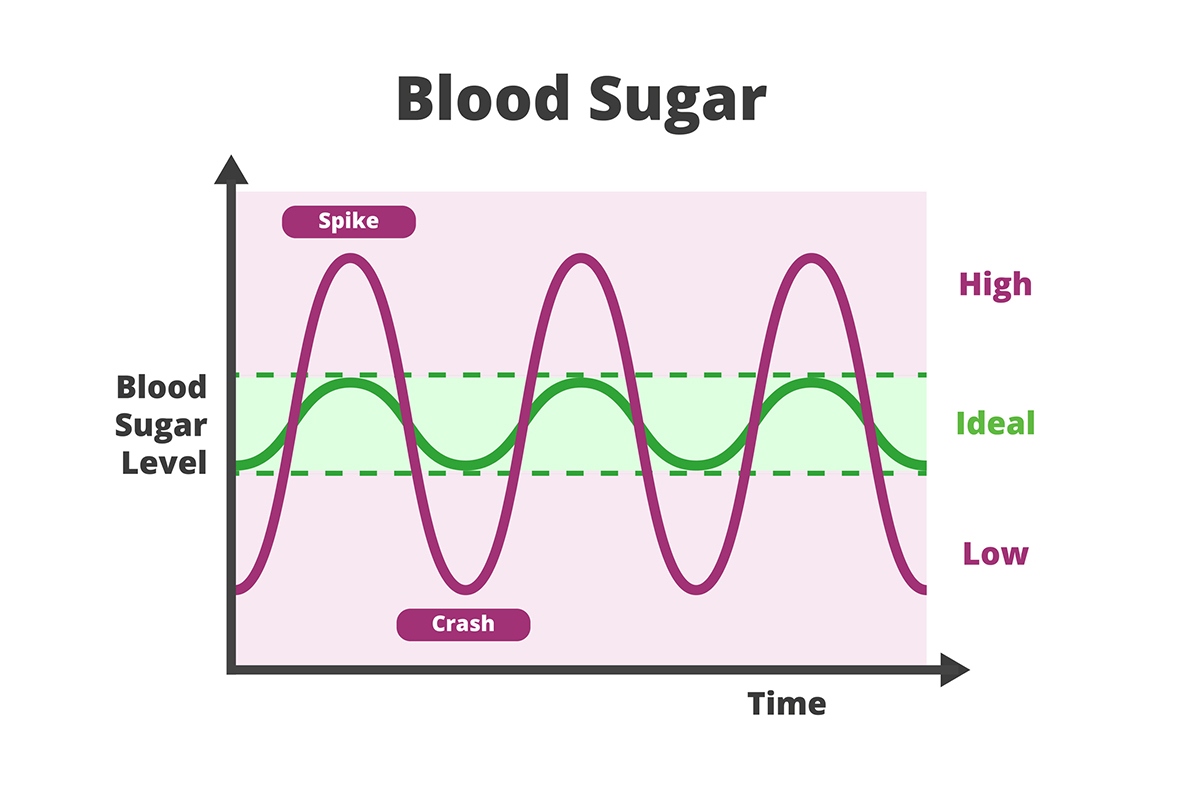
Too much insulin, whether endogenous as in hyperinsulinism or exogenous with insulin administration, can cause or exacerbate a host of derangements in the body—the first being fat storage. Weight gain is a common side effect of insulin administration due to eating so many carbohydrates and requiring insulin to ‘cover’ the high blood sugar that ensues with eating in this manner.
Another adverse impact of too much insulin is high uric acid—most often implicated in gout. Hemodynamically, too much insulin increases sympathetic nervous system activity, causes sodium retention (leading to hypertension), and causes LDL cholesterol to become small dense atherogenic pattern B particles. Novel risk factors associated with inappropriate amounts of insulin include increasing C-Reactive Protein (CRP), increased fibrinogen and PAI-1 (Plasminogen Activator Inhibitor-1) which increases risk of atherosclerosis. Indeed, all that insulin is proinflammatory.
All diabetics, whether type 2 or type 1, require a low-carb diet so that insulin production or administration is kept to a minimum. We do need insulin, but not a lot. For a deeper dive on this topic, listen to Dr. Hoffman’s recent podcast episode with Gary Taubes.
To your health!
Leyla Muedin, MS, RD, CDN