Part 1: Weaponized Plague?
Death at clandestine Siberian bio lab raises specter of weaponized plague leak. As aging science faces new bio threats, researchers warn of containment gaps. Oats for constipation—friend or foe? Moreover, how long can supplements keep? Ongoing assessments shape policy and public response.
New weight-loss med that preserves lean body mass nears approval. Reading for pleasure—a waning pastime—enhances memory, mood, and empathy. Experts caution against overreliance on novelty products. Continued research is essential for safe, effective choices. Readers should seek balanced information and verify claims.
Part 2: Mistletoe for Cancer? Aging and Health Narratives
The brouhaha over fortifying foods with folic acid—Is it a cancer promoter? This debate weighs potential risks against possible benefits. It mentions follow-up to a botched Tennessee execution and considers dietary trends such as Whole 30 or Paleo diets for autoimmunity.
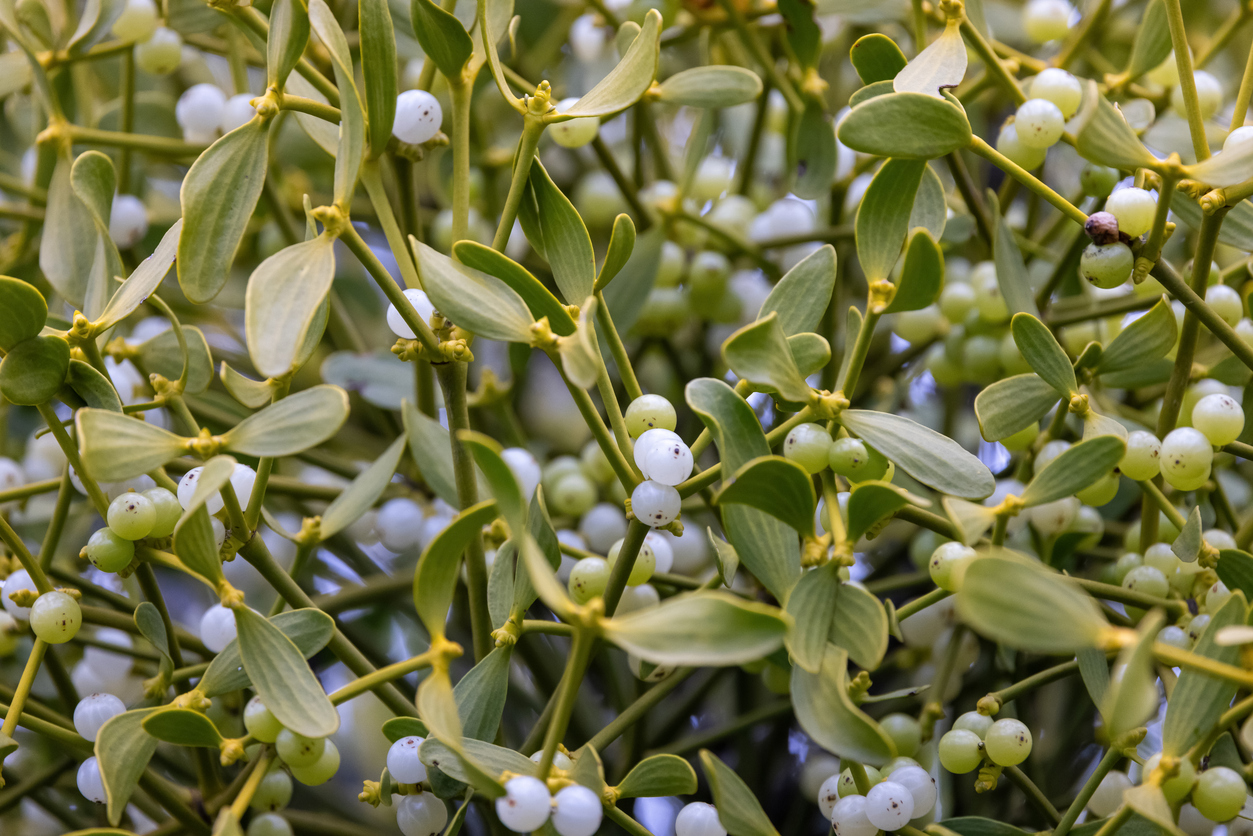
Mistletoe for cancer is discussed alongside lifestyle changes that may match cognitive behavioral therapy in improving depression. The discussion presents diverse therapeutic approaches, comparing evidence and outcomes while emphasizing patient choice.
Sugar avoidance in the first 1000 days of life is linked to slower organ aging and a lower risk of chronic disease in later life, suggesting early diet shapes long-term health. This perspective connects infancy nutrition to adult resilience and illustrates how dietary choices echo through aging and quality of life.