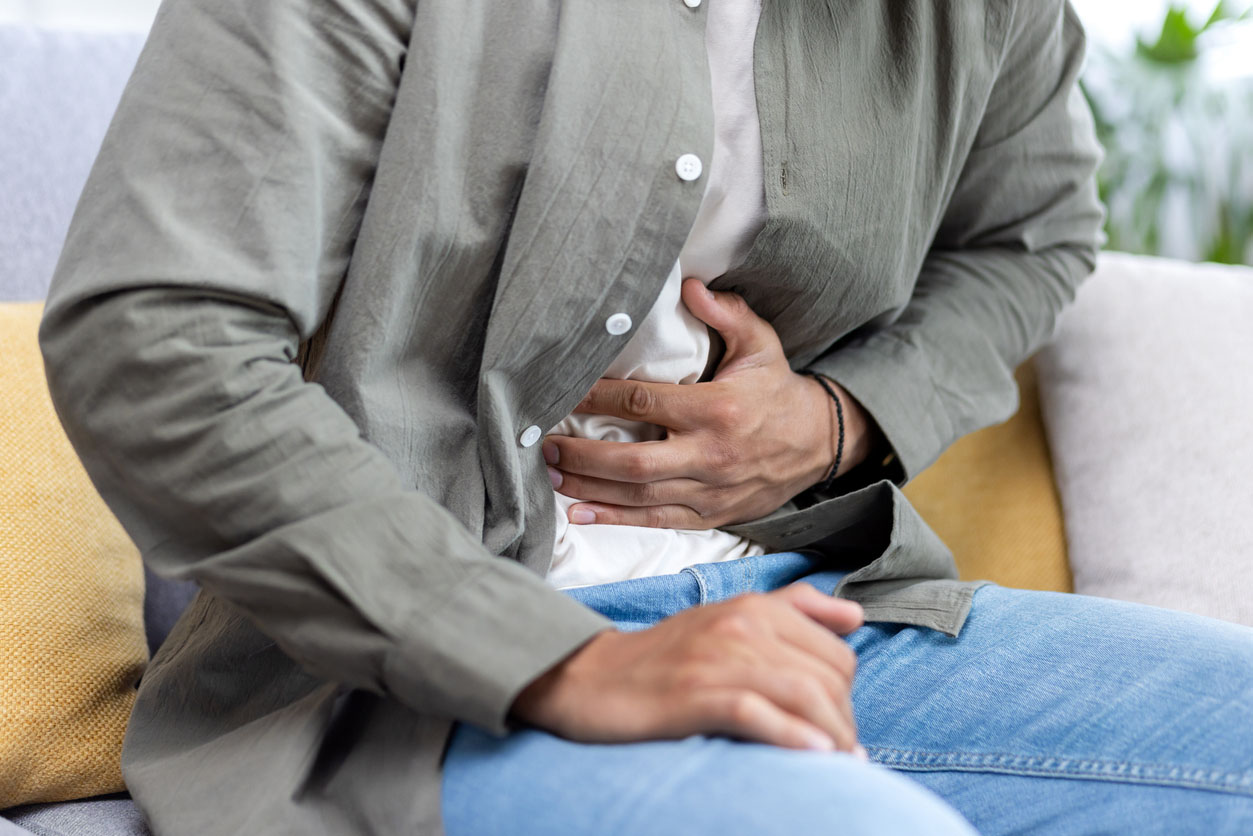
Whether you’re suffering with occasional heartburn or GERD, constipation, diarrhea, or intermittent gas and bloating, here are some practical tips for figuring out what’s causing your discomfort.
First, if your symptom(s) appear after eating, what did you eat? Are there any foods you suspect are causing the problem? Maybe the distress isn’t presenting itself directly after a meal, but the next day, like constipation. Did you eat foods that are binding? These include bananas, white rice, applesauce, black tea, dry toast, cheeses, raw nuts, and dark chocolate. For many, wheat and other gluten grains can make digestion sluggish. Try avoiding these foods altogether for the next several weeks and see if constipation doesn’t resolve altogether.
Maybe your symptoms emerged after starting a new medication, or after a round of antibiotics? So many medications list gastrointestinal side effects like dry mouth, nausea, diarrhea, and constipation. Proton pump inhibitors like omeprazole cause other problems in the GI tract by making it more alkaline. This sets the state for opportunistic bacteria to grow, causing SIBO down the road. A round of antibiotics causes yeast overgrowth resulting in gas, bloating, and IBS type symptoms.
Did you receive bad news recently? That can often feel like a kick in the stomach, which often causes anxiety, leading to diarrhea and other lower and upper GI upsets. If stress is chronic, and you’re in daily fight, flight, or freeze reactions, digestion can slow to a snail’s pace while you’re in perceived danger.
Are you someone who ignores the urge to go? Never ignore Nature’s call. Definitively, it will cause chronic constipation and the gas and bloating that accompanies it.
Do you eat too fast? Are you the first one to finish dinner at your family table? This can cause bloating and distension after a meal. Make it a habit to put down your utensils between bites. How’s your posture? Those who slouch are more prone to heartburn and reflux. Sitting up straight eases symptoms. And certainly, lying down after a meal is an invitation to reflux, coughing, and discomfort.
To your health!
Leyla Muedin, MS, RD, CDN