Sarcopenia is the loss of lean body mass, especially with advancing age. Think frailty. Indeed, physically inactive people can lose between three to five percent lean body mass every year—starting as young as age 30!
Current recommendations for daily protein intake in older adults (0.8 grams per kilogram body weight) has been challenged for being insufficient to obtaining optimal lean mass. Subsequently, the European Society for Clinical Nutrition and Metabolism is recommending at least 1.0 to 1.2 gm protein/kg daily for healthy, older individuals.
A study published in the Journal of the Academy of Nutrition and Dietetics evaluated the relationship between lean body mass, physical activity and protein intake looking at a cross-section of a cohort of postmenopausal women from the Women’s Health Initiative.
To give this study some parameters, researchers utilized a table developed by body composition scientists Jackson and Pollock, which states for women older than age 56, a body fat percentage of 26 to 31 percent is considered an ideal range, whereas 32 to 37 percent is considered overweight, and a 38 percent or greater body fat percentage is defined as obesity.
Protein intakes in this study ranged from 0.54 to 2.02 grams per kilogram (one kg equals 2.2 pounds—in case you want to do the math).
Included in the study were 8,298 women across a range from normal weight to obese. What researchers found is a “strong positive relationship between protein consumption and percent lean mass in postmenopausal women, and that physical activity modifies this relationship” across weight categories. In fact, in women with the highest intake of protein, lean body mass was higher than other quintiles—as much as 6.5 percentage points higher compared to the lowest quintiles.
But even more exciting, in women with the highest protein intake and highest level of physical activity, the percent lean mass was higher still – a mean 8.5 percentage points higher. Moreover, women across all weight categories benefitted from the combination of higher protein intake and exercise.
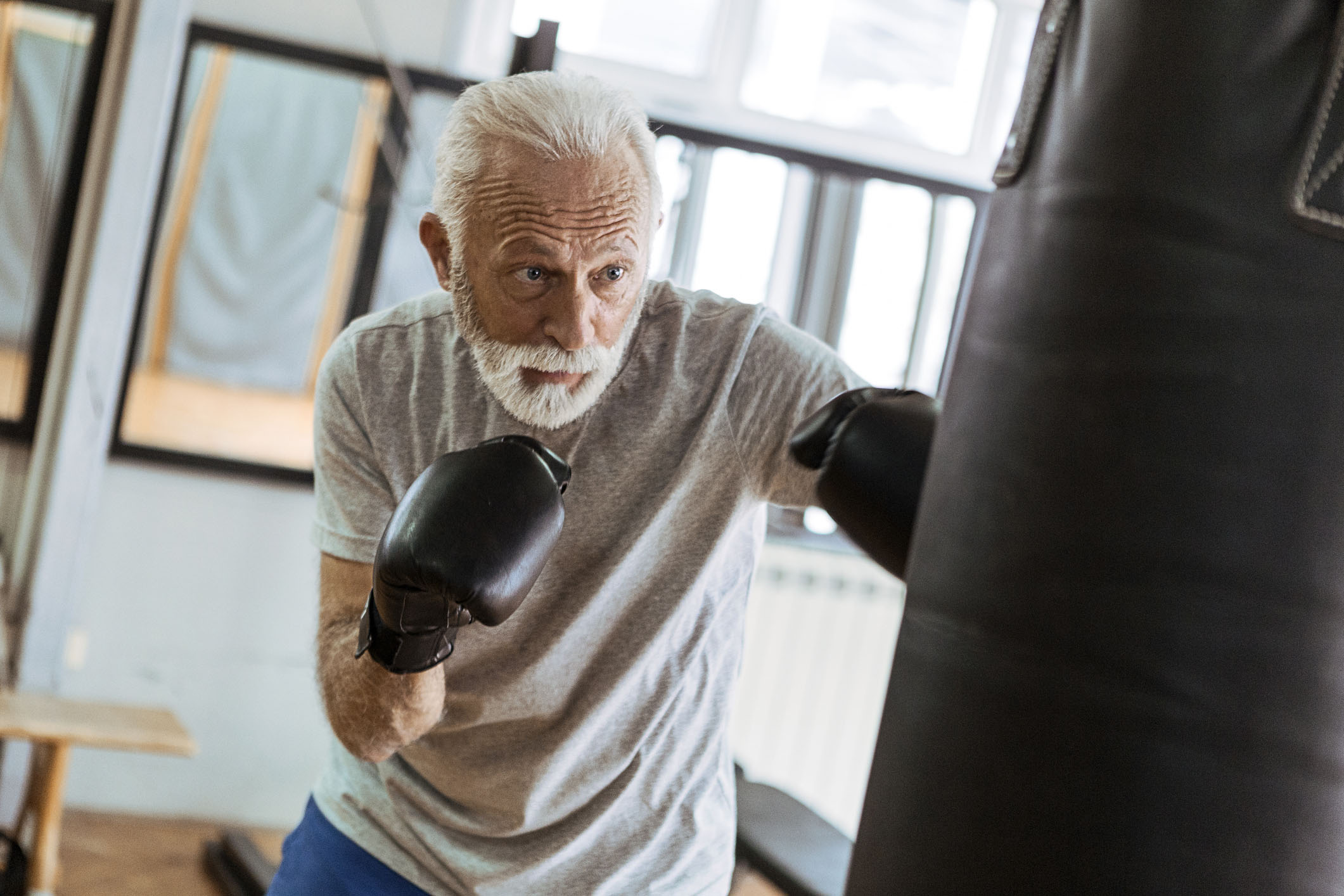
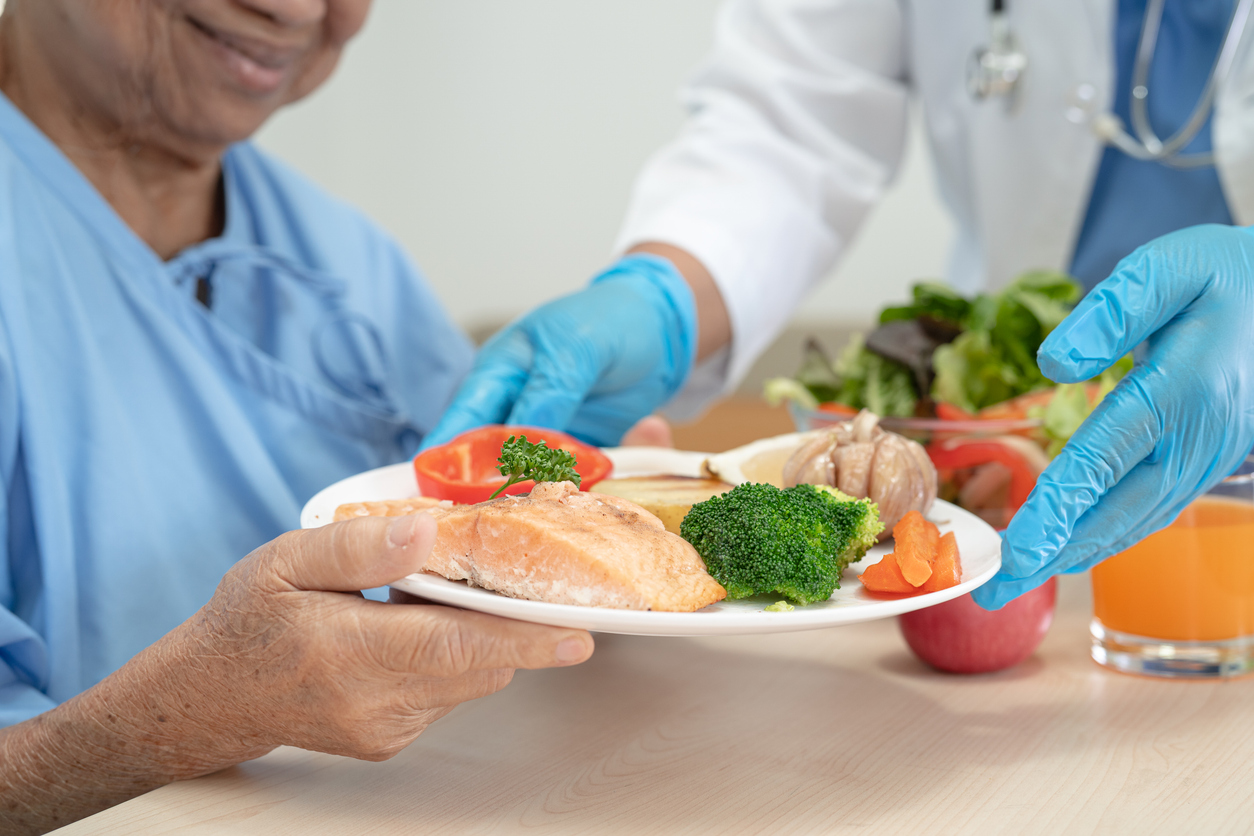
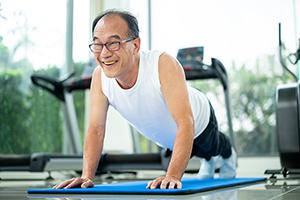
So here is more evidence of the benefits of consistent exercise (particularly resistance training) coupled with a protein-rich diet. Doing both will keep you vital and strong throughout your life.
To your health!
Martinez JA, Wertheim BC, Thomson CA et al. Physical activity modifies the association between dietary protein and lean mass of postmenopausal women. J Acad Nutr and Dietetics. 2017; 117: 192-203.
Email your questions to questions@drhoffman.net