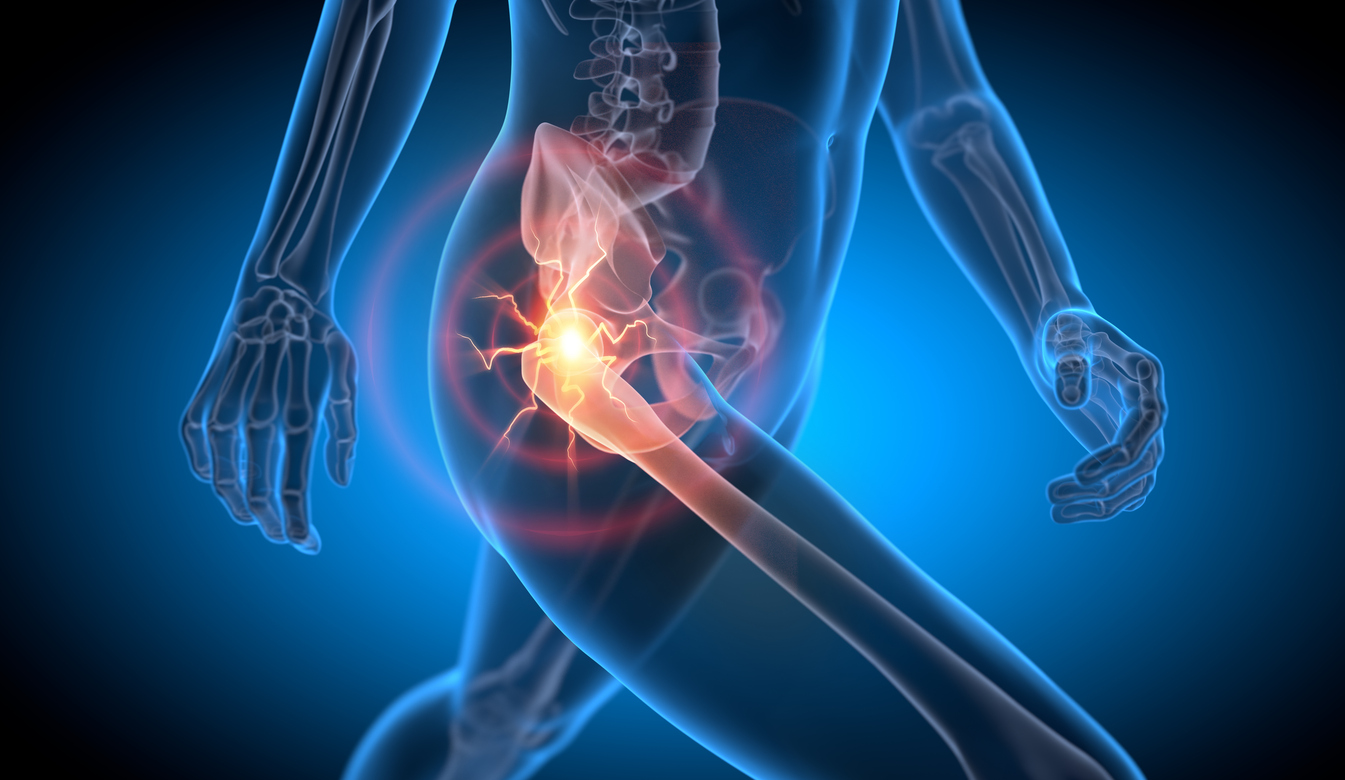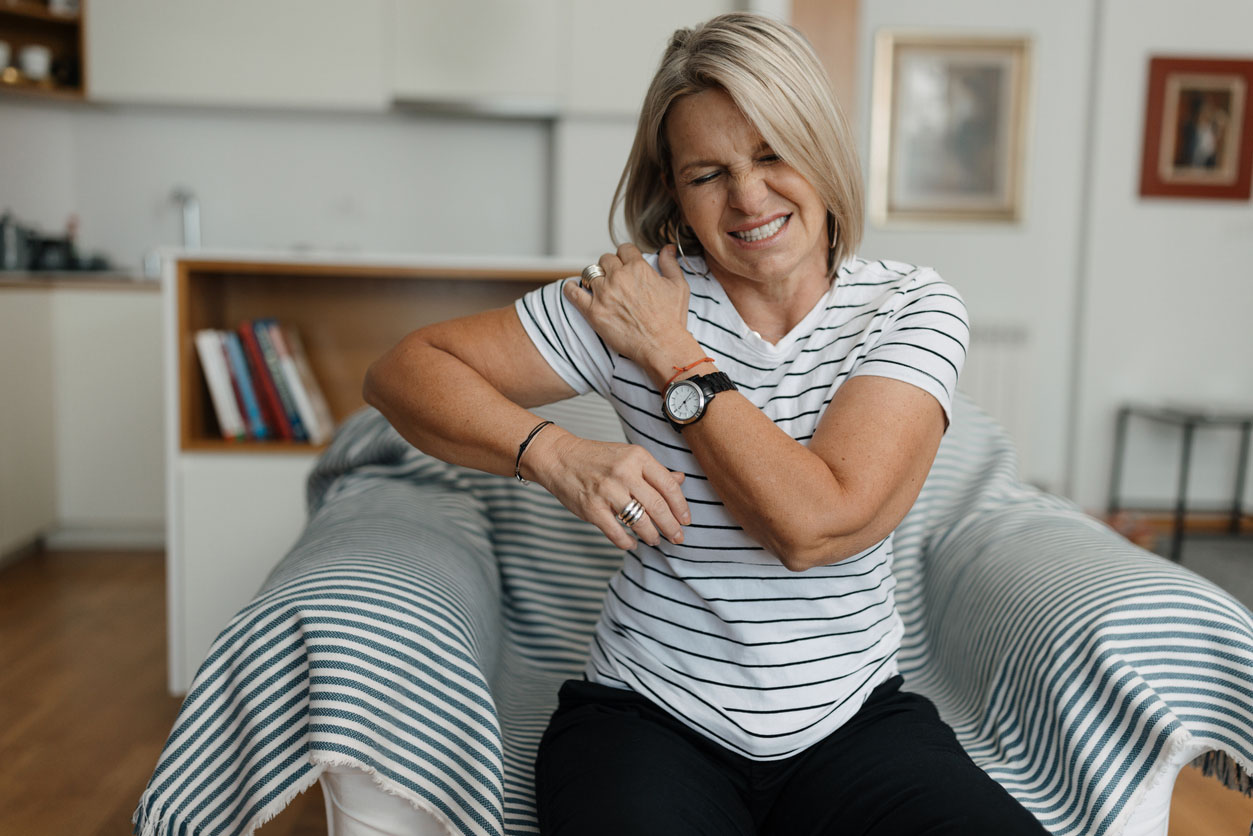
Many women in perimenopause complain of musculoskeletal discomfort including joint pain, muscle aches, and tendon-related symptoms like tendinopathies. Stiffness and diminished range of motion make it hard to get dressed, reach around your back, or carry groceries without discomfort.
Lately, this musculoskeletal syndrome during the transition to menopause is receiving attention through an integrative and functional medicine/nutrition lens. While physical therapy is helpful, sometimes it doesn’t bring about a full resolution of symptoms, or symptoms return after a short period of time. This framework focuses on a broader physiologic transition with an eye on possible metabolic dysfunction that contributes to symptoms and their lack of resolution despite compliance with therapeutic tissue rehabilitation such as physical therapy. That particular metabolic abnormality is insulin resistance.
In perimenopause, progressively decreasing estrogen levels ensuing in hormone variability can alter insulin receptor signaling and glucose homeostasis which increases metabolic issues like accumulation of belly fat. The impact is reduced skeletal muscle glucose uptake, causing impaired glucose regulation. All this may influence recovery from aches and pains. In type 2 diabetes, for example, metabolic and inflammatory changes combined with menopausal connective tissue changes may limit rehabilitation response or contribute to ongoing symptom persistence.
The musculoskeletal manifestations of insulin resistance include persistent joint pain, increased prevalence of tendinopathy, functional movement limitations, and a variable response to tissue rehabilitation. This framework points to the importance of an integrative approach in assessing the role of metabolic abnormalities like insulin resistance in the treatment of bodily aches and pains during the perimenopausal transition to menopause.
So take heed. It may not be perimenopause that’s to blame for bodily aches and pains; the root cause may be too many carbs leading to insulin resistance.
To your health!
Leyla Muedin, MS, RD, CDN