They’re the Holy Grail of BigPharma—weight loss drugs that really work. For my entire professional career, drug developers have been on a quest to develop drugs that peel away the pounds, only to founder: “Diet pills” laced with amphetamines caused untold harms; millions abused thyroid meds in a vain effort to “speed their metabolism”; Fen-phen crashed and burned after it was found to cause serious cardiovascular problems; Sibutramine (marketed as Meridia) was withdrawn after heart attacks spiked; and Rimonabant, an endocannabinoid blocker, killed appetite but also mood, heightening the risk of depression and suicide.
There was always the option of bariatric surgery, but the side effects were daunting, and some patients managed to circumvent the appetite-limiting effects of stomach-shrinking, regaining much of their initial weight.
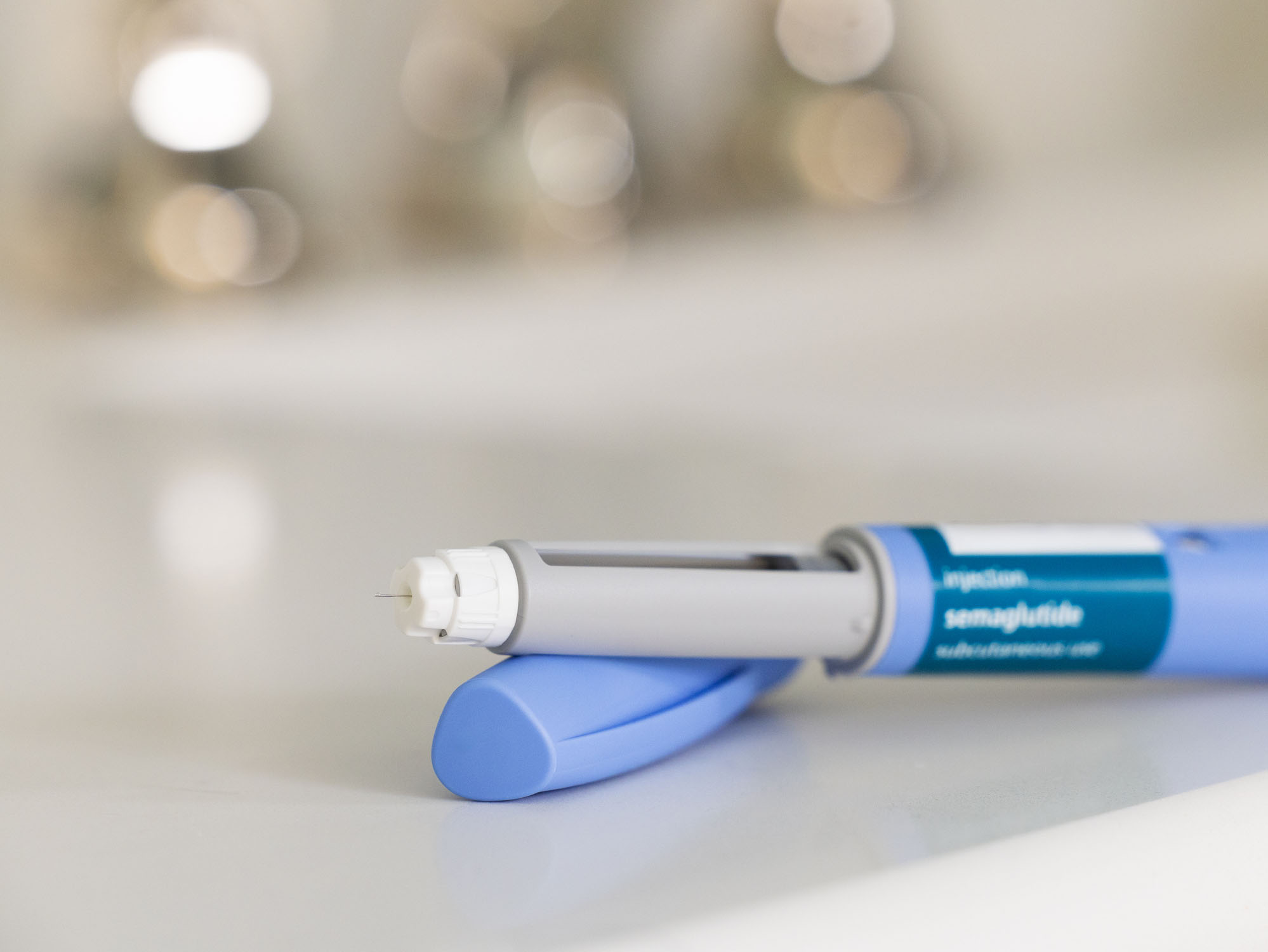
Then, in a now-legendary discovery, scientists harnessed the chemical messenger that enabled Gila monsters to withstand long periods of caloric deprivation—and voila!—a generation of revolutionary weight loss drugs was spawned.
Each succeeding iteration surpassed their predecessors in effectiveness: Mounjaro trumped Ozempic, and now Eli Lilly just published trial results showing subjects on the highest dose of their investigational triple-action drug rituratide lost an average of 24% of their body weight over 48 weeks!
More options are on the way, including stronger oral formulations that obviate the need for weekly injections.
It’s estimated that 12% of American adults have tried weight loss drugs; 6% of them continue to take them. Despite their popularity, it’s estimated that 50-75% of people quit weight loss drugs within a year of initiating them. The reasons are four-fold:
- Cost: Even with more aggressive competitive pricing, popular drugs may cost users hundreds of dollars per month.
- Side Effects: Many users can’t tolerate the chronic low-grade nausea, and other GI symptoms ranging from constipation to diarrhea, that these drugs routinely cause. Other side effects, like thyroid problems, gallstones, or pancreatitis, and even a rare form of blindness, are far less common, but often necessitate discontinuation.
Clinical trials have under-reported side effects, but a recent AI-driven survey of social media complaints about weight loss drugs uncovered frequent posts about menstrual abnormalities, fatigue, and cold sensitivity. About 13% of users detailed symptoms like anxiety, insomnia, or depression. Admittedly less rigorous than a controlled study, the survey reveals an undercurrent of problematic reactions to these drugs. - Boredom: Let’s face it—eating is one of the few gratifying outlets remaining to most people. Some may prefer restoration of a hearty appetite for yummy meals preferable to long-term dietary rectitude.
- Disappointment: And then there’s the simple fact that, for a distinct minority of overweight people, these drugs don’t work. There appears to be a genetic basis for resistance to their satiating effects.
Hidden downsides of weight loss drugs
To me, the biggest knock against the new cohort of weight loss drugs is that they produce significant loss of muscle as well as fat. Hence, users may trade overweight for more rapid progression toward weakness and frailty. Indeed, cumulative muscle loss is already a consequence of aging—a trajectory called sarcopenia.
Additionally, weight loss via pharmaceutical intervention is overwhelmingly unsustainable; this may be more of a feature than a bug, because drug companies are banking on a sinecure of lifetime users unable to wean off once their weight loss goals are attained.
The reason is that drugs deliver synthetic appetite-suppressing chemical messengers like GLP-1, GIP, and glucagon agonists at levels astronomically higher than normally produced by the body. When they’re withdrawn, the receptors that they’ve hyper-stimulated are blunted, and the body’s own satiety-inducing signaling system is not up to task of replicating the artificial amplification. The result is that appetite returns with a vengeance. Rebound weight gain after cessation of these medications is by some estimates 3-4 times faster than after ordinary dieting. It’s the Biggest Loser boomerang syndrome—but on steroids!
A rarely enunciated problem with these drugs is a consequence of their widespread and easy accessibility. By conservative estimates, approximately 9% to 13% of the U.S. population (about 28.8 to 31 million Americans) will experience an eating disorder in their lifetime; the prevalence is particularly high among teenage girls. It’s amplified by unrealistic body images touted by ubiquitous social media.
The potential is there for people to overdo it, and harness drugs to pursue an unattainably thin body goal. We’re already seeing evidence of previously healthy Hollywood stars who’ve dieted to sticklike proportions—presumably with ample help from pharmaceuticals.
The other concern is the X-Factor—the possibility of long-term unanticipated side effects. The regulatory landscape is littered with recalled drugs that passed safety checks in initial short-term, small-scale approval trials, but foundered years after when danger signals emerged only after millions unwittingly took the medications. We must acknowledge that our experience with these weight loss drugs is limited, and tens of millions of people may be exposed to their unforeseen effects for decades. What could possibly go wrong?
Sure, losing lots of weight lowers risk factors for killers like cardiovascular disease and certain cancers, but will it ultimately extend—or curtail—lifespan?
Not that I’m against them . . .
I’m not one to begrudge people the use of these revolutionary medications. As a decades-long practitioner of medical nutrition, I’m well aware of the limits of personal discipline. Many users of novel weight loss drugs are relieved to be unencumbered of the incessant “food noise” that once undermined their restraint and prompted relapses after successful weight loss.
I’ve always been a proponent of vigorous exercise and careful food selection, the less spectacular but more physiologic path towards weight optimization. I’ve reassured countless patients over the years that metabolic health—at any weight—is the goal of healthy lifestyle. But despite improving their health, and having overcome hypertension and diabetes, many have felt stuck, burdened with excess pounds. I get it. The weight loss drugs offer a solution.
No free ride
But here’s what I suggest: The new medications should only be made available as part of a strict compact between doctor and patient. By that I mean, patients should be prescribed these drugs only conditional upon agreeing to a comprehensive lifestyle reboot. Taking a medication that slashes appetite is a teachable moment not to be wasted. Free of inordinate cravings, it’s an opportunity to restore healthy habits.
Making the most of weight loss drugs
When food intake is dramatically curtailed, it’s vital to make the most of one’s limited appetite to consume nutritious foods to forestall deficiencies. Protein is especially important to help fend off cannibalizing the body’s muscle reserves.
People on diet drugs need to prioritize protein sources and consider adding supplemental protein in the form of healthy shakes. Aim for at least 0.8 grams of protein per pound of ideal body weight (see IBW calculator here). For example, I’m 5’10, and even if I weighed 220, my ideal body weight is 165, thus requiring around 130 grams of protein to stave off fat loss in the face of severe caloric restriction.
Two scoops of whey protein powder could provide 40 grams; three large eggs another 20, and an eight-ounce serving of meat, fish or poultry another 60 grams—we’re almost there!
But for muscle maintenance, even more important than dietary protein is resistance exercise. Most of us may walk, golf, play tennis or pickle ball, swim or cycle a little. But using weights, bands, universals or even your body’s own weight in simple floor exercises or wall squats can produce an anabolic effect on muscle. How many new users of GLP-1 drugs are being introduced to the benefits of strength training?
Patients taking weight loss drugs should also be counseled about the importance of hydration; you should aim for 64 to 100 ounces (2 to 3 liters) of water daily. This is higher than normal because GLP-1 medications slow your digestion and suppress your natural thirst cues, putting you at a much higher risk for dehydration and kidney stress.
Make it compulsory!
I propose that an interdisciplinary approach be used in prescribing and monitoring weight loss drugs. It should be compulsory. An experienced health provider can offer the Rx and monitor for side effects, but should work together with a medical nutritionist and a personal trainer to offer a comprehensive, tailored program for each participant. A mental health professional, versed in cognitive behavioral therapy and motivational dynamics, would be a great add-on to the team of change agents.
But with the current ubiquity of easy dispensing options, can we ever put the genie back in the bottle?
Supplements
Supplements can’t promise to effortlessly melt away the pounds, but they’re an important accompaniment to GLP-1 drugs.
- There’s the aforementioned whey protein; my favorite is Thorne Whey Protein Isolate, in Vanilla or Chocolate flavors. See my post-workout shake recipe for how to boost its nutritional payload.
- I would especially add creatine monohydrate, 5-10 grams per day, because of its potential for fending off muscle wasting.
- Because of limited food intake, it’s important to consider a multi-vitamin/mineral as nutritional insurance. I recommend Alpha Base from Ortho Molecular.
- Eating less means fewer opportunities to obtain essential fatty acids; my choice these days is Omega-3 Rejuvenate from Big Bold Health
- Diet restriction may cause unfavorable alterations in the microbiome, compounding the GI side effects of weight loss drugs. Hence, I recommend a probiotic (which also delivers pre- and post-biotics), Dr. Ohhira’s Essential Formula.
- To address off-ramping from GLP-1 medications, when rebound weight gain looms, I recommend Calocurb, a concentrate of New Zealand hops. I’m impressed with the rigor of their research, which shows this bitter extract stimulates endogenous production of satiety hormones.
Another use case for Calocurb might be to team it with a prescription weight loss drug to improve tolerability by leveraging their synergy to step down dosing.
The same goes for yerba mate, which is said to have weak GLP-1 activity; so, too, does EGCG, an ingredient in green tea.
Share your experiences with weight loss drugs—pro or con—by emailing to questions@drhoffman.com, and we’ll air them on an upcoming podcast.