“Poor Protoplasm” is a term I first heard when I was in medical school. At the time I was fascinated by nutrition, but I wasn’t yet sure of what medical specialty to choose to apply the principles of nutrition in daily practice.
 Internal medicine, which deals with diseases of adults, seemed like a logical choice, but when I asked questions about nutrition during rounds on my internal medicine rotation, I sometimes got a chilly reception. It seems that my mentors, senior attending physicians, were more interested in talking about the latest drugs.
To my surprise, it was during my surgical rotation that nutrition got a lot of attention. The logic went something like this: Why bother doing intricate surgery on a patient when that patient’s poor underlying health status would undermine success? Why not bolster that patient’s immunity, often compromised by a surgical condition that caused poor appetite and/or malabsorption, with supportive nutrients? Build the patient up, both before and after surgery, with oral and intravenous supplementation.
From time to time, I’d overhear my surgical instructors discuss a patient. True to the stereotype of the “surgical personality,” their language was frank:
“Yeah, Mr. Jones is circling the drain. His vitals are tanking. Can’t get his electrolytes to line up. I think he’s turning septic. We did all we could in the OR, dotted our I’s and crossed our T’s, but we just can’t help it—this guy’s got piss-poor protoplasm!”
“Protoplasm” is the very substance of life, the stuff that makes up our cells and tissues. The object of all healing is to encourage the protoplasm to rally and recover from disease. Responsive protoplasm is amenable to surgical or medical intervention. Poor protoplasm is like substandard building material—it resists efforts to purposefully mold and shape it.
Like pornography, there’s no formal definition for poor protoplasm, but doctors “know it when they see it.” It is characterized by signs of poor circulation, excess body fat, poor musculature, sagging and fragile skin, prematurely aged appearance, generalized weakness, faulty resistance to infection, poor wound healing, exercise intolerance and a lack of what the French call “force vitale” (vital force).
Genetics and aging have a lot to do with poor protoplasm, but controllable diet and lifestyle variables play the major role:
• Do you exercise or are you sedentary?
• Are your hormones optimal?
• Do you suffer from toxicity due to environmental exposures or chemical-laden foods?
• Do you smoke or drink to excess?
• Are you exposed to unremitting stress and are your coping skills suboptimal?
• Do you have adequate sleep and relaxation?
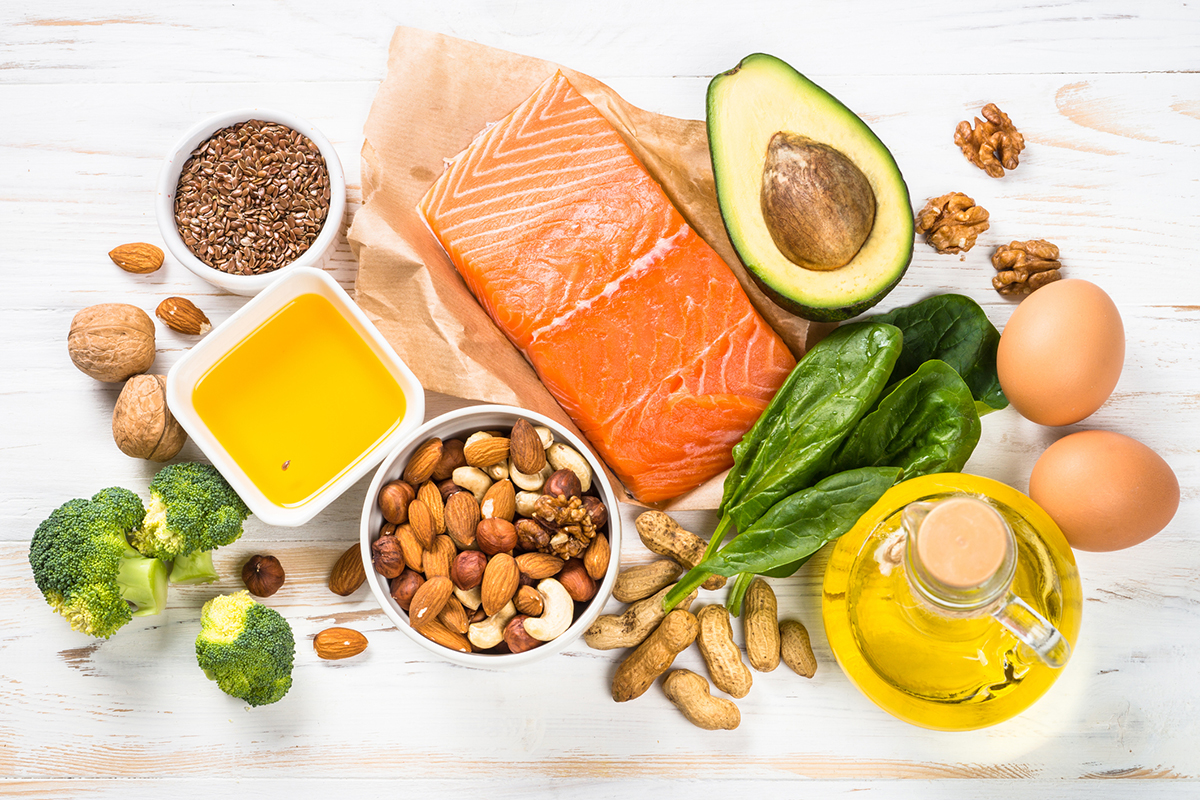
• Is your diet calorie-rich and nutrient-poor?
• Are you over- or underweight?
• Do you depend on a “witches brew” of medications to simply function?
Individual nutrients can play a crucial role. For example, surgical recovery was recently found to be hampered in patients with suboptimal vitamin D.
Surgeons are right to promote nutritional support to better the success rate of operations. Here’s my take on Supplements for Surgery.
I encourage patients at the Hoffman Center to take advantage of our Pre-and Post-Surgery IVs if elective surgery is scheduled. The speed of their recoveries sometimes astonishes the surgeons.
Do you suffer from poor protoplasm? If and when the time comes, will you be an instance of “the operation was a success, but the patient died”?
Even if it’s not a question of surgery, will poor protoplasm render you more susceptible to illness?
Ultimately, I decided to pursue medical training in Internal Medicine, but the lessons I learned during my surgical rotations about the primacy of nutrition in averting poor protoplasm have stuck with me throughout my medical career.