At 45, weighing 158 pounds, I switched off from almost daily running and joined a gym to catch up on my resistance training. I started lifting weights and went from a quasi- vegan diet to mealtimes replete with protein from eggs, meat, and fish. I cut back a bit on my demanding work schedule and allowed more time for restorative sleep.
The results were astounding: Within 18 months, my weight had soared to 175; I was worried that my 40 Regular suits and sports jackets wouldn’t fit me anymore. And I was routinely bench-pressing my body weight and more.
Today, at 73, I’m fit, at 168 pounds, but less strong, unable to sustain the muscle mass that peaked at middle age. I’m bowing to the inevitable: A thing called anabolic resistance.
It’s defined as “the diminished ability of muscle to respond to anabolic, or muscle-building, stimuli like protein and exercise.”
Anabolic resistance is the main contributor to sarcopenia, the progressive loss of muscle mass that accompanies aging. It’s a major contributor to frailty, which hikes the risk of falls and illness susceptibility.
It’s no secret that as humans age, they start to resemble Mr. Potato Head—with protuberant abdomens, and stick-like arms and legs. They gain abdominal fat and lose muscle volume in their extremities.
But there’s more to muscle than bulging biceps and buns of steel, or feats of strength and endurance.
Muscle is coming to be recognized as an endocrine organ—like the thyroid, the pancreas, the adrenals, testes, and ovaries. It secretes myokines which communicate to the liver, pancreas and adipose tissue to combat metabolic syndrome, as well as providing resilience factors like BDNF (brain-derived neurotrophic factor) for the brain. The less muscle you have, the less of these anti-aging humors are produced, and a vicious cycle ensues.
Old muscle isn’t just punier, it looks different: It becomes infiltrated with fat, marbled like corn-fed steak. It is both quantitatively and qualitatively diminished.
Hence, it’s essential that younger individuals bank against decline by building a “savings account” of reserve muscle tissue, and that older individuals strive to buck the tide of progressive sarcopenia.
Anabolic resistance means seniors need to work harder to preserve muscle, much less log increases. “No pain, no gain” doesn’t seem to yield dividends anymore.
Other factors besides age conspire to increase anabolic resistance:
- Inflammation: As the body becomes progressively more inflamed due to autoimmunity, excess fat accumulation, infections, or “inflamm-aging”, muscle responsiveness declines.
- Inactivity: Loss of motivation, deconditioning, arthritis and/or injuries undermine consistent resistance exercise that preserves muscle volume and quality.
- Hormones: Age-related declines in anabolic hormones like testosterone, DHEA, estrogen, and growth hormone deprive muscle receptors of crucial growth stimuli.
- Drugs: Certain drugs are catabolic, especially steroids like prednisone; even topical and inhaled steroids, taken over time, may have this effect. So, too, are certain HIV drugs. But the main culprits these days are the new crop of GLP-1 weight loss drugs; rapid weight loss depletes both fat and muscle tissue. Excess alcohol, too, is catabolic to muscle.
- Illness or Surgery: Each setback adds to the stepwise progression of anabolic resistance. In advanced cancers, signaling molecules called cytokines shrink muscles, resulting in a wasting syndrome called cancer cachexia; a hip fracture can catastrophically sap the body’s lean mass; Alzheimer’s engenders hypermetabolism, which consumes muscle reserves.
- Obesity: Paradoxically, as the body gets bigger, the muscle compartment shrinks because adipose tissue promotes catabolic inflammation.
- Undernutrition: Lack of critical nutrients, especially of bio-available protein, undermines muscle health; age-related alterations in taste, appetite, and digestion compromise intake.
- Sleep: Inadequacy can hasten sarcopenia by interfering with hormones and the muscle repair that’s accentuated during sleep.
- Depression: Depression and sarcopenia are closely linked in a bidirectional relationship; depression generates high levels of cortisol, which is catabolic. Moreover, mood alterations undermine the motivation to exercise and eat well. In turn, a recent study concluded that “Sarcopenia may adversely affect mental function through metabolic and endocrine mechanisms,” perpetuating a vicious cycle of psychological and physical decline.
What to do to counteract anabolic resistance?
- Resistance exercise: How much? To stave off sarcopenia, it is recommended to perform resistance exercise two to three times per week, with at least one day between active days to allow recovery. Resistance exercise can be accomplished with free weights, machines, resistance bands, or via floor exercises that engage all major muscle groups. Three sets of 6-12 reps per muscle group are ideal, with rest intervals of 30 seconds between sets. To continue building strength, gradually increase the weight or resistance to make it challenging, while avoiding injury.
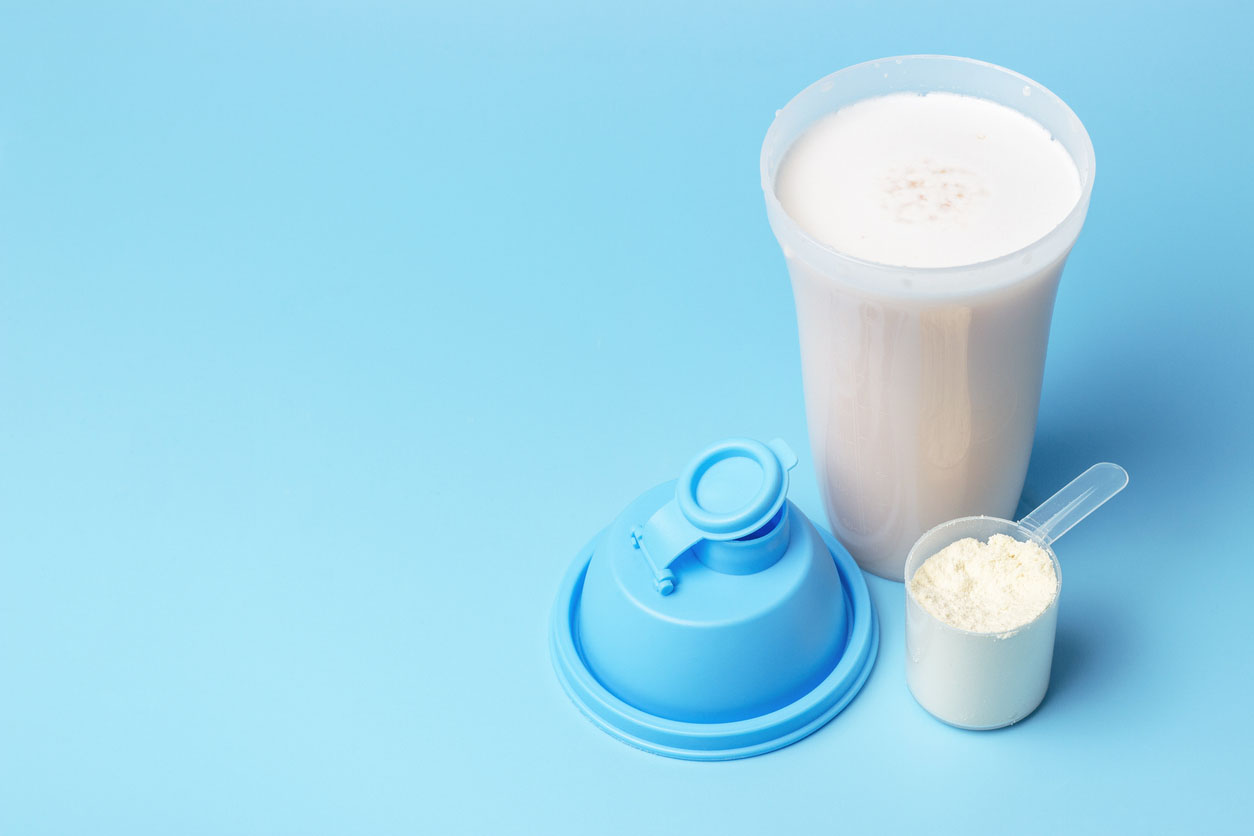
- Protein: Current paltry recommended daily allowances for protein intake are based on obsolete research aimed at staving off “negative nitrogen balance”. For optimal performance—not mere survival—we need more. Updated studies suggest that older adults benefit from additional protein to stave off sarcopenia, especially when teamed with resistance exercise (extra protein in sedentary seniors doesn’t do much). Aim for daily intake of at least 0.5-0.75 grams of protein for each pound of adjusted body weight (use this calculator to determine your ABW). Protein from vegetable sources offers a more limited spectrum of essential amino acids supportive of muscle maintenance; meat, poultry, fish, eggs, and dairy (especially whey protein) deliver more branched chain amino acids, the building blocks of muscle. Timing matters: Post-exercise consumption of protein repletes muscles most effectively. While some controversy remains, it’s contended by many experts that protein should be consumed in distributed amounts across mealtimes, so as not to exceed the body’s threshold for protein uptake in one big shot.
- Avoid diabetes: Elevated blood sugar is linked to anabolic resistance; when insulin works less well (as in Type 2 diabetes) or is insufficient (Type 1 diabetes) muscle protein synthesis is impaired.
- Creatine: When combined with resistance training creatine has been shown to help stave off sarcopenia. It does so by facilitating the production of ATP, the body’s energy currency; creatine may also have anti-catabolic properties, slowing the breakdown of muscle tissue. Aim for five to ten grams of creatine monohydrate per day.
- Antioxidants: Vitamins C and E in particular have additive benefits in sarcopenia patients. A recent study found they improved muscle mass and grip strength in older women while undergoing resistance training.
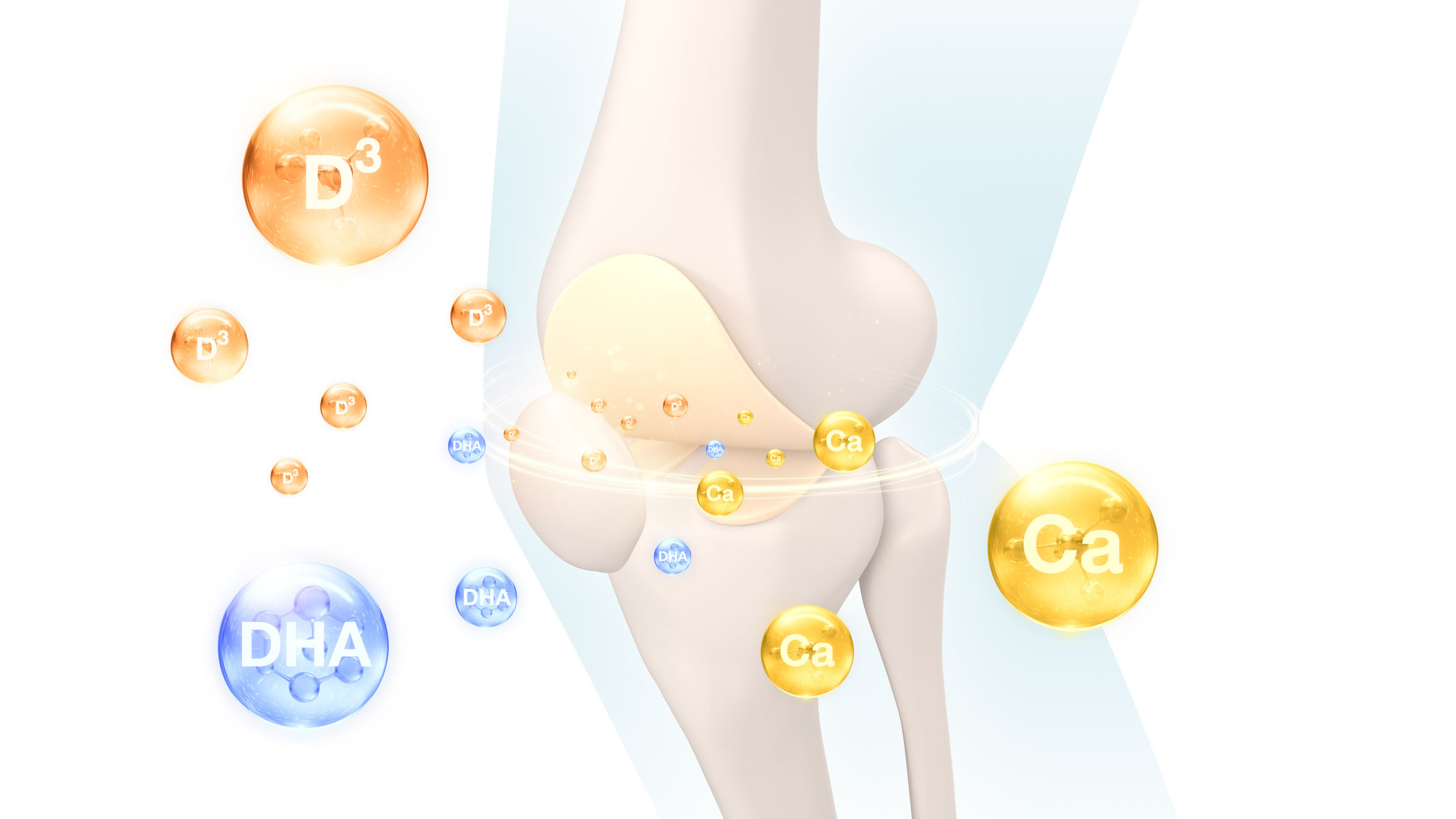
- Omega–3s: Probably in part due to their anti-inflammatory effects, fish oil supplements have been shown to stave off anabolic resistance.
- Leucine: A branch-chain amino acid that’s a major constituent of muscle, supplemental leucine has been shown to augment muscle metabolism—but only as an accompaniment to resistance training. Whey protein is known for its high leucine content compared to other protein sources, which is why it is very effective for stimulating muscle protein synthesis.
- Bio–identical hormone replacement: Prescription estrogen for women, and testosterone and DHEA for both sexes, combine to restore muscle anabolic responsiveness. So, too, to an even more dramatic degree, does growth hormone (GH), but questions remain over the safety of long-term GH administration. It may be that a new crop of anabolic peptides will deliver comparable results with fewer downsides; research is also underway on myostatin inhibitors that unleash muscles’ potential for growth and regeneration.
- Sleep: Nightly sleep is the body’s rest and repair phase; It’s also when natural growth hormone production peaks. A 2021 study found that “A single night of total sleep deprivation is sufficient to induce anabolic resistance and a pro-catabolic environment.”
While an Adonis-like physique becomes more elusive with age due to the inevitable progression of anabolic resistance, it behooves middle-aged and senior adults to rage against it, utilizing all the tools at their disposal. Your healthspan and lifespan may depend on it.