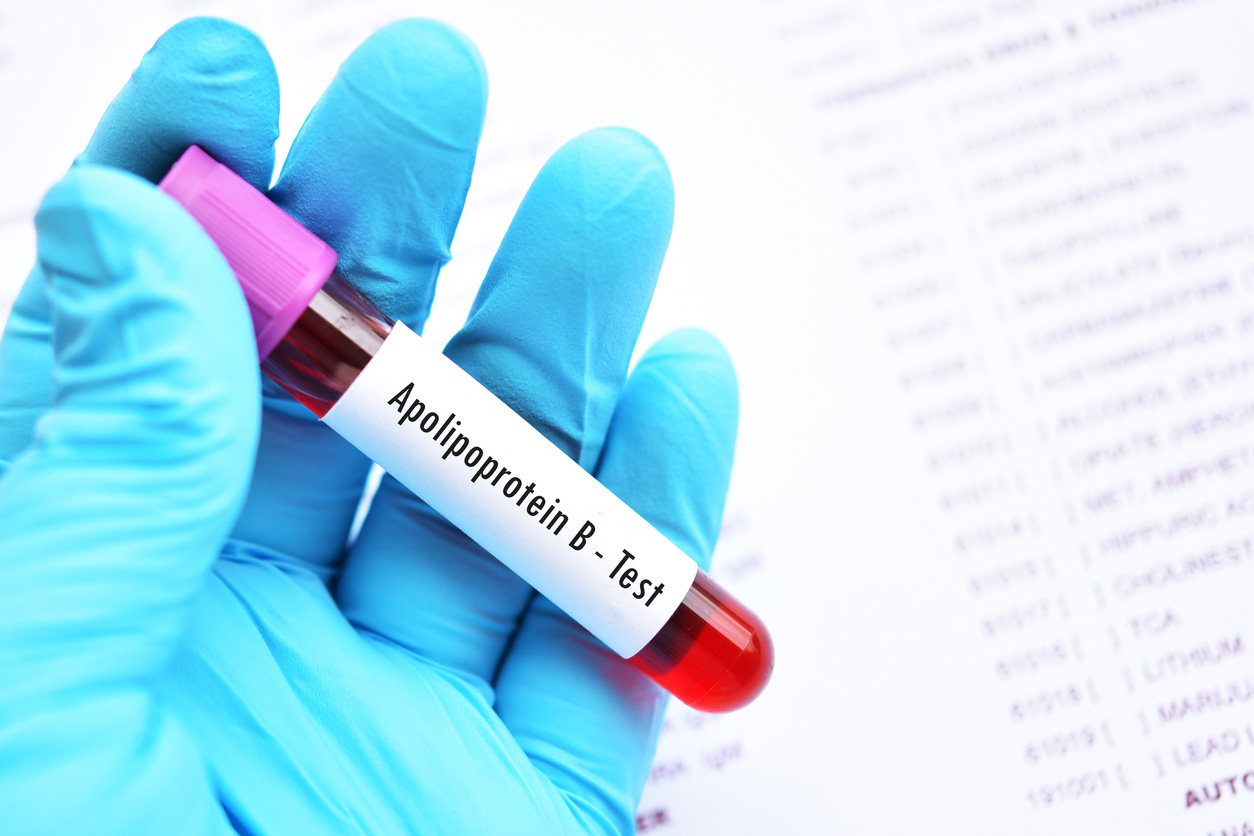
Q: I recently had an ApoB test done and was surprised at the results. It was an 89 and the range said it should be under 90. I have a total cholesterol that’s a little high at 234, but my HDL is 87. My Lipoprotein (a) was <9 and I have a 0 calcium score. Should I be concerned my ApoB was not lower?
A: As a component of other lipoproteins like LDL, VLDL and IDL, Apolipoprotein B is used as an indicator of heart disease risk and often included with a regular lipid profile. Some suggest that Apo B is a better indicator for risk of cardiovascular disease than cholesterol alone.
Your Apo B is 89 due to presence of other lipoproteins mentioned above. However, you have a calcium score of 0, low lipoprotein (a) and a high HDL at 87. No doubt, these numbers are desirable.
Given the chronic attention given to lipid profiles by the medical establishment and ensuing worry of many Americans about their risk factors for heart disease, we need to remember that cholesterol is a necessary substance in our bodies. It’s a part of all our cell membranes—the phospholipid membrane.
As much as 80 percent of cholesterol is produced by the liver. The other 20 percent is obtained from diet. It is classified as a structural antioxidant and a critical component of cell membranes, helping cells to maintain their proper shape. It is necessary for brain function and hormone balance. Indeed, cholesterol is the substance from which our sex hormones are synthesized. So, if cholesterol is very low, so is DHEA, testosterone—and possibly libido. It’s not surprising that low libido is a common complaint of individuals put on statin therapy for primary prevention of coronary artery disease.
The human brain is 40 to 60 percent cholesterol. Memory loss and dementia is a common long-term side effect of statin use.
A substance called 7-dehydrocholesterol under the skin reacts with UVB rays from the sun to synthesize vitamin D. That substance begins to diminish after age sixty, therefore taking vitamin D supplements is appropriate year round.
Infants need cholesterol for proper brain development. Large amounts are supplied in human milk (which is approximately 55 percent fat). As a matter of fact, the mammary gland secretes certain enzymes to insure absorption of cholesterol by the infant.
Cholesterol synthesis operates on a negative feedback loop: The more dietary cholesterol consumed, the less synthesized by the liver. When on a low-fat, low-cholesterol diet, the liver churns out more cholesterol—because the body needs it!
To your health!
Leyla Muedin, MS, RD, CDN