A few years ago I saw a movie from 1980 starring the late Dom DeLuise called “Fatso.” My eyes widened when I realized that his “Fatso” character resembled most of the people I saw every day on the subway and in the streets of New York, not a minority.
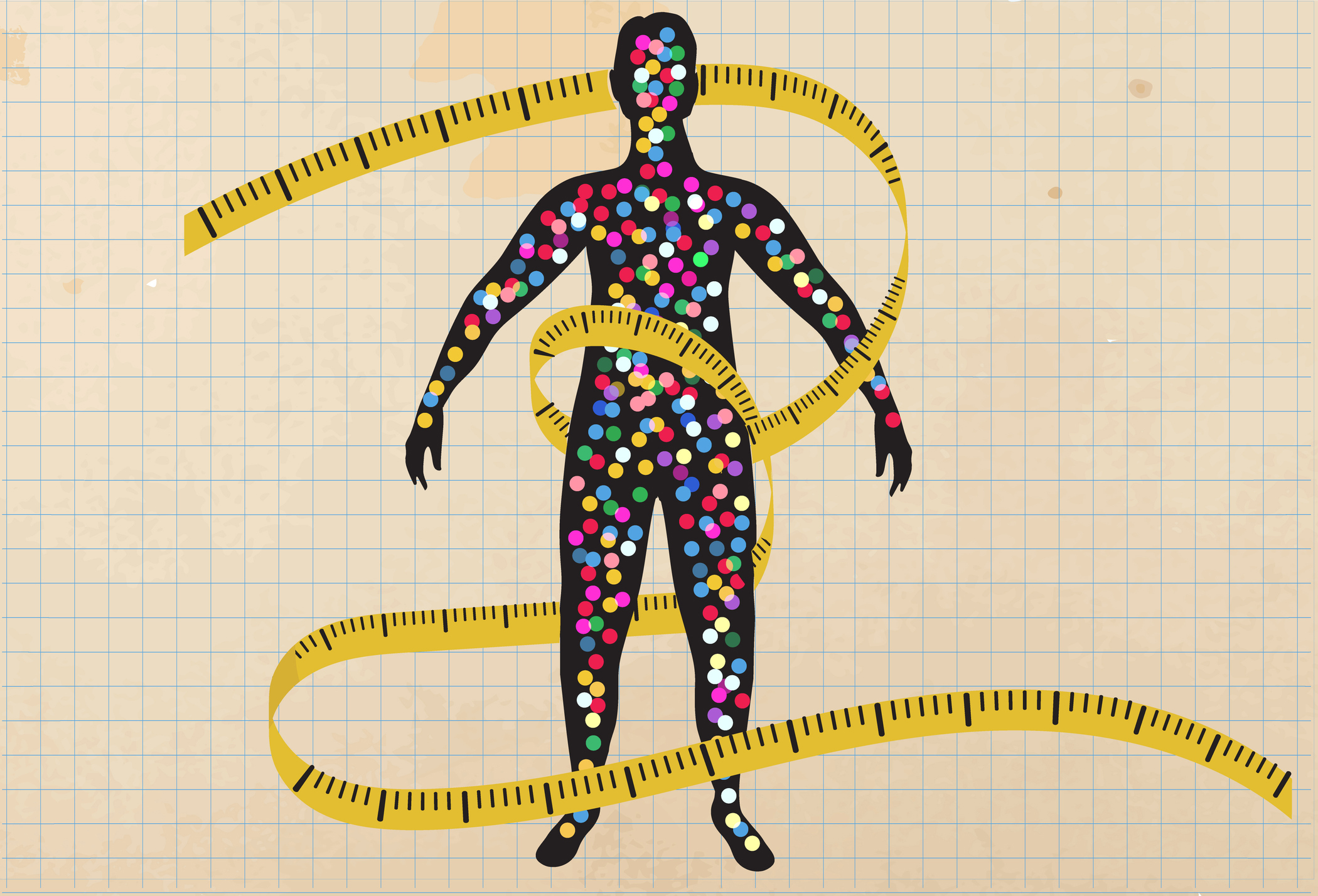
Wow! If this were 1980 instead of 2015, the majority of Americans would actually be called fat. Yes, they are overweight or even obese, but because it’s become so prevalent, we are unconsciously socialized to see it as the new normal.
 But indeed, it’s not normal. The following excerpt from Heart Disease and Lifestyle: Why are Doctors in Denial? by Dr. John Mandrola on Medscape makes some interesting observations and assertions:
“I think and write a lot about the role of lifestyle choices as a treatment strategy. As an endurance athlete, I know that exercise, diet, sleep, and finding balance in life are the key components of success. It is the same in cardiology.”
“And this is our problem. I believe the collective denial of lifestyle disease is the reason cardiology is in an innovation rut. This denial is not active or overt. It is indolent and apathetic. Bulging waistlines, thick necks, sagging muscles, and waddling gaits have begun to look like normal. During the electronic medical record (EMR) click-fest after seeing a patient, I rarely click on ‘normal’ physical exam. The general appearance is abnormal—either overweight or obese.”
“Our tricks (in cardiology) can no longer overcome eating too much and moving too little. We approach health but never get there. If you waddle, snore at night, and cannot see your toes while standing, how much will a statin or ACE inhibitor…help?”
Dr. Mandrola laments that drawing attention to the specialty of cardiology in the media and even social media requires something unique or sensational, not boring old lifestyle topics:
“I write a post about new oral anticoagulant drugs or statins or AF ablation, and people pay attention. You see it in the traffic. It’s the same story at medical meetings: sessions on drugs and procedures draw the crowds. Late-breaking studies rarely involve the role of exercise or eating well. Exercise, diet, and going to bed on time have no corporate backing. The task of drawing attention to the basics is getting harder, not easier.”
And here’s my favorite:
“In a randomized controlled trial of primary prevention, no cardiologist would want to be compared against a good physical trainer or nutritionist. We would get trounced. Our calcium scores, biomarkers, pills, and procedures would not stand a chance. The study would be terminated early due to obvious superiority of lifestyle coaching over doctoring…”
Enough said? I think so!
To your health!