A recent study suggests that obese people with metabolic syndrome face an unexpected quandary when it comes to vitamin E.
They need more than normal levels of the vitamin because their weight and other problems are causing increased oxidativestress, but those same problems actually cause their effective use of vitamin E to be reduced.
As a result, experts in the Linus Pauling Institute at Oregon State University say that a huge number of Americans may be chronically deficient in vitamin E, which could compound the wide range of diseases known to be associated with metabolic syndrome, including heart disease, diabetes, Alzheimer’s disease and cancer.
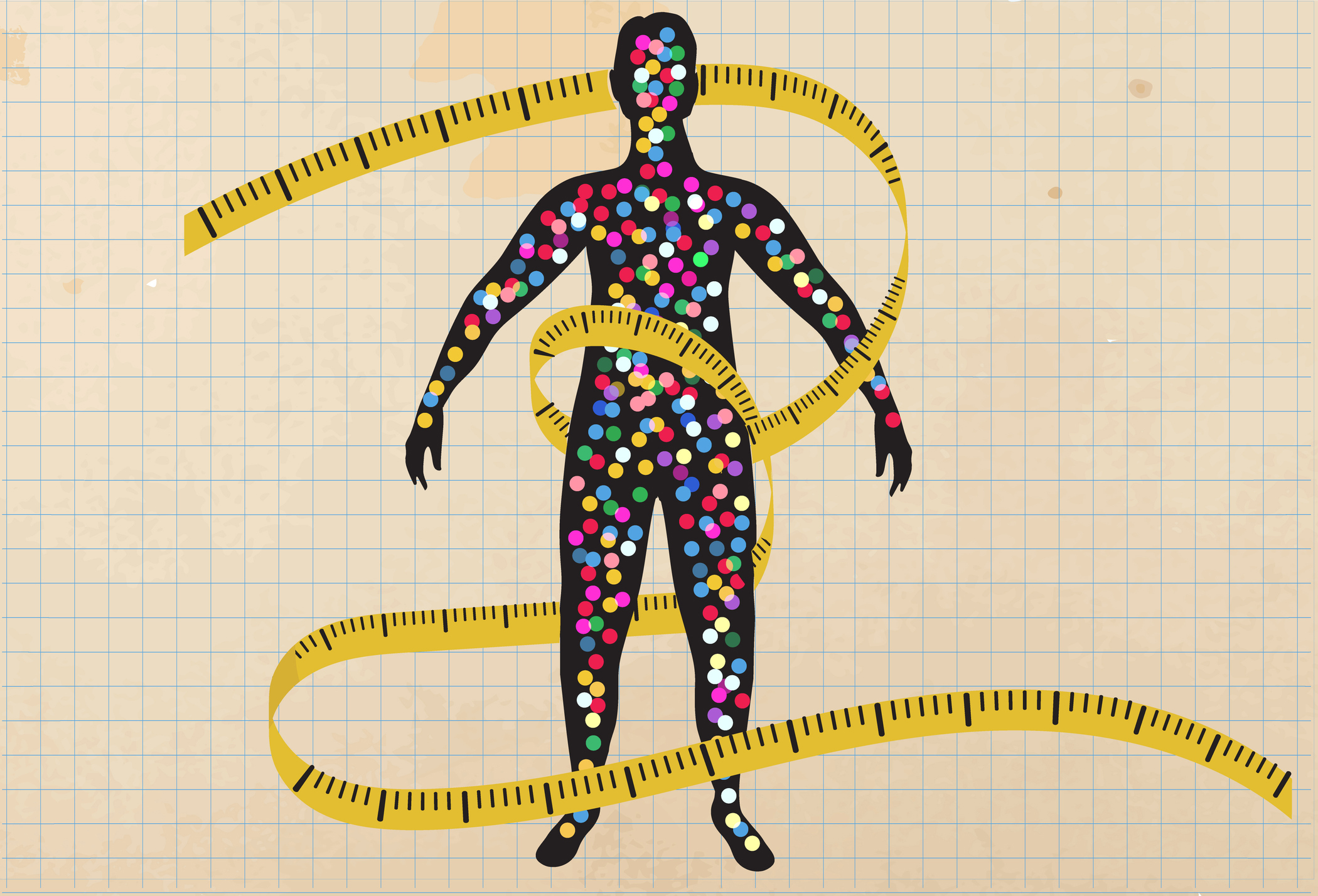
Metabolic syndrome affects more than one out of every three adults in the U.S. It is characterized in people who have at least three of five common issues that raise health concerns – excess abdominal fat, high blood pressure, low “good” cholesterol, and/or high levels of blood sugar and triglycerides.
Some of the findings of this study are counterintuitive, the researchers said, because vitamin E is a fat soluble micronutrient and, in theory, should be available at increased levels in people who are overweight and eat large amounts of fatty foods.
However, a study in the American Journal of Clinical Nutrition found that even though circulating vitamin E in the bloodstream may be high, in obese people this essential micronutrient is not finding its way into tissues where it is most needed.
“Vitamin E is associated with lipids, or the fats found in the blood, but it’s mostly just a micronutrient that’s going along for the ride,” said Maret Traber, a professor in the College of Public Health and Human Science at OSU, and a principal investigator in the Linus Pauling Institute.
“What we found was that tissues of obese people are rejecting intake of some of these lipids because they already have enough fat,” Traber said. “In the process they also reject the associated vitamin E. So even though the tissues are facing serious oxidative stress, the delivery of vitamin E to them is being impaired, and they are not getting enough of this important micronutrient.”
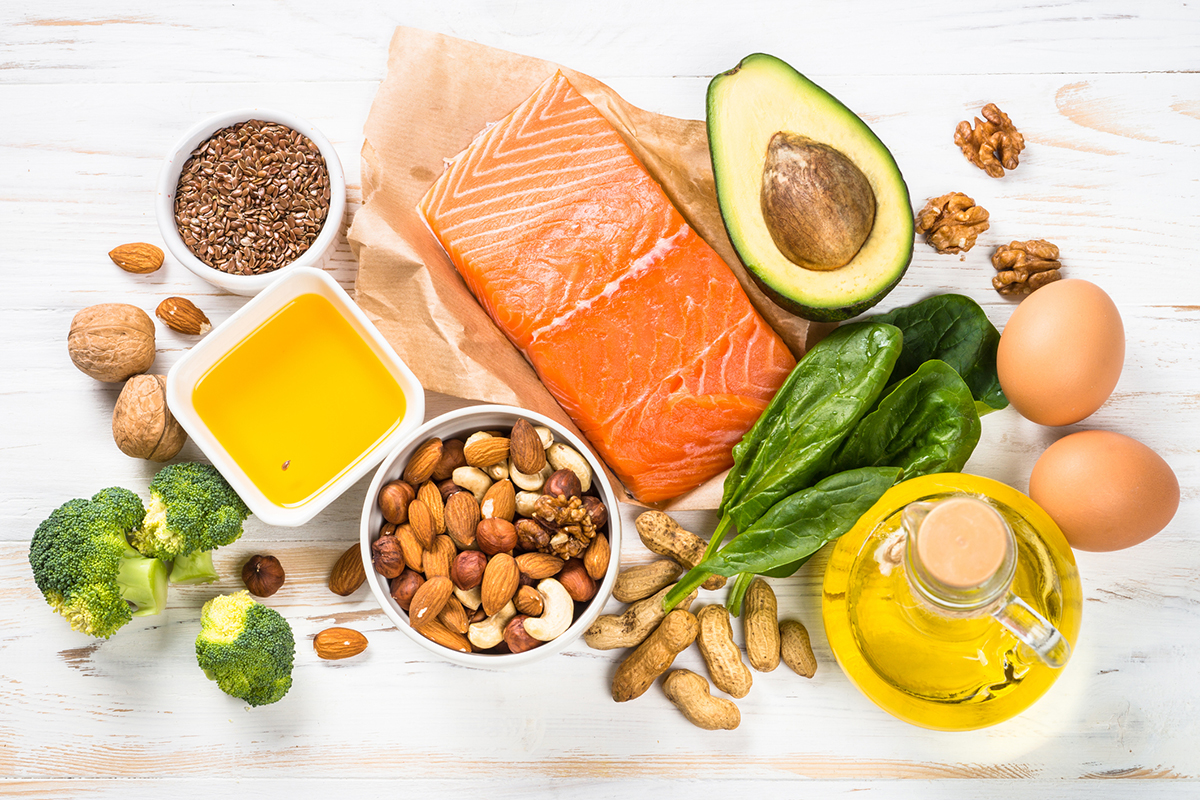
Fat generates oxidants that increase metabolic stress, Traber said. Vitamin E, along with vitamin C and some other antioxidants, are natural dietary defenses against this problem. However, millions of Americans – more than 92 percent by some measures – eat a diet deficient in vitamin E, often about half the desired amount. It’s found at highest levels in some foods such as nuts, seeds, and olive oil.
“Another concern is that when people try to lose weight, often the first thing they do is limit their fat intake,” Traber said. “This may make sense if you are trying to reduce calories, but fat is the most common source of vitamin E in our diets, so that approach to weight loss can sometimes actually worsen a nutrient deficiency.”
A reasonable approach, Traber said, would be to try to eat a balanced and healthy diet, even if attempting to lose weight, while also taking a daily multivitamin that includes 100 percent of the recommended daily allowance of vitamin E, which is 15 milligrams per day. It’s also important to eat some food containing at least a little fat when taking a supplement, because otherwise this fat-soluble vitamin – in the form found in most dietary supplements – will not be well-absorbed.
In this study, the researchers made their findings with a double-blind study of adults, some of whom were healthy and others with metabolic syndrome. The authors concluded that its findings support higher dietary requirements of vitamin E for adults with metabolic syndrome.
Reference:
Oregon State University study Nov. 2, 2015
This article originally appeared on Dr. Galland’s website, PillAdvised.