Micronutrient malnutrition, or deficiencies in one or more critical vitamins or minerals, can adversely impact both mental and physical health and potentially lead to chronic illness.
According to national statistics, there are several nutrient shortfalls that are common, chiefly, potassium, choline, magnesium, and vitamins A, C, D, and E. There is further risk of deficiencies in zinc, selenium, folate, and B12.
We are seeing more and more incidences of mood disorders—particularly anxiety and depression. While the pandemic and its associated lockdowns, loneliness, and the adverse effects of social media have definitively played into its prevalence, there are physiological causes of mood disorders created by micronutrient deficiencies that merit attention.
The primary drivers of these deficiencies are a Western-style diet, topsoil erosion and a decline of nutrients in the soil, and limited access to a variety of healthy foods whether this is due to living in food deserts or food insecurity. Moreover, chronic psychological and environmental stress negatively impact nutrition status leading to micronutrient depletion.
Magnesium may be the most depleted mineral in people due to underconsumption but more likely due to depletion secondary to chronic stress. In fact, extreme magnesium deficiency is associated not just with depression and anxiety, but phobias.
Certain B vitamin deficiencies have been linked to an increased risk of depression—specifically, B6, B12, and folate. The metabolite of pyridoxine (vitamin B6), called P5P, is found to be beneficial in the treatment of mood disorders. Primarily, B vitamins are known to benefit both at-risk populations and healthy people in improving overall mood.
Both acute and chronic psychological stress is associated with increased inflammation in the body. These deleterious effects also impact the brain and mood.
Sources of omega-3 fats such as fish oil—EPA and DHA—are protective against depression and can reduce depressive symptoms. There is also the added benefit of its anti-inflammatory action when inflammation is present.
Recently, curcumin—a potent anti-inflammatory herb, has been found to reduce depressive symptoms in adults as well as reducing anxiety.
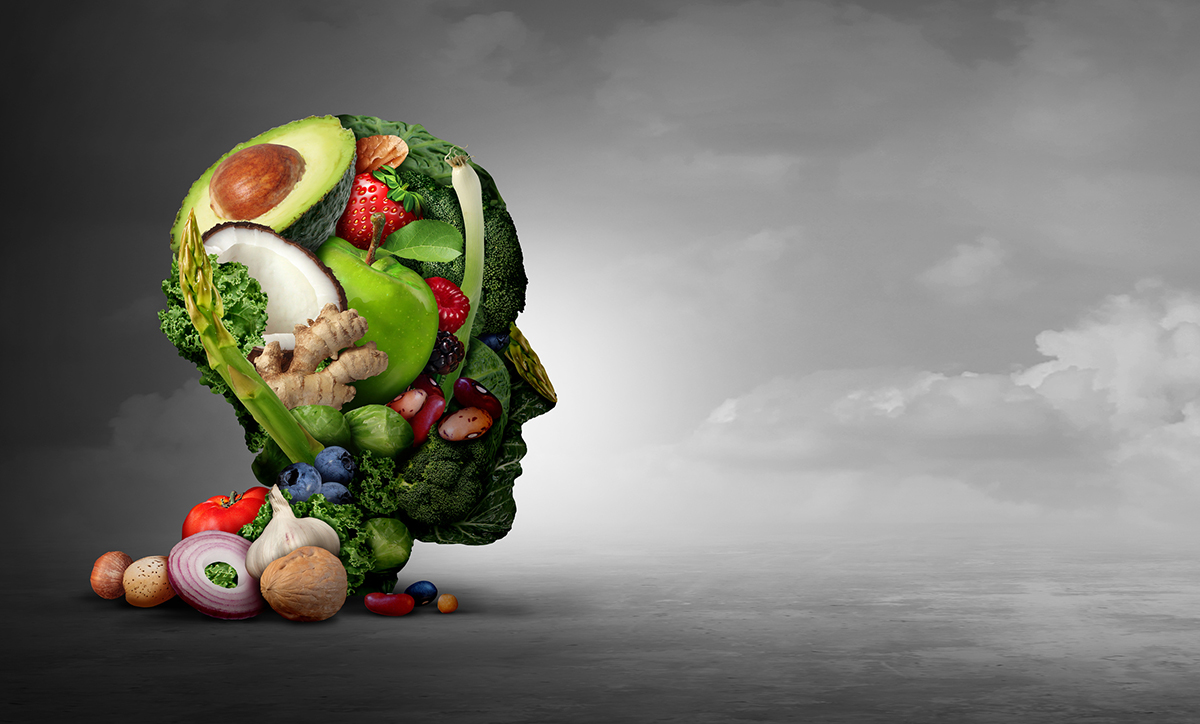
Aiming for at least five colors a day in produce intake adds important dietary antioxidants and phytonutrients. For example, carotenoids are found to help improve emotional and physical health.
To your health!
Leyla Muedin, MS, RD, CDN