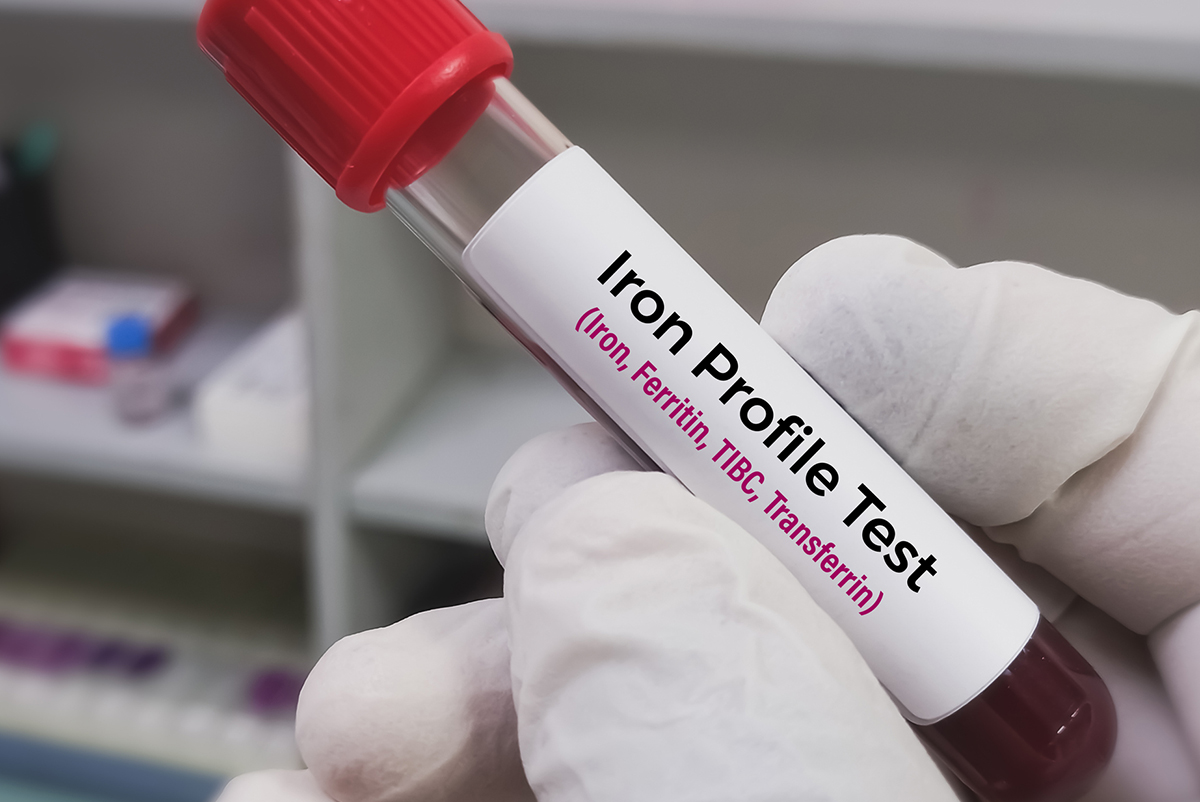
Q: According to my latest bloodwork, I have low levels of ferritin. Can you shed some light on what could be causing this and what the health implications are for low ferritin?
A: While not an indicator of overt anemia that a low hemoglobin and hematocrit on a CBC would reveal, ferritin is the stored iron primarily in the liver. You want enough iron in the closet, so to speak. Typically a ferritin level below 30 is considered iron deficiency.
The best way to restore iron is to eat high-heme foods like red meat, dark meat poultry, egg yolks, and organ meat—particularly liver. Supplemental iron is generally indicated in the presence of low hemoglobin and hematocrit.
Low ferritin can also be a cause of low energy or fatigue, restless legs, hair thinning or loss, brittle nails, and skin that is less radiant than usual.
What’s defined as low? Lab values vary, but we know we need ferritin to be at least 100 ng/mL to support optimal bodily functions like thyroid especially in the setting of hypothyroidism. If you have this condition, suboptimal ferritin levels may be the cause. The high-heme foods described above also contain important minerals like zinc and selenium necessary to support the production of thyroid hormones.
Are you using a proton pump inhibitor like Nexium or Prilosec? Long-term use of these medications for heartburn eventually depletes important minerals like iron, among other troubling issues.
Do you have an inflammatory bowel disease like Crohn’s, ulcerative colitis, or even celiac disease? These conditions can cause malabsorption issues, depleting ferritin. Tannins in food such as black tea, wine, cranberries, and pomegranates—to name just a few—can inhibit the absorption of iron from foods.
A qualified nutritionist can help you in your exploration of the root cause of your low ferritin status.
Next week, I’ll address the causes and health implications of high ferritin levels.
To your health!
Leyla Muedin, MS, RD, CDN