Q: I’m allergic to dairy so I can’t rely on probiotics from yogurt or kefir. What do you recommend instead for people like me who can’t have dairy?
A: Dairy isn’t the only source for probiotics. There’s a wonderful world of lacto-fermented foods that are good sources of beneficial organisms for bowel regularity, colorectal health, immune and skin health, as well as anti-cancer, anti-obesity and brain health.
It is important to note, however, that probiotic foods aren’t recommended in the setting of yeast overgrowth (candida) or illness due to exposure to mold. If you are suffering from any such conditions, it’s best to avoid these foods for a period of time on the advice of your qualified nutritionist or other healthcare practitioner.
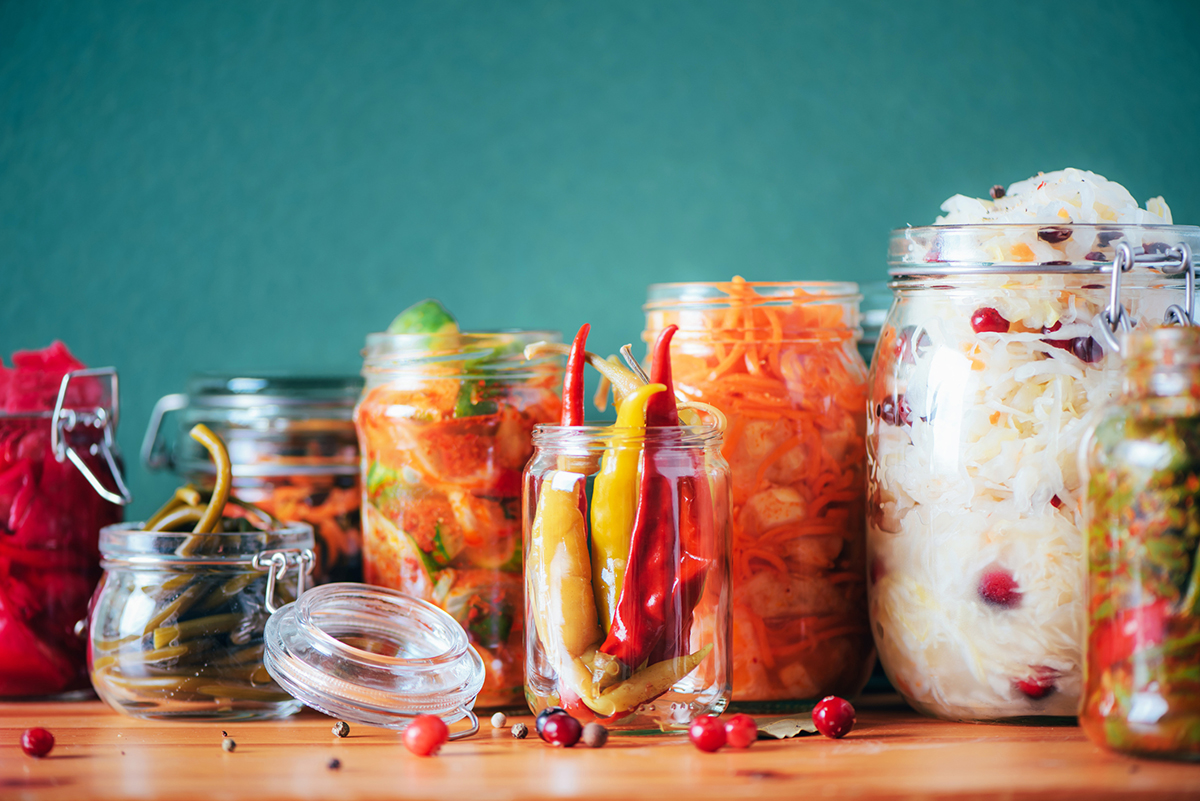
One of my all-time favorite probiotic foods is kimchi. This is a traditional Korean food comprised of vegetables fermented with probiotic lactic acid bacteria. Kimchi is typically made from cruciferous vegetables such as cabbage seasoned with other functional foods like ginger, garlic and red pepper. Use it as a small side dish or a condiment with your main courses, or enjoy it as an appetizer like I do.
Another fermented cabbage dish is sauerkraut. Rather than canned or plastic, look for good quality European sauerkraut stored in glass jars. The only ingredients should be fermented cabbage and salt, nothing else. Make sure it’s not pasteurized as this will kill the beneficial bacteria.
Pickles fermented in brine (not vinegar) contain probiotic organisms. The cucumber isn’t the only vegetable you can pickle. Try carrots, cauliflower, squash, turnips and onions. Here’s a link to get you started making your own: Sour Pickles by Nourished Kitchen
Miso is made of fermented soybeans and typically used in soups and stews in Japanese cuisine. It adds a nice umami flavor to foods and just a little bit goes a long way.
Kombucha is an effervescent drink usually made from green or black tea. However, these beverages may contain a small amount of alcohol (0.5% to as much as 3%) and most are sweetened. Consumer beware!
And don’t forget your prebiotics. Prebiotics feed and nourish our healthy flora and are an important part of overall wellness. Some prebiotic foods are onions, garlic, leeks, asparagus, Jerusalem artichoke and dandelion greens.
Making these foods a part of your daily diet will nourish your microbiome and fortify your immunity. And your gut will be very happy too!
Of course, if you’re concerned about meeting your probiotic needs, you can always supplement your dietary intake with a high-quality probiotic like Dr. Ohhira’s.
To your health!