Q: It seems like the phrase “gluten free” is everywhere these days, and I hear a lot about gluten sensitivity/intolerance and celiac disease.
Are these the same thing? And if not, what’s the difference between celiac disease and gluten sensitivity?
A: According to the American Academy of Nutrition and Dietetics, there is a spectrum of gluten-related disorders, which include celiac disease, gluten sensitivity and wheat allergy.
Celiac disease is an autoimmune disease where the small intestine is the major site of injury upon ingestion of gluten. The person with celiac disease cannot digest gluten or gluten-containing foods without damage to the small intestine. The impact of injury is not necessarily limited to the small intestine but any other target organ, such as the skin (i.e., dermatitis herpetiformis, psoriasis) or brain (i.e., ataxia, neurological disturbances, ADHD, depression and schizophrenia).
Celiac disease is one of the most underdiagnosed autoimmune disorders. In fact, other autoimmune conditions such as rheumatoid arthritis, Hashimoto’s thyroiditis and Grave’s disease among others, occur more often in those with celiac disease.
While the small bowel biopsy is the gold standard for diagnosis, many integrative practitioners agree that the presence of transglutaminase antibodies and endomysial antibodies are sufficient for diagnosis.
Gluten sensitivity is defined as nonceliac gluten intolerance. Diagnosis is determined by the presence of anti-gliadin antibodies IGG and IGA. While gluten sensitivity can cause many of the same symptoms and conditions as celiac disease, it is imperative to make the distinction and diagnose correctly.
Either diagnosis warrants strict adherence to a gluten-free diet. For those with celiac disease, this is for life and they must be vigilant about avoiding cross-contamination in food.
So where’s the gluten?
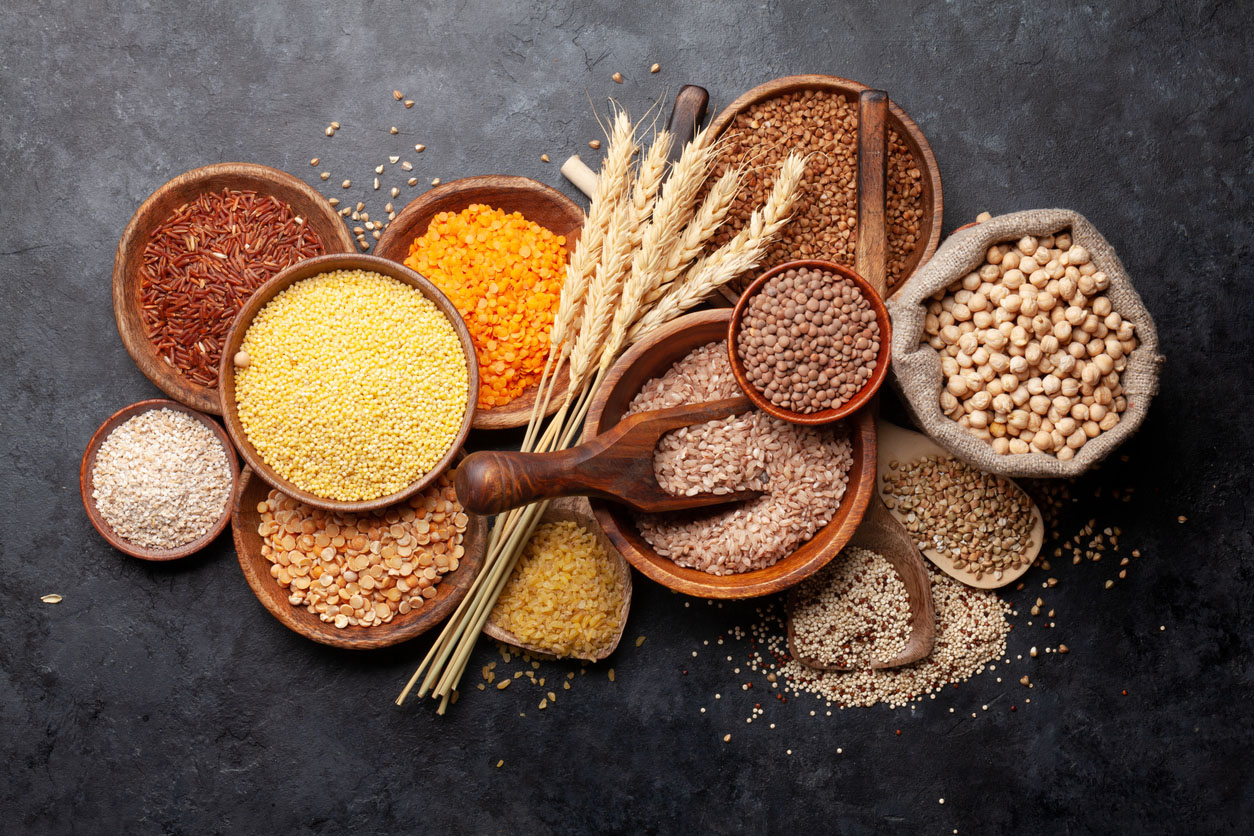
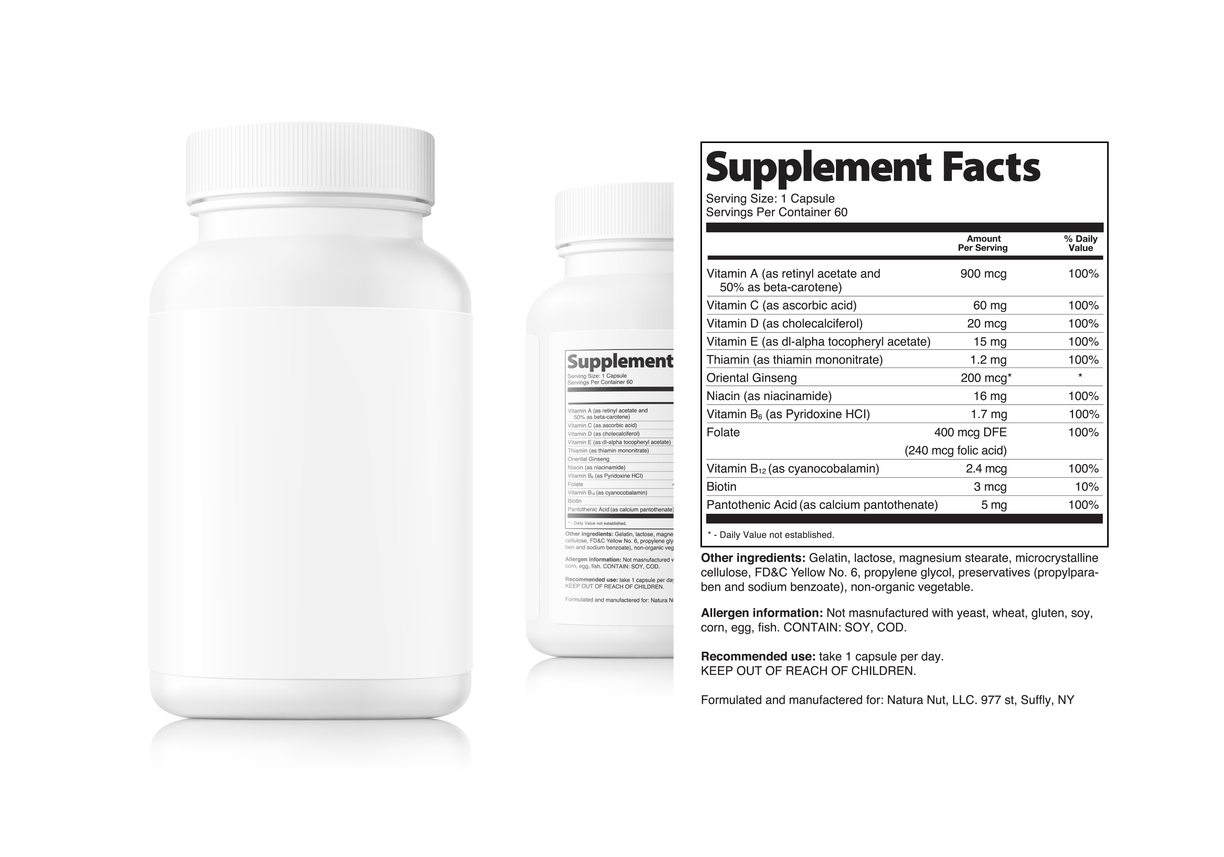
The gluten grains include wheat, rye, barley, oats (mostly due to contamination), spelt, kamut and triticale and any foods containing these grains such as breads, bagels, pasta, muffins and cereals. But there are many other sources of gluten in non-grain-based foods and in medications, supplements, personal grooming products, even envelope glue!
To add insult to injury, the active ingredient, glyphosate, in the common herbicide RoundUp, appears to bind gliadin (the problematic peptide in gluten) and further damage gut microvilli and degrade intestinal tight junctions causing a leaky gut. This alone may be the reason gluten sensitivity is on the rise! I have more in-depth information on the damaging effects of glyphosate in a recent podcast.
With help from an experienced nutritionist, you can become an expert at identifying the myriad sources of gluten in foods, beverages and your close physical environment so you can successfully avoid them.
To your health!
As you may know, I’ve been doing a weekly “Q&A with Leyla” podcast feature with Dr. Hoffman. Now you can get my perspective and expertise every Friday on my own episode of the Intelligent Medicine Podcast. If you missed last week’s, you can listen here. To be sure you don’t miss out on any of my important insights and information, subscribe today!