First, any opportunity to lower your exposure to toxins and lower your body’s overall toxic burden should be fully utilized. Pesticides, herbicides and other contaminants wreak havoc on health, burdening detox pathways, propagating inflammation, and increasing risk factors for chronic disease.
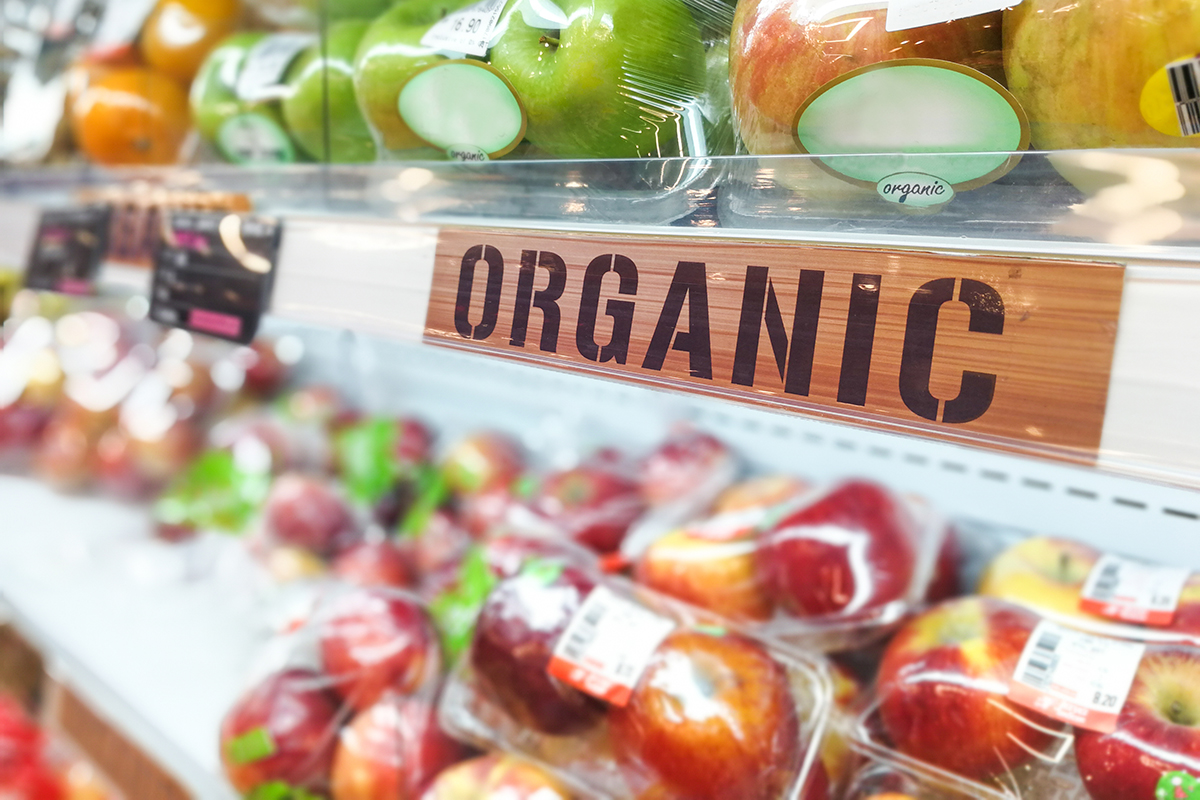
When choosing organic produce, choose the freshest. For example, broccoli should have a blue hue to it (sulforaphane). It shouldn’t be light green going yellow around the edges. This is the only time I would have you avoid organic produce—when it’s looking sad and tired. However, when it comes to frozen organic produce—you almost never go wrong. The produce is flash frozen, retaining most of its nutritive value, as opposed to fresh produce traveling a long distance to your grocery store. That’s why I recommend not just buying organic, but also buying local. It’s fresher, ensuring full nutritive quality.
Regenerative farms are growing in numbers all over the country. Look for your local regenerative farmer for most if not all your food needs.
When it comes to meat, choose grass-fed. Let’s first distinguish between organic meat and grass-fed meat. Organic means the animal was not given hormones, antibiotics or pesticides in its feed. The feed, however, is not necessarily grass but corn and soy. Grass-fed meat is different in that the animal was pasture-raised. Not fed corn or soy. Note that grass-fed often is organic, but organic is not necessarily grass-fed.
When cattle are not fed their natural diet (grass), they become inherently less healthy. Corn and soy feed in factory farms cause an unhealthy ratio of omega 6 to omega 3 fats—around 20:1—which is unhealthy for the animal as well as for our consumption of their meat. This ratio deems it pro-inflammatory.
Grass-fed cattle have a ratio of omega 6 to omega 3 of about 2:1 which is much healthier. Other benefits of grass-fed meat as compared to grain-fed meat: they contain two to four times more vitamins A and E, are higher in branch chain amino acids (critical for developing muscle) and the pH of the first stomach is lower, thereby minimizing risk of E. coli bacteria.
To your health!
Leyla Muedin, MS, RD, CDN