Q: My dietitian tells me that as long as I’m eating a broad range of plant protein, I’m getting the requisite essential amino acids making animal protein unnecessary.
But will I get enough protein every day eating this way?
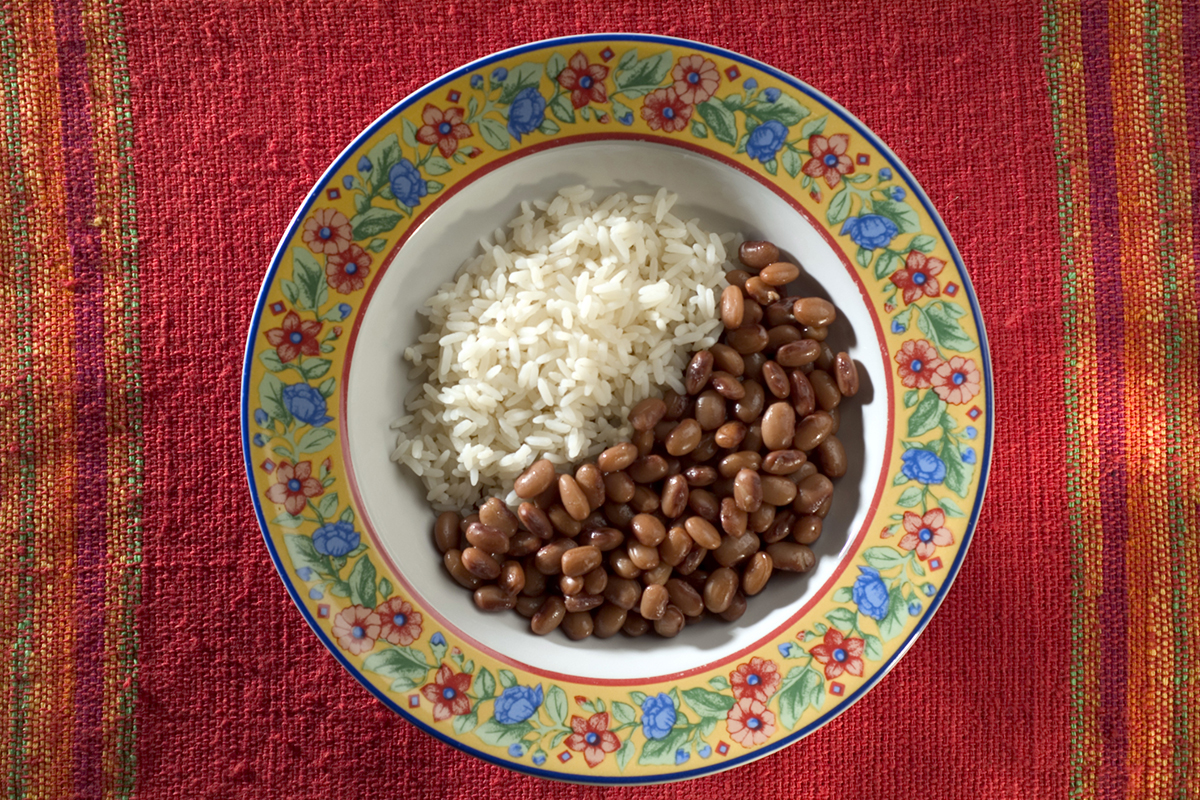
A: The protein source controversy has been in existence for as long as I can remember. Plant proteins are said to be incomplete proteins whereas animal protein contains all essential amino acids. I remember one of my professors in undergrad nutrition, a vegetarian herself, educating us that these essential amino acids can be easily obtained with food combining. A popular one is combining grains and legumes to insure that these essential amino acids, specifically methionine and lysine in this example, are in reasonable supply.
The nine essential amino acids are deemed exactly that because the body doesn’t make them, you have to get them from diet. Those are histidine, tryptophan, threonine, lysine, phenylalanine, methionine and the branch chain amino acids valine, isoleucine, and leucine. For babies, it’s ten – arginine is added.
A frequent choice of vegetarians and vegans, soy is said to be complete protein. While this may be true, eating soy regularly has its drawbacks, specifically, it’s a goitrogen—interfering with thyroid function, and high in phytoestrogens which may have other endocrine impacts.
Another disadvantage of only relying on plant sources is the low amount of protein offered, ranging around 12-17 grams in a cup of legumes and beans, 5-9 grams in an ounce of nuts and seeds, 4-8 grams in a cup of cooked grains, and 2-5 grams in a cup of cooked vegetables. You’d have to eat a lot of servings to get your daily requirement—especially as you get older.
Moreover, plant foods contain phytates which bind minerals like iron, calcium and magnesium, limiting their absorption. My vegetarian and vegan clients require a mineral supplement—at the very least.
So that’s a lot or carbohydrates every day! Unless you’re athletic, you can expect to gain weight.
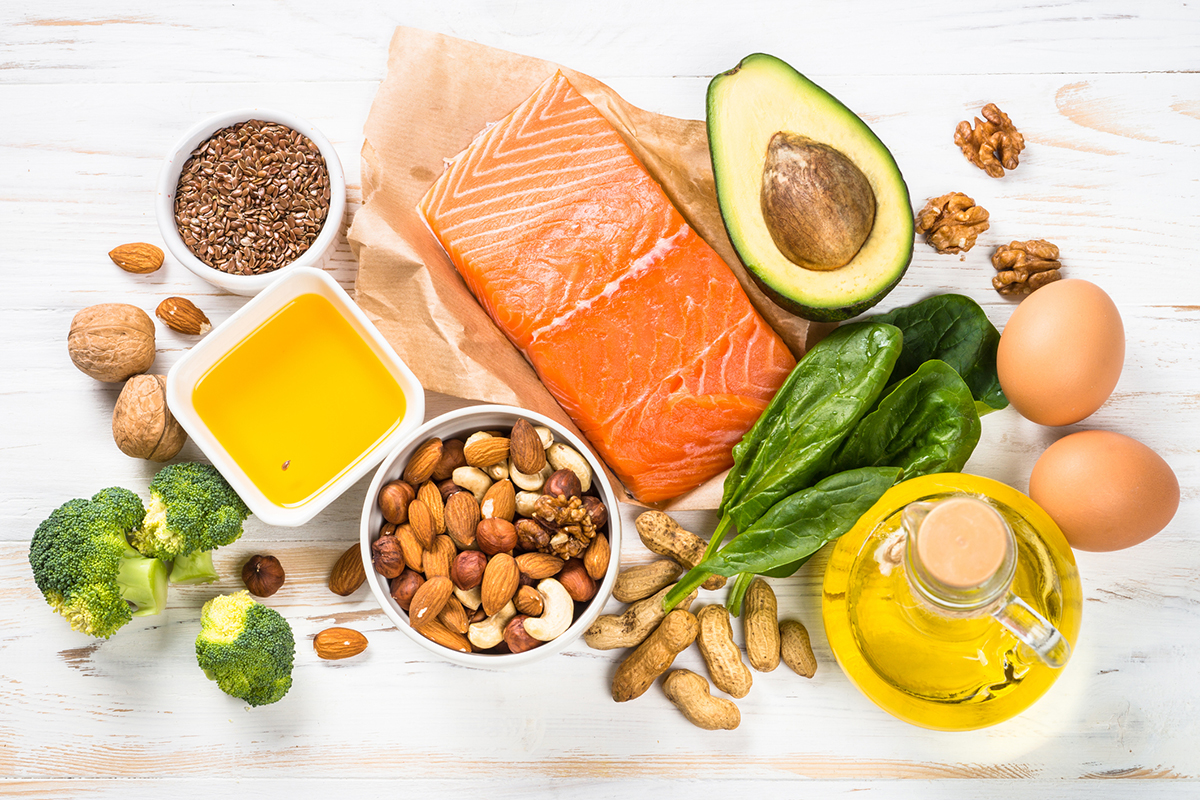
On the other hand, animal proteins like meat, poultry, eggs, and dairy like cheese contains 6-7 grams per ounce. Since they’re complete proteins you don’t have to worry about food combining, keeping carbohydrate intake reasonable.
To your health!
Leyla Muedin, MS, RD, CDN