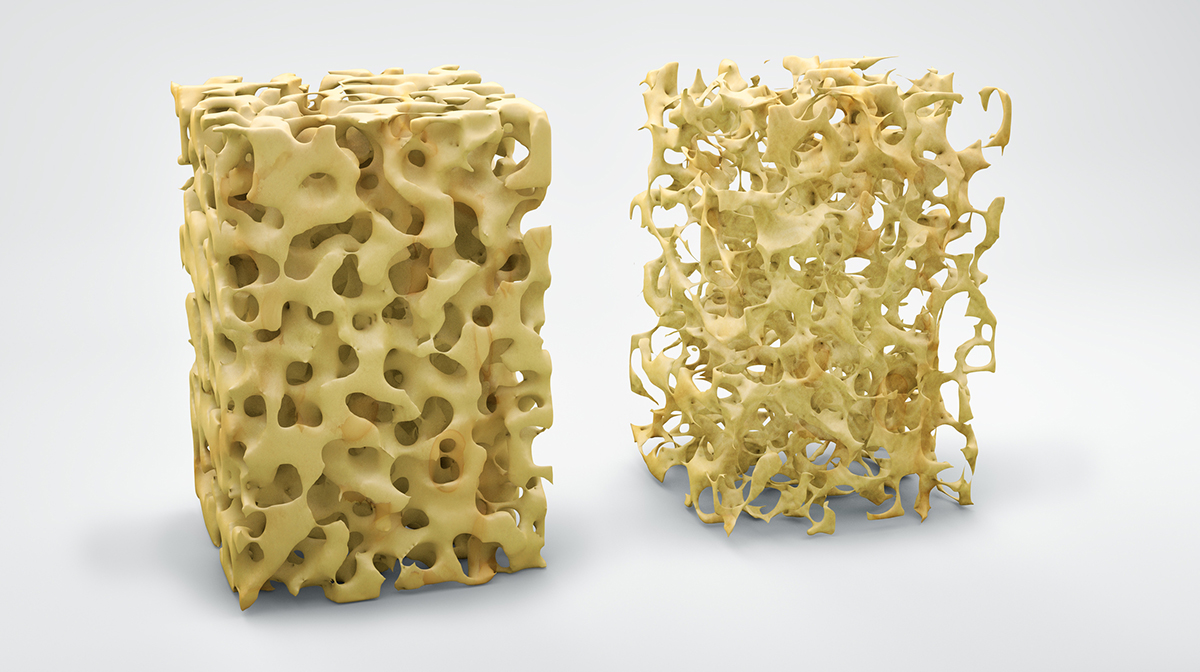
Q: My sister is 59 years old and her bone health has progressed to osteoporosis. A year ago she started Fosamax, strontium, calcium, 1000 IU vitamin D, and magnesium among other vitamins including fish oil. She is fairly active every day and also takes exercise classes two to three days per week.
She just had another bone mineral density test and nothing has changed. No improvement at all. Is there anything else she can do or take?
RELATED: ‘A Perfect Storm for Broken Bones’ or a perfect marketing pitch for osteoporosis drugs?
A: There may be several reasons your sister hasn’t had an improvement in bone mineral density.
First, the amount of vitamin D she is taking is probably not enough. But more importantly, what is her serum vitamin D level? The optimal range is between 55 – 85 ng/ml. She needs to adjust her dose accordingly to maintain this level of vitamin D, especially during the winter. Also critical to the proper metabolism of calcium is vitamin K. A qualified nutritionist can help determine appropriate supplements and doses based on her requirements.
It’s possible your sister isn’t digesting and absorbing properly. Does she have any GI issues like frequent diarrhea, inflammatory bowel disease (IBD) or celiac disease? Has she been checked for food allergies or intolerances? These issues need to be addressed to prevent micronutrient deficiencies.
Does she have GERD (gastro-esophageal reflux disease)? Is she taking a proton pump inhibitor (PPI) such as Prilosec or Nexium? PPIs inhibit the absorption of minerals such as calcium and magnesium. Long-term use of PPIs is a risk factor for osteoporosis.
Is she on a heavily grain-based diet? These foods are acidic. Too many acid-forming foods in the diet excrete calcium from bones. Choosing alkalinizing foods such as vegetables and fruits instead of grains is helpful.
Is she vegetarian or vegan? Healthy bone turnover requires sufficient amounts of high biological value protein. Including low-mercury and wild fish, free-range poultry, organic eggs, and grass-fed meats in her daily diet can help increase bone mineral density.
Finally, check serum DHEA sulfate levels. DHEA in the upper range of normal helps with osteoporosis.
To your health!
Leyla Muedin, MS, RD, CDN
Email your questions to questions@drhoffman.net