Are there habits that can undermine your health, speed aging, and curtail your lifespan? To some extent, disease susceptibility and longevity are genetically programmed—by most estimates by around 20%. While health is not entirely a merit system, much is determined by your lifestyle and exposures.
As is sometimes said: “Genes load the gun . . . but environment pulls the trigger.”
Accordingly, here are 10 health habits to avoid:
Consuming Ultra-Processed Foods: The imprecation to avoid ultra-processed foods (UPFs) covers a multitude of sins. Processing deprives foods of critical nutrients, especially fiber and beneficial polyphenols; fortification with synthetic vitamins and minerals is a pale imitation of nature. Processed foods are often laden with artificial colorings, emulsifiers, flavorings, texturizers, and preservatives.
UPFs are also highly-palatable and addictive delivery systems of empty calories, especially from sugar and industrially refined seed oils.
A torrent of evidence is indicting UPFs as instigators of many chronic diseases and even psychiatric ailments; they have also been demonstrated to accelerate cellular “aging clocks” that determine longevity.
The NOVA Classification System attempts to identify and rate UPFs.
Getting up to eat at night: If you awaken to make middle-of-the-night refrigerator forays, you’re headed for trouble. It actually has its own medical acronym: NES (night eating syndrome).
NES is often associated with deranged blood sugar regulation, a feature of metabolic syndrome or prediabetes. A few hours after a big—usually carb-laden—bedtime snack, blood sugar plummets as a consequence of reactive hypoglycemia. The “fix” is another sugary snack, which temporarily eases a return to sleep.
What eventuates is a vicious cycle of disturbed sleep due to episodes of hypoglycemia. Adrenal exhaustion compounds the problem as sleep quality declines, since cortisol helps defend against low blood sugar. Poor sleep activates cravings.
Worse yet, all that snacking undermines autophagy—the body’s and brain’s clean-up process—that is facilitated by long intervals in the fasting state, with restricted hours for food intake. NES is the diametric opposite of interval fasting or time-restricted eating, which has been shown to optimize metabolism.
Drinking from plastic bottles, microwaving/cooking food in plastic containers: Plastic microparticles are coming to be recognized as an unprecedented hazard to human health. Drinking from plastic bottles can add thousands of microscopic particles that infiltrate your organs. They have been found in brains, placentas, and atherosclerotic plaque.
This added to the long-acknowledged risk of exposure to endocrine-disrupting chemicals like bisphenols, polymers, and phthalates leached from plastic containers, especially when heated or used for food storage.
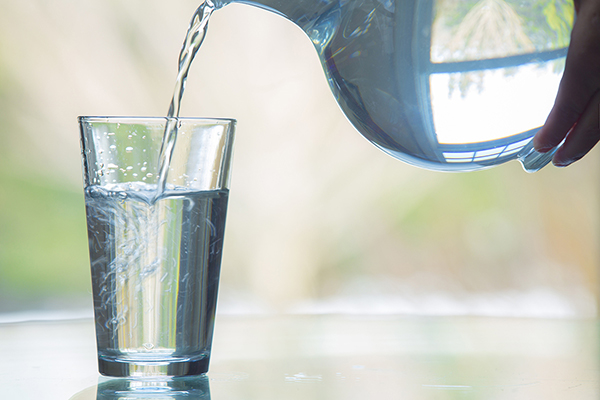
Underhydrating: We’re often tempted to withhold fluids, especially when traveling, commuting, or while working, when bathroom breaks are inconvenient. But that courts the risk of under-hydration. Older men may suffer prostate problems, and both sexes experience bladder issues as they get older. Moreover, thirst signals, which impel us to hydrate, may be blunted with age or under the influence of certain medications.
The result is that a startling percentage of the populace—by some estimates 60-70% of adults—is chronically under-hydrated. The consequences are described in a recent review: “ . . . increased risk of new-onset chronic diseases, accelerated aging and premature mortality.”
Moreover, even mild under-hydration can cause cognitive problems. According to studies, “These include poorer concentration, increased reaction times, short-term memory issues, and negative mood changes.”
Prolonged sitting: They say that “Sitting is the new smoking”. Even my Apple Watch pesters me to periodically stand up and walk around. While many studies show a correlation between hours spent in a seated position—whether working or in passive leisure activities—and disease risk, others suggest that periodic “exercise snacks” can counteract the harms.
At any rate, total time plunked in a chair or on a sofa is a reasonable proxy for sedentary lifestyle. Ample evidence supports the notion that movement—physical work, walking, sport, aerobics, strength training, yoga, dance, etc.—is imperative for health optimization.
Smoking/vaping: It’s settled science that the most unequivocal risk for myriad diseases and premature death is smoking cigarettes—duh! But marijuana legalization and the popularization of nicotine vaping as an alternative to cigarettes has ushered in a new peril—especially to heedless young people. Inhaling heated gases and particulate matter poses risks, not just to lungs, but to the circulatory system.
Marijuana smoking is linked to increased heart disease risk, with studies showing a higher risk of heart attack and stroke; Research confirms a higher likelihood of heart attack, coronary artery disease, and stroke among e-cigarette users, particularly those using nicotine products. The long-term effects include an increased risk of heart failure and other cardiovascular events.
“Catch-up” sleep: Life is hectic. Work, commuting, leisure activities (“social jet lag”), and household responsibilities take up time and disrupt schedules during the week, and we skimp on sleep. But when the weekend comes, we luxuriate by “sleeping in”, making up for those lost Zzz’s.
But the benefits of paying off our sleep debt that way may be illusory. Even if the cumulative daily average of your sleep time seems re-established by long bouts of weekend sleep or daytime snoozes, the practice disrupts crucial circadian rhythms. A study looked at the effect of chronic catch-up sleep on mortality in middle-aged adults: Compared to normal sleep patterns, weekend makeup sleep was consistently associated with higher mortality. Weekend long-sleepers also had higher BMIs, signs of less restorative sleep, and higher daytime sleepiness scores.
Where feasible, it’s best to adhere to the old maxim: “Early to bed, early to rise, makes a man healthy, wealthy and wise”. Obeying your body’s internal clock with consistent, adequate sleep intervals delivers a host of benefits.
Excessive screen time: Numerous studies are emerging that underscore the deleterious effects of excessive screen time and social media engagement on young people’s physical and emotional well-being. Even their cognitive performance may be hampered by the ubiquity of online enticements during crucial developmental stages.
The same applies to adults. Engagement fuels a dopamine loop, much like gambling or other addictive behaviors. The result can leave us feeling emotionally “flat”, accentuating anxiety and depression. “Doomscrolling”, while ostensibly relaxing, fuels FOMO, anger, resentment, and social isolation, and precludes other constructive activities and exercise.
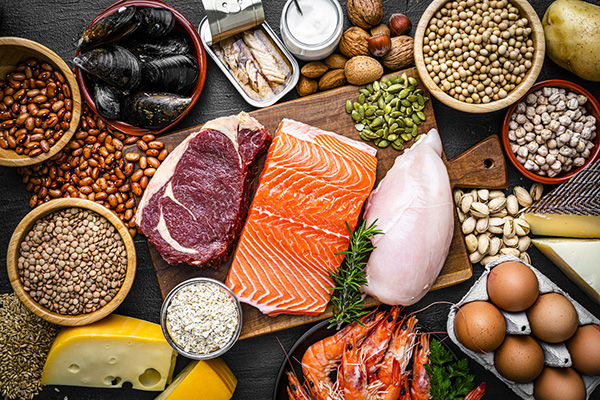
Under-consuming protein: Current recommendations for daily protein allowances are based on obsolete studies of young, male, sedentary volunteers, and focus on “nitrogen balance”—the minimum amount of protein required to prevent muscle and tissue breakdown. One can survive on 0.36 grams of protein/day per pound of body weight—e.g. around 50-60 grams/day of protein for average women, or 60-75 grams/day for average men—but can one thrive?
Many experts now argue that these RDAs are too low, especially for athletes or even ordinary people trying to build or preserve muscle. Additional protein, especially when paired with resistance exercise, can provide an important hedge against sarcopenia, the progressive muscle loss that accompanies aging and leads to frailty.
Instead, they recommend that active individuals seeking optimization of muscle metabolism consume around 0.8 to 1.0 grams per pound of body weight. So, using me as an example (167 lbs), that would be around 135 to 165 grams of protein per day—over double the RDA.
Note that the formula applies to normal weight individuals. In other words, if you’re my height (5’10”) and weigh 335 pounds, you don’t get to eat twice the amount of protein I’m allotted. Instead, as a male, give yourself 106 pounds and add 6 pounds for every inch above 5’0”; for females start with 100 pounds and add 5 pounds for each additional inch above 5’0”. That’ll yield a rough approximation of your lean weight.
Older individuals especially may benefit from protein supplements because their appetites tend to wane, and diminished digestive ability might reduce assimilation of dietary sources.
Can you consume too much protein? Unless you’re on kidney dialysis, there are scant reasons to worry. An added plus is that protein is highly satiating and can help curb cravings for refined carbohydrates.
Over/Under-Doctoring: This cuts both ways. It’s important to get checkups and obtain useful feedback on blood pressure, cardiovascular disease risk indicators, and measures of kidney, thyroid, liver, lung, reproductive organ, skin and intestinal health, as well as nutritional status. An individualized approach to vaccination is prudent if your health status demands it.
That being said, there’s a danger of overdiagnosis and overtreatment. Overzealous reliance on screening tests—like whole body MRI—in individuals without symptoms can put you on the merry-go-round to more invasive tests and procedures, and sometimes unnecessary treatment.
For example, it’s been estimated that a sizeable percentage of people receiving coronary artery stents derive no survival benefit from them; additionally, reviews highlight that, in some high-volume hospitals, nearly half of back surgeries are unnecessary.
A sizeable proportion of adults over 60 are hobbled by polypharmacy, the use of multiple medications simultaneously—and sometimes antagonistically—which heightens the likelihood of dire side effects.
Therefore, especially as you get older and ailments and risks pile up, you should exercise discretion when it comes to your medical care. Knowing “when to hold, and when to fold” can save you a lot of unnecessary misery. Don’t become a cash-register for the medical-pharmaceutical-industrial complex. Be an informed consumer of your medical options—Intelligent Medicine is here to help you make the best possible choices.