We’re told to ‘eat the rainbow’ for good health. But should we be eating the rainbow with caution?
Plants can’t run away from predators like animals can, so they have other self-preservation methods that protect them against pests and diseases. Many contain anti-nutrients. These are substances like phytates, oxalates, tannins, lectins, goitrogens and phytoestrogens, among others. They are thought to block or inhibit absorption of micronutrients in the digestive tract. However, these very same anti-nutrients may have beneficial effects on gut microbiota and signaling of other important bodily functions.
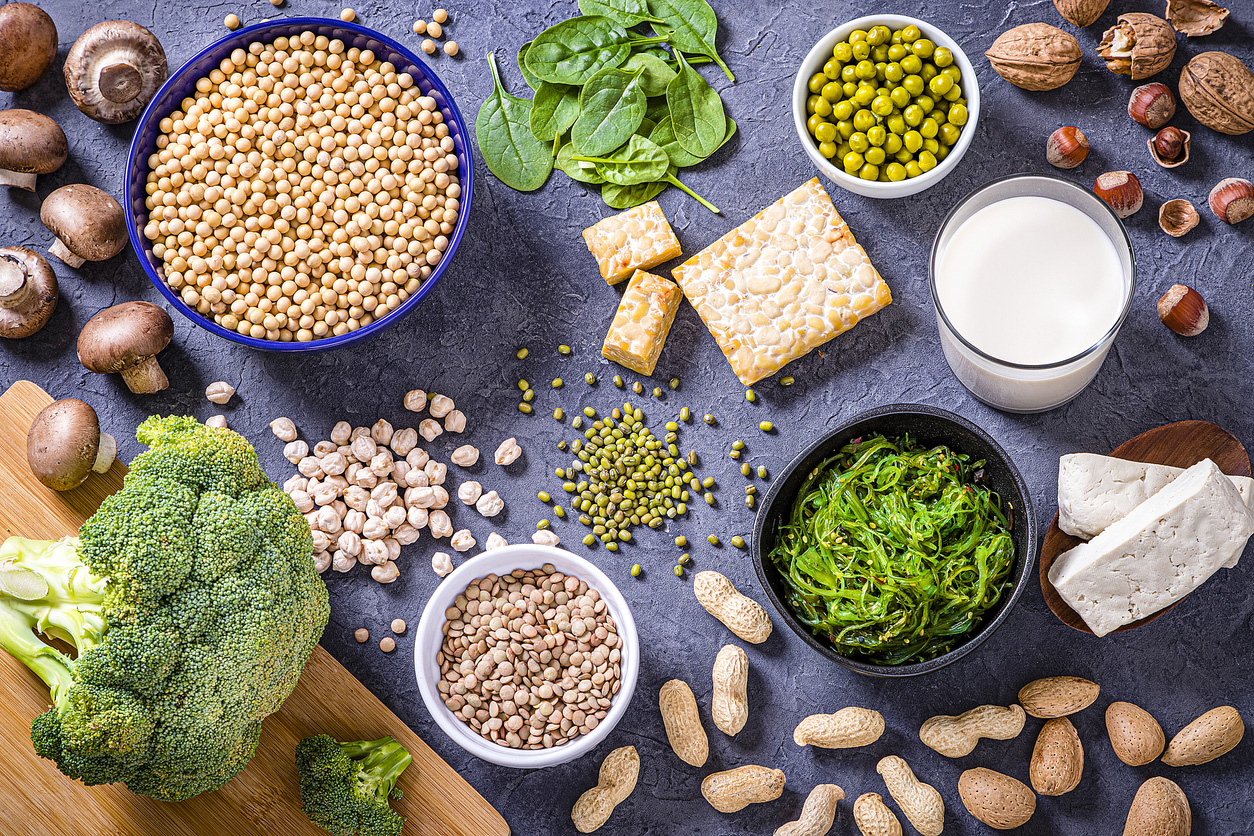
Phytates or phytic acid are phosphate complexes that serve as energy and antioxidant depots for plants such as vegetables, grains and legumes. The trouble is they also bind minerals like calcium, magnesium and iron and inhibit their absorption in the GI tract. For example, we can’t get much iron from lentils, peas or spinach due to the phytate content but cooking or soaking them (legumes) reduces some of the phytic acid content. However, these methods may also increase mineral loss.
Oxalates are substances that may increase kidney stones in susceptible individuals. These organic acids can cause other problems like bodily aches and pains. Cooking methods like boiling and steaming can help reduce oxalate content. It has also been suggested to pair high calcium foods with oxalate containing foods to lessen the absorption of oxalic acid. The health of the microbiome also regulates metabolism of oxalates in foods.
Tannins are polyphenol compounds that lend an astringent taste to foods and beverages like tea, wine, cider, fruit, fruit juices and chocolate. Their ability to chelate minerals such as iron, copper and zinc leading to inhibited absorption is in stark contrast to their antioxidant, anti-cancer and cardioprotective abilities.
Lectins, popularized by Dr. Steven Gundry in his book The Plant Paradox, are protein substances found in various legumes, nuts, cereal grains, vegetables and fruits. Fermentation, soaking, cooking, and eating produce when ripe—not under ripe—reduces lectins. Anti-nutrients like lectins among others are also causes for concern in animal feed.
Goitrogens are glucosinolates found in foods like soy, millet, cassava and Brassica family vegetables (i.e., kale, cabbage, broccoli, kohlrabi, Brussels sprouts) that inhibit iodine absorption by the thyroid. Iodine is necessary for the production of thyroid hormones.
Phytoestrogens are polyphenolic compounds like isoflavones, lignans and stilbenes contained in soy, flaxseed, nuts, vegetables and fruits. They both mimic estrogen and act as an estrogen antagonist, thereby modulating the reproductive systems of those who eat them.
This is not an exhaustive list of anti-nutrients in our food. And their presence appears to be a double edged sword when contrasting negative digestive impacts to cardiovascular, inflammation and even cancer prevention benefits.
To your health!
Leyla Muedin, MS, RD, CDN