Q: I’m trying to include more fresh produce in my diet, but I’m worried about exposure to pesticides and harmful bacteria. Can you please tell me the best ways to clean fruits and vegetables?
A: Fresh produce is an important part of a healthful diet, but can harbor bacteria, fungi and other germs along with pesticides and herbicides.
There is now new evidence that simply washing produce doesn’t go far enough in removing the toxic chemicals our produce is sprayed with. Imaging results reveal that pesticides can penetrate not just the peel but the pulp layer of fruit! Next time you eat a non-organic apple, the recommendation is to peel it and cut away some pulp.
However, here are some tips on cleaning fresh organic produce to help remove any bacteria and fungi residues:
First, wash your hands well with soap and water and make sure your counter tops, utensils and cutting boards have been properly cleaned.
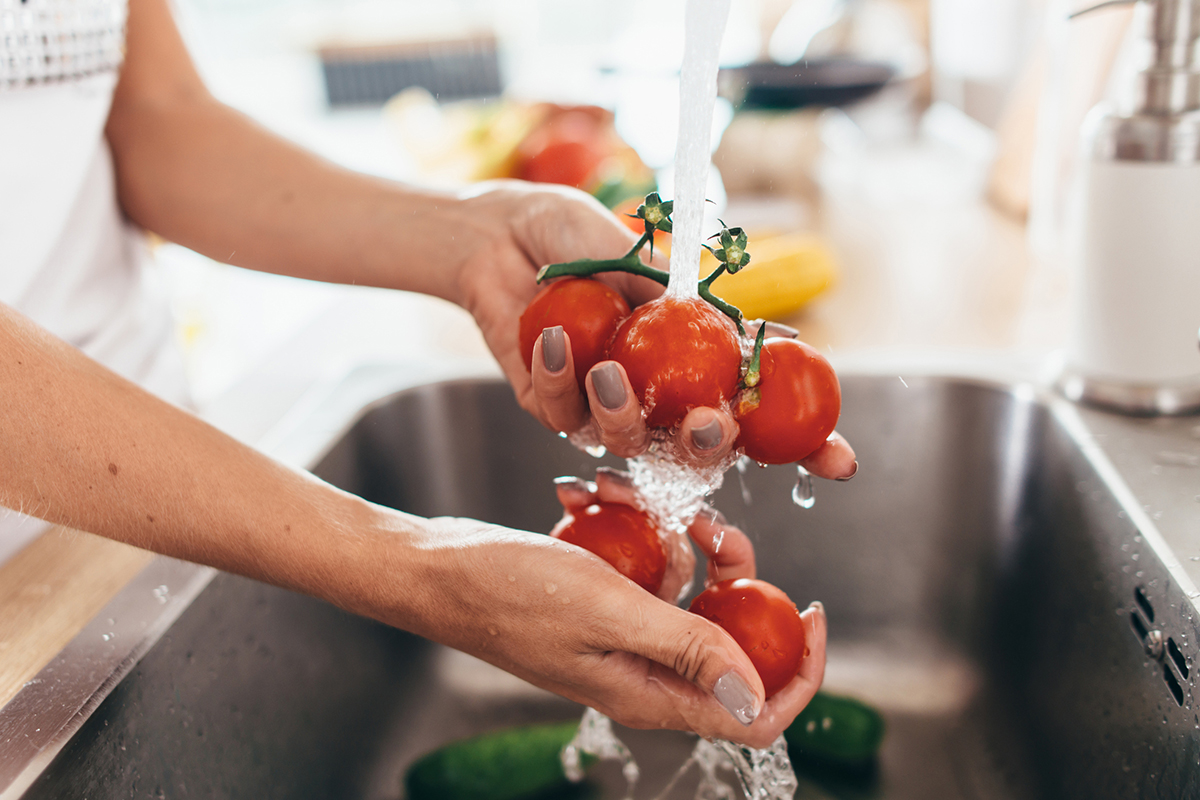
While no washing method completely removes all microbes, thoroughly rinsing fresh produce with pure, clean water effectively reduces the number of germs. Washing fruits and veggies also helps to remove dirt, stubborn garden pests and some residual pesticides.
Do NOT use detergent or bleach to wash produce. Many types of produce are porous and can absorb chemicals, which are not something you want to ingest!
Chemical rinses and other ‘fruit and vegetable washes’ may be an option, but I don’t advise them due to lack of evidence as to their effectiveness in removing germs.
A good way to wash leafy greens is to separate the leaves and immerse them in a bowl of cold water to loosen sand and dirt. Do this a couple of times to ensure all soil residues are gone. This cleaning method also works well with fresh herbs such as parley, cilantro and dill.
Adding vinegar to water (1/2 cup distilled white vinegar per 1 cup water) followed by a clean water rinse has been shown to reduce bacterial contamination, but may change the texture and taste of produce. Instead, try a teaspoon of baking soda per two cups of water and swish your produce around and soak for about 12-15 minutes to effectively reduce any germs and pesticide residues. Then rinse in clean cold water before prepping and eating.
Use a scrub brush under running water to clean firm produce such as apples, cucumbers root vegetables and melons—especially cantaloupe. Wash other softer produce such as peaches, cherries and berries under cold running water and dry with paper towels.
To find the best way to reduce your exposure to pesticides in produce, you can also visit EWG.org for the latest Dirty Dozen and Clean Fifteen.
To your health!
Leyla Muedin, MS, RD, CDN