Q: Should we aim for total fiber or for the quality? Two cups of spinach equals four grams of fiber but a half cup of bran cereal has as much as 10 grams.
Most of the time I eat very healthy and would like to add additional fiber to my diet. Are wheat dextrin or corn dextrin okay to consume?
A: The general recommendation for fiber intake in adults ranges from 20 to 35 grams a day, including both soluble and insoluble fiber, including lignins, pectin, cellulose, gums and mucilages. Fiber is thought to have many health benefits including prevention of constipation, hemorrhoids, diverticulosis and promoting satiety at meals to help promote a healthy weight.
Wheat and corn dextrin are soluble fibers that help absorb water and become gelatinous, helping to remove excess cholesterol and waste out of the body. While dextrins can also aid in stabilizing blood sugar by slowing down the rate of digestion and absorption, the scientific literature reveals it doesn’t do it nearly as well as protein and fat intake at meals. Still, fiber is a good guy and a healthy addition to anyone’s diet.
Please note that wheat and corn are two of the top eight food allergens so those with allergy or intolerance shouldn’t consume wheat or corn dextrins.
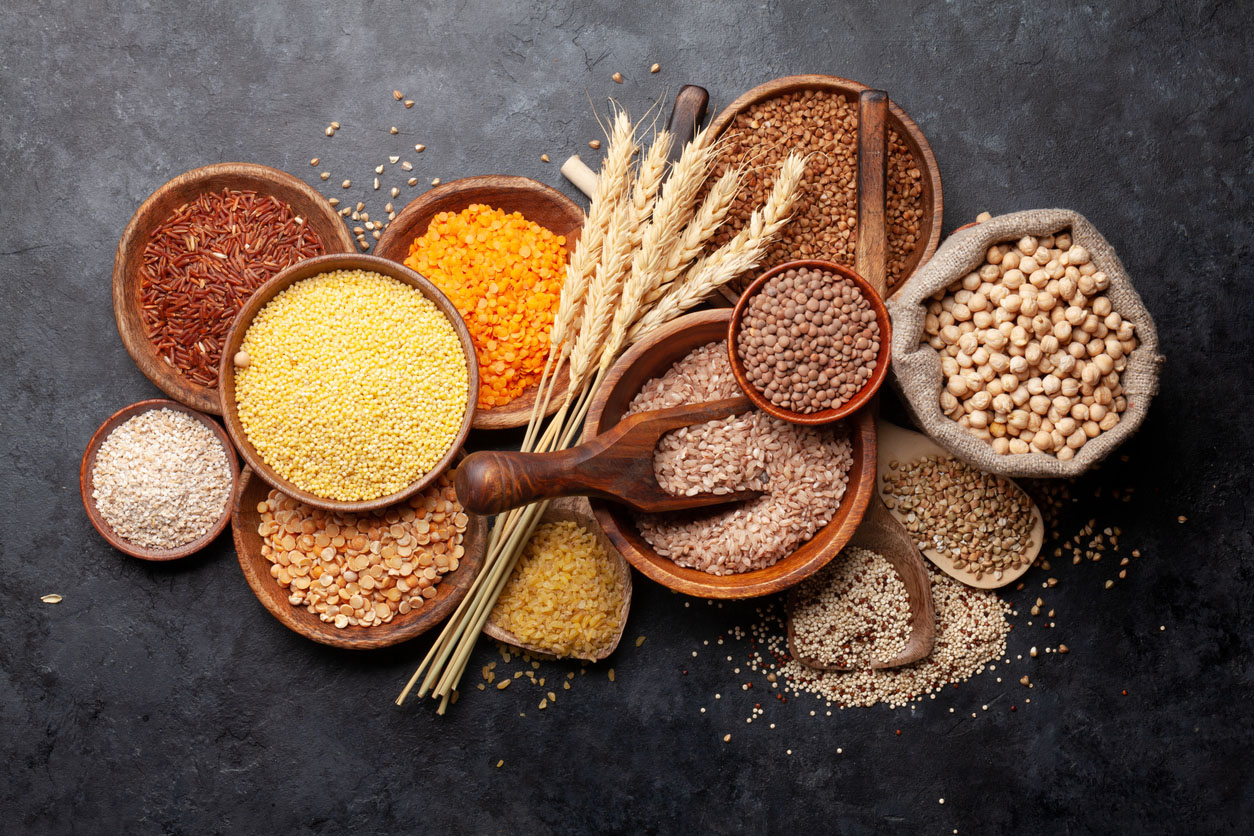
It’s best to get your fiber from a variety of food sources: vegetables, fruits, nuts, seeds, beans and whole grains. This article in Today’s Dietitian can help guide you in planning your meals so you can ensure you’re getting adequate amounts of fiber each day.
To your health!
Leyla Muedin, MS, RD, CDN