Q: I eat canned sardines and/or canned wild caught salmon at least three or four times per week. Is this a healthy way to eat fish or are there drawbacks to eating canned fish?
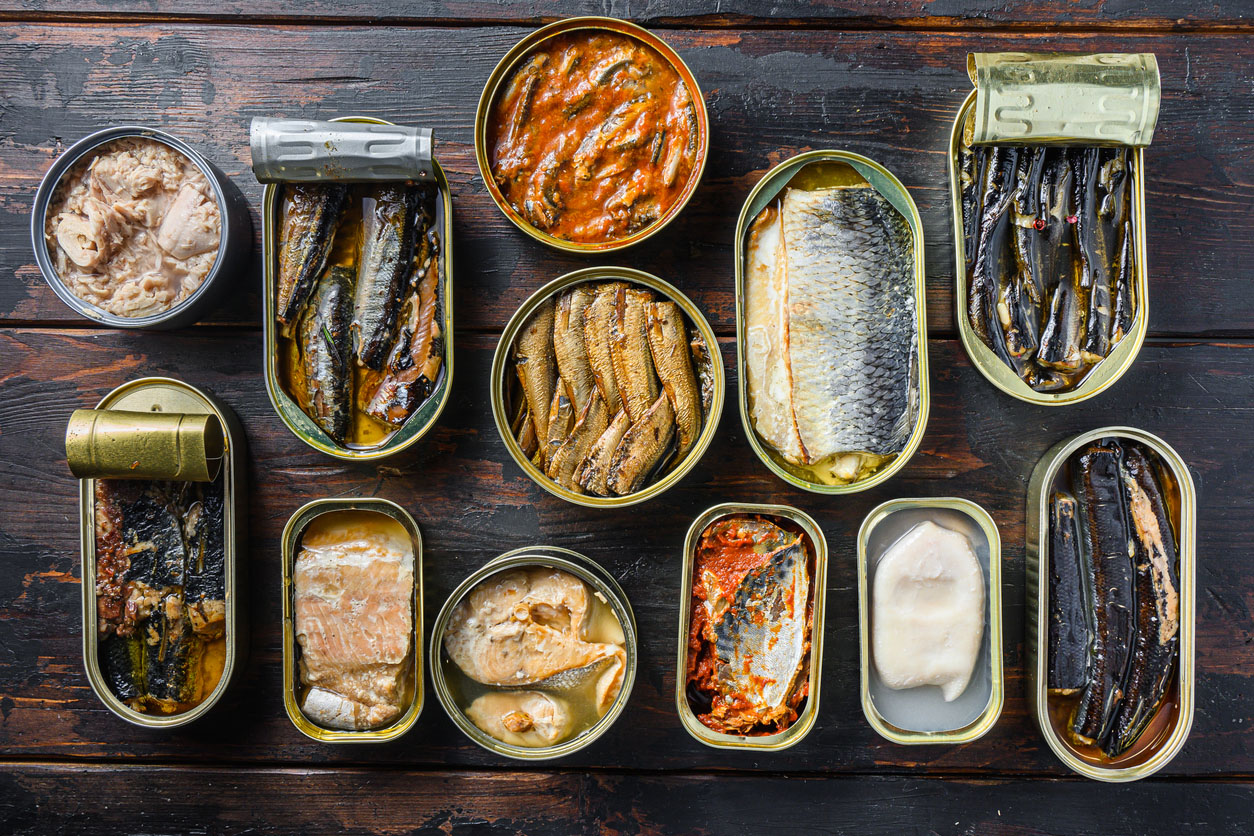
A: Having canned fish on hand is a great go-to for supplementing your protein needs. Not only is canned fish a good source of omega-3 fatty acids, sardines and salmon are two of the best sources of low mercury seafood—anchovies too. Another benefit of canned salmon is that it is typically wild caught, not farmed. Check the label to make sure, because farmed salmon is full of toxins like polychlorinated biphenyls (PCBs) which are linked to cancer and immune system issues.
Canned sardines with bones are a great source of calcium. The bones are so soft you can eat them. But don’t worry, skinless and boneless is still a good choice. Enjoy them right out of the can, or drained and accompanied with chopped onion, a little mustard and a small cucumber (Persian cucumbers are my favorite). Canned in water or olive oil would be the best choices, not soybean, often referred to as ‘soya’ oil, or other inflammatory oils like cottonseed or rapeseed oil. (I see rapeseed on some imported brands).
You can use canned salmon, substituting for tuna, to make a salad niçoise or a standard fish salad with good quality mayonnaise, chopped celery, and onion (optional). Salmon croquettes are a delicious hot meal option. Recently, a client told me she would mash canned salmon together with a ripe avocado and a little fresh lime or lemon juice and just eat it with a fork—a great source of good quality fats. Simple, satiating and delicious!
In warmer weather, or anytime at all, enjoy yet another version of salmon salad. Canned salmon is a great substitute in this recipe.
Make canned fish a staple in your pantry. When you’re low on provisions, it’s great to have for a quick and easy meal. Also, when you get around to restocking your canned goods, give anchovies and baby mackerel a try.
To your health!
Leyla Muedin, MS, RD, CDN