A “wrong turn” on Alzheimer’s?
Current highly-touted “breakthroughs” for Alzheimer’s target amyloid buildup in the brain with expensive “plaque-busting” drugs. They must be administered early in the course of disease (when it’s hard to make a diagnosis) to make a difference, and can cause brain swelling and bleeding, requiring careful monitoring. Drugs like Leqembi®️ don’t reverse the disease, but merely delay progression by a few months. They’ve been criticized as a wrong turn in research, while other, cheaper and more practical avenues of treatment have been sidelined by a “blindered” neuroscience establishment.
Earlier this year, I interviewed investigative journalist Charles Piller, who revealed group-think and deep-seated corruption in Alzheimer’s research as chronicled in his book, “Doctored: Fraud, Arrogance, and Tragedy in the Quest to Cure Alzheimer’s Disease.”
Incoming Director of the National Institutes of Health Dr. Jay Bhattacharya suggested that NIH research into the causes of Alzheimer’s could have progressed faster if not constrained by a single dominant narrative, and he wants to support research that includes scientific dissent and alternative theories.
Hence these . . .
Bitter is Better
Bitter herbs are a staple of botanical medicine. They are often celebrated for their ability to improve digestion. There’s even evidence that they may stimulate GLP-1 receptors, aiding satiety and facilitating weight maintenance; it turns out that there are bitter receptors, not just in the tongue’s taste buds, but within the intestine. Calocurb®️, for example, is said to harness the bitter qualities of hops to support weight loss.
A new review goes further, envisioning a role for bitter substances to counter Alzheimer’s Disease. Entitled “Breaking the vicious cycle: bitter compounds targeting metabolic defects and inflammation in Alzheimer’s disease” it proposes:
“Bitter compounds, a class of naturally occurring or synthetic compounds characterized by pronounced bitterness, are widely distributed in plants, animals, microbial metabolites, and foods. These compounds primarily mediate biological effects via the activation of bitter taste receptors (TAS2Rs), which were initially identified in lingual taste bud cells. Recent studies have confirmed the widespread expression of TAS2Rs in the brain and gastrointestinal tract. By functioning as immune sentinels, TAS2Rs reduce inflammatory cytokine release, preserve intestinal and blood-brain barrier integrity, attenuate systemic and neuroinflammation, and potentially hinder neurodegenerative progression. Additionally, bitter compounds modulate gastric emptying, influence satiety, and increase insulin and bile acid secretion, thereby improving insulin resistance and glucose-lipid metabolism.”
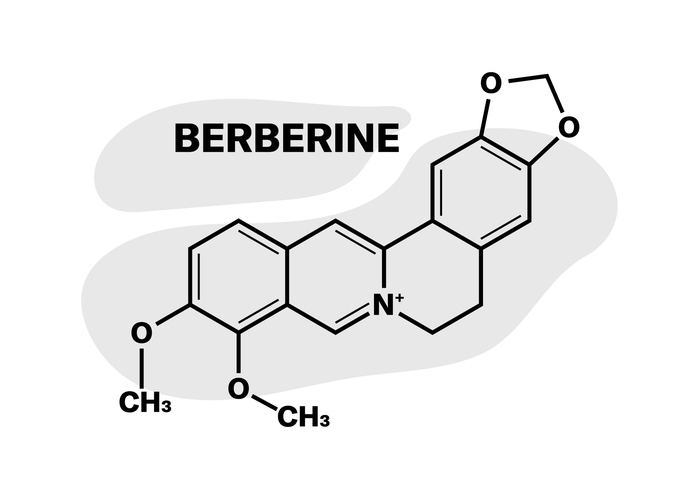
There are innumerable bitter alkaloids and flavonoids in nature, but the authors focus on berberine, touted for glucose control, and naringin, the bioflavonoid that puts the tang in grapefruit. They also consider a diabetes drug, metformin. I don’t know if you’ve ever chewed on a metformin tablet, but it’s very bitter.
All play a role in curbing elevated blood sugar but have a myriad of metabolic effects. The authors conclude:
“Bitter compounds, as common healthy compounds, can be used long term and have significant implications for intervention in the onset and progression of Alzheimer’s disease. Current research indicates that improving dietary strategies can regulate metabolism and reduce inflammation, thereby decreasing the likelihood of neurodegenerative diseases in elderly individuals.”
It’s not just berberine and naringin that deliver the power of bitter; so, too, do coffee, tea, beer, cocoa, muscadine grapes and Himalayan Tartary Buckwheat. All are richly endowed with plant alkaloids and/or flavonoids.
An inexpensive old drug may offer hope for Alzheimer’s
Lithium carbonate is a medication used since the 1950s for bipolar disorder. A new study has highlighted the role lithium might play in cognitive preservation. Lithium is coming to be recognized as an essential trace mineral for brain function.
It turns out that as plaque accumulates in the brain, it sequesters lithium, making it less available to faltering neurons. Lithium deficiency, in turn, hastens Alzheimer’s progression. Some studies have shown that pharmacological doses of the medication lithium carbonate can slow the progression of neurodegenerative changes. But sufferers of bipolar disease can attest to its side effects, which limit its utility.
The researchers discovered that the bipolar drug, lithium carbonate, is readily bound by amyloid, dampening its bioavailability; they then tested various other lithium salts and organic lithium compounds to see if they more effectively delivered free lithium to the brain.
Of all the forms of lithium tested, lithium orotate (LiO) performed the best:
“Treatment with LiO at a dose that maintains serum and cortical Li levels in the endogenous range prevents and reverses AD pathology, neuroinflammatory changes and memory loss in AD mouse models and ageing wild-type mice. An important limitation in the treatment of aged individuals with pharmacological doses of lithium is kidney and thyroid toxicity. It is encouraging that toxicity could not be detected following long-term treatment of aging mice with a low dose of LiO.”
Which opens up a practical and safe avenue of treatment for Alzheimer’s sufferers. Lithium orotate is already available over-the-counter and has been used without adverse side effects for decades in humans as a mild mood-enhancer. At such low doses, it doesn’t reverse bipolar symptoms, but it’s also without the side effects of the drug lithium carbonate.
Worth a try? Though not a panacea, if I were to be diagnosed with Alzheimer’s, or even its predecessor, Mild Cognitive Impairment (MCI), I’d be inclined to try lithium orotate. More studies in humans are likely to be fast-tracked to help us determine optimal dosages.
A Nod to Lifestyle
The ApoE4 allele is thought to be strongly predictive of Alzheimer’s risk, especially when present as a double-hit (homozygous). A pair of studies presented at last month’s Alzheimer’s International Conference in Toronto explored the impact of lifestyle interventions on this at-risk population.
In one, a group of older subjects, some with the ApoE4 genetic variant, were followed for ten years while charting their daily walking distances. Walking conferred protection against cognitive decline in all participants; while ApoE4 carriers still experienced more rapid progression toward dementia than non-carriers, walking had a greater impact on their rate of decline.
NBC News reported:
“A 10% higher amount of self-reported walking was associated with a 4.7% increase in complex thinking performance over time in women and a 2.6% increase in men.”
In a second study, a combination of brain-training, an exercise program, and dietary counseling slowed cognitive decline in a group of seniors.
As with the first study, there was about a fourfold greater benefit in those who were positive for APOE4—the very subjects most likely to get Alzheimer’s!
Diet for Parkinson’s?
When it comes to medical progress against neurodegenerative disease, Parkinson’s Disease is faring even worse than Alzheimer’s. There are currently no new blockbuster drugs in the pipeline for Parkinson’s.
But a small pilot study suggests diet may ameliorate symptoms and delay progression of Parkinson’s.
A press release from the Hilfgott Institute at the National University of Naturopathic Medicine in Portland heralds:
“A Mixed Methods Feasibility Study of a Ketogenic Diet as Treatment for Parkinson’s Disease, published in Frontiers in Nutrition journal on July 23, presents promising data on the power of food as medicine and the unique role nutrition can play in treating neurodegenerative diseases.”
The theory is that inefficient energy production in centers of the brain governing movement is at fault in Parkinson’s; revving tired, inefficient mitochondria might “reawaken” sluggish neurons, restoring their ability to make dopamine.
The brain normally relies on glucose for fuel, but under conditions of prolonged fasting, or with profound carbohydrate restriction, ketones take over. Ketones may be a more reliable energy source for stressed mitochondria, which are thought to be prevalent in brain disorders.
Hence the rationale for the ketogenic diet in treatment of drug-resistant seizure disorders, and most recently, Alzheimer’s, schizophrenia, obsessive-compulsive and bipolar disorders, and even depression and anxiety. Metabolic psychiatry has emerged as a promising avenue of non-pharmacological treatment.
In the most recent pilot study, a small group of patients with Parkinson’s Disease adhered to a strict ketogenic diet, consisting of 80% of calories from fat, 15% from protein and only 5% from carbohydrates for a period of 12 weeks. The diet excluded dairy, because some previous studies had suggested an adverse impact on Parkinson’s Disease.
8 of 12 participants experienced improvements in motor function, quality of life, dynamic balance, and self-reported freezing behaviors. The diet was tolerated and no harmful impacts were noted, other than modest weight loss; no adverse changes were seen in cholesterol or triglycerides.
Larger confirmatory trials are clearly needed, but this study may offer hope to motivated Parkinson’s suffers and their families.
Intelligent Medicine has reached out to the lead author of the study, Heather Zwickey, PhD to discuss her research and her book, “Eating Better for Parkinson’s: A Nutritional Starter Guide”..
Stay tuned for an upcoming podcast on this exciting topic!