Q: I’ve heard that consuming dietary oxalates can increase the risk of kidney stones. Is this true? And if so, what foods should I consider limiting or avoiding?
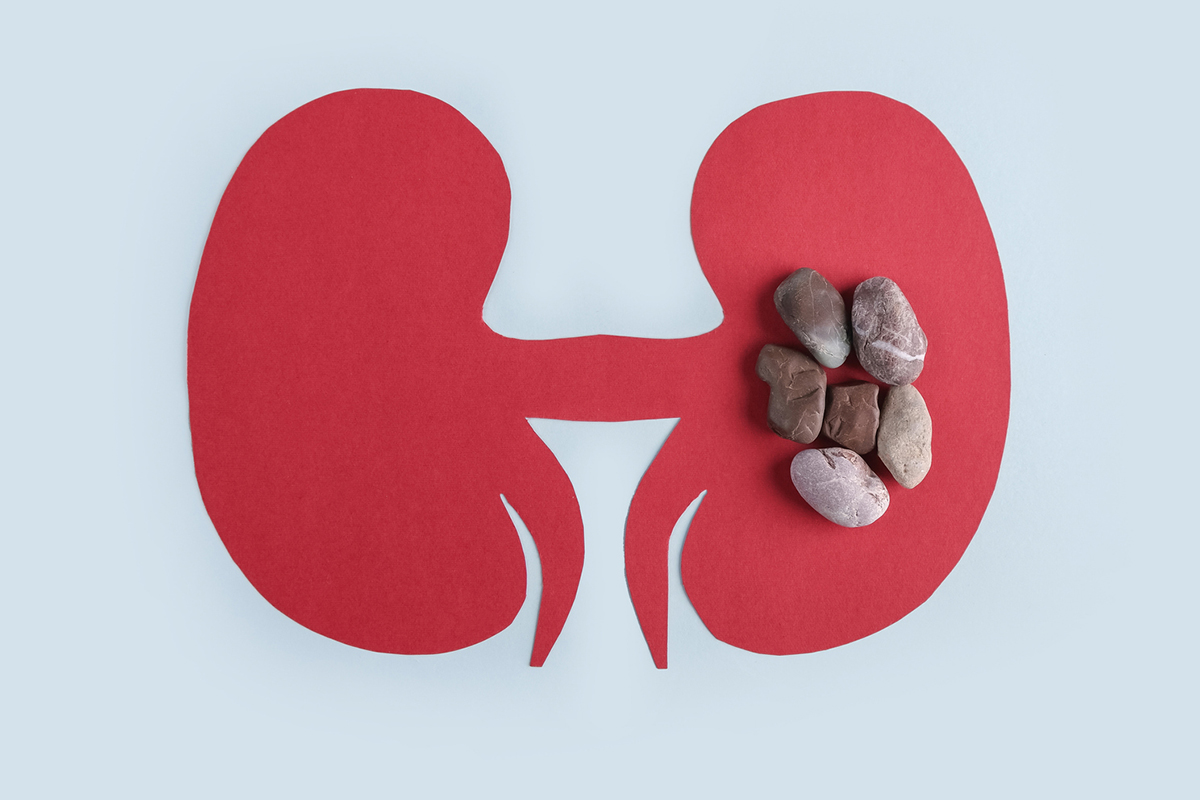
A: For those who have had kidney stones, a low oxalate diet is indicated. It’s helpful to explore the constellation of circumstances that may contribute to kidney stones because each person’s situation is different.
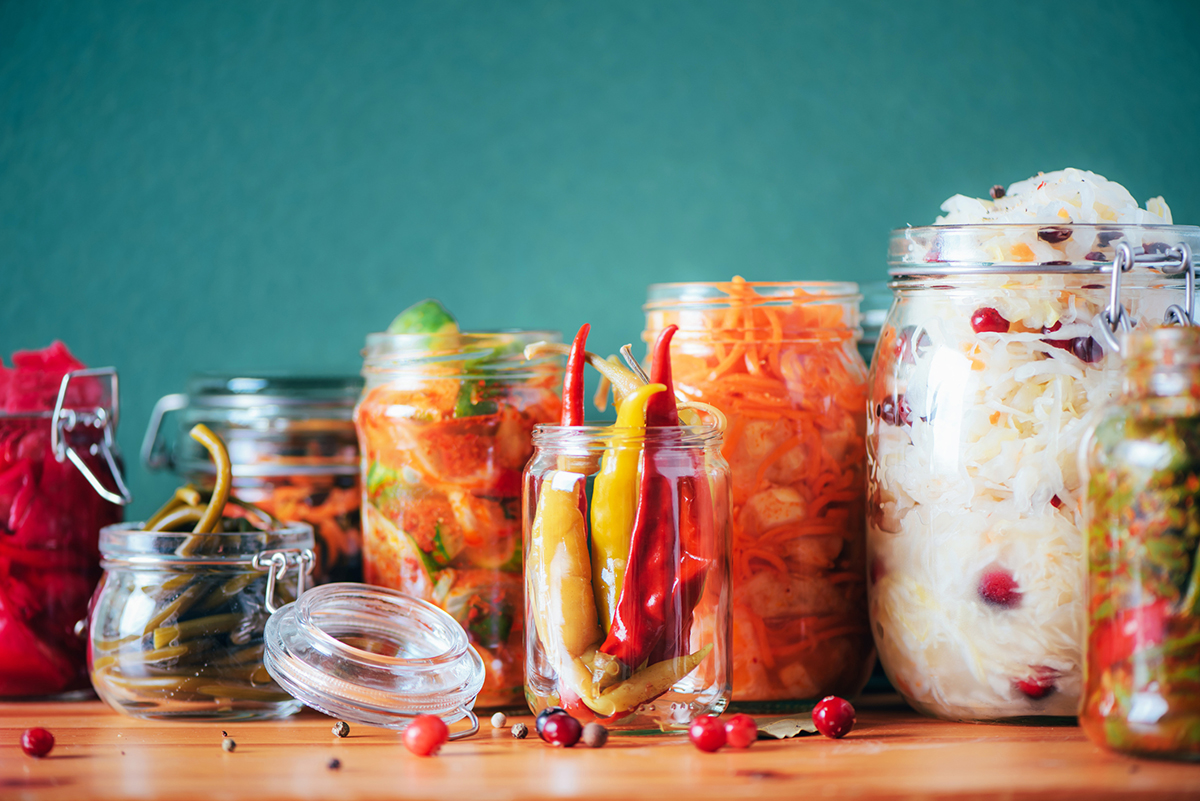
A healthy microbiome efficiently metabolizes oxalates contained in foods. The microbiome is adversely impacted by a history of antibiotic use, poor diet and toxic exposures among other things. If the gut is lacking in beneficial Oxalobacter formigenes which is fed and supported by other beneficial bacteria such as Lactobacillus and Bidfidobacteria, the metabolism of dietary oxalates is poor, and this may set the stage for the development of kidney stones. These friendly critters are often suppressed in the setting of an unbalanced microbiome.
As far as consumption of dietary oxalates increasing risk of kidney stone formation, I do have an interesting case study of a young, otherwise healthy woman I met recently. She developed a kidney stone for the first time a couple of years ago (it was so big it had to be removed via lithotripsy). Her diet for many years prior had been healthy and included spinach (almost daily—cooked or in a smoothie) and nuts. As a reference, here’s a list of the highest oxalate foods, many of which she would eat on an almost daily basis:
- Rhubarb
- Spinach
- Beets
- Almonds
- Tofu
- Pecans
- Peanuts
- Okra
- Chocolate
- Collard greens
- Sweet potatoes
With the exception of rhubarb, okra, and maybe collard greens, most of these were staple foods in her diet. Now can I say with scientific certainty that eating these high oxalate foods for years is what caused her lone kidney stone? No. Are there other contributing factors to consider as part of a comprehensive assessment? Absolutely. However, I did advise her to avoid these foods going forward—especially spinach and nuts, which she ate the most.
To your health!
Leyla Muedin, MS, RD, CDN