Q: My daughter had gastric bypass surgery five years ago. She now suffers from gastric reflux and she believes she will have to keep taking proton-pump inhibitors for life. What could she use for an alternative?
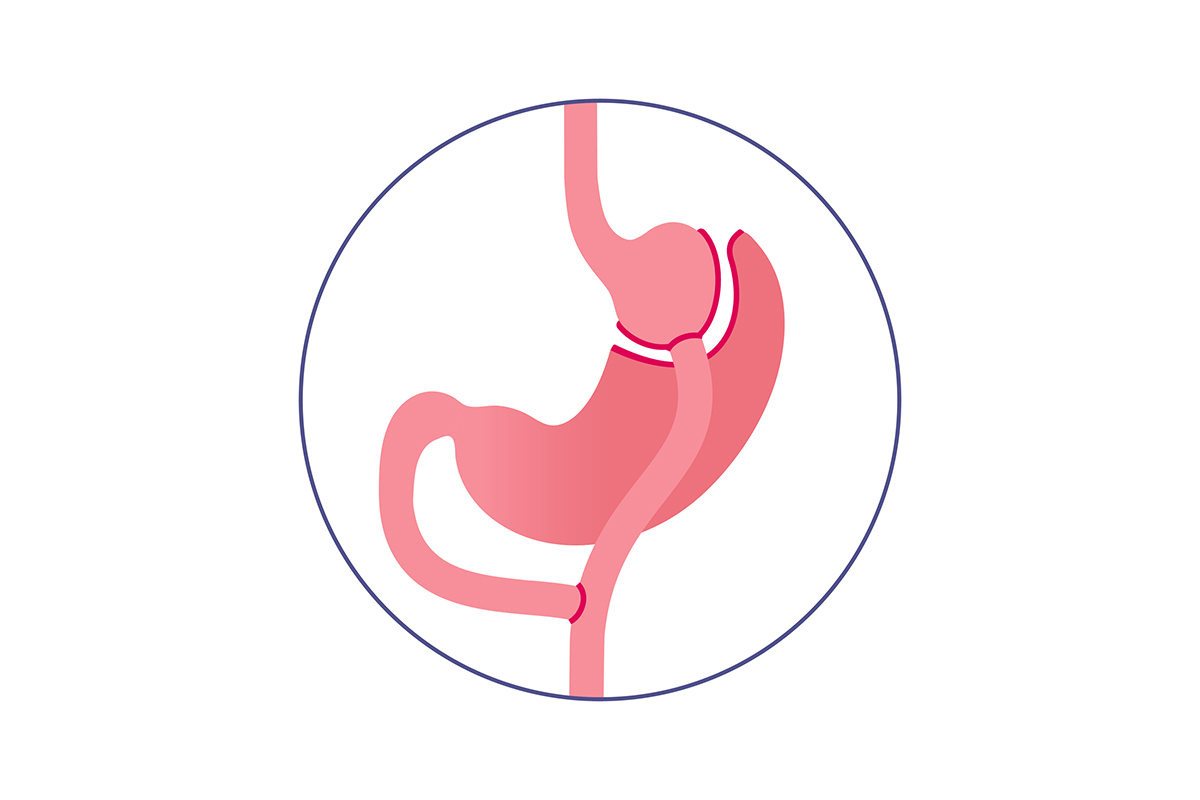
A: The gastric bypass, known as the Roux-en-Y, is the most common type of bariatric surgery for weight loss. Essentially the stomach is shortened to a small pouch, bypassing the rest of the stomach and connecting the pouch to the middle of the small intestine. Typically, the stomach can hold up to three pints of food. The Roux-en-Y shortens the stomach to the size of a walnut, holding about an ounce of food.
Gastric bypass comes with a host of side effects that require follow up assessment of health status. Since your daughter’s surgery was five years ago, she is past the immediate complications of bleeding, infection, and possible leakage issues from the bypass.
Longer term effects of this procedure include micronutrient deficiencies leading to anemia, possibly osteoporosis and gallstones from any rapid weight loss. Other issues are strictures, causing a narrowing of the connection between the stomach and small intestine which may lead to nausea, vomiting and trouble swallowing. Subsequent reflux may ensue as is the case with your daughter.
For treating acid reflux, smaller portions and more frequent meals are indicated—same as with gastric bypass. Removing offending foods that can further exacerbate reflux is helpful. A qualified nutritionist can help your daughter in this endeavor, reducing the need for more medication to relieve symptoms.
To your health!
Leyla Muedin, MS, RD, CDN