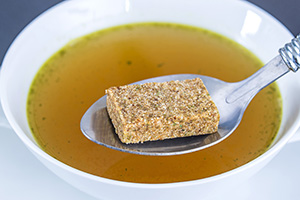
You’ve likely heard about monosodium glutamate (MSG) as being associated with Chinese food. What you may not know is it’s much more prevalent in processed foods than once thought. MSG, along with other flavorings, lends a meat-like taste to foods such as soups and sauces, hitting our umami tastebuds. It’s in bouillon cubes, for example.
MSG can cause a myriad of problems including headache, GI distress, ADHD, allergic reactions, and seizures. We can now add another insult to this list: weight gain. According to animal studies, MSG appears to cause injury to the hypothalamus, the part of the brain that controls appetite and the endocrine system (i.e., your thyroid). As a matter of fact, scientists are able to induce obesity in laboratory animals by feeding them monosodium glutamate.
MSG is also associated with gastrointestinal symptoms such as cramps, gas and bloating, nausea, diarrhea, irritable bowel syndrome (IBS) and gastroesophageal reflux disease (GERD). I find it both interesting and concerning that I’m seeing more and more such cases in my practice. While we know there can be a myriad of reasons for these symptoms, many are helped with the elimination of MSG from their diets. For those who eat out frequently, however, this is much harder to do.
So where does MSG lurk? If you see ingredients such as hydrolyzed protein, sodium caseinate or calcium caseinate, autolyzed yeast or yeast extract and carrageenan, be warned that these are definite sources of MSG. You can also be suspicious of the following language on food ingredient labels: “spices,” “flavorings,” or my personal favorite, “natural flavorings.”
Some likely sources of MSG are: Canned and dehydrated soups, commercial salad dressings, soy foods, frozen dinners, bottled sauces, marinades, sauce mixes and adobo seasoning.
So, if you’re trying to lose a few pounds or just trying to maintain your weight, buyer beware.
To your health!