Q: In a recent podcast, you expounded on the negative effects of fructose. How does it compare to table sugar? Do they have different impacts on health, and if so, why? Aren’t they both “sugar”?
A: While fructose and sucrose (table sugar) may taste the same and provide roughly the same amount of calories, the way each is utilized by the body is different.
Fructose is a monosaccharide sugar found in fruits, honey and vegetables and is often added to a multitude of juices and soft drinks as fructose, or high fructose corn syrup. The metabolic pathway for fructose is different and it’s not the preferred source of energy for the brain and muscles.
Fructose is metabolized in the liver and more lipogenic (fat-producing) than glucose. It also doesn’t require insulin for its metabolism or stimulate leptin—an important satiety hormone. That’s why drinking fruit juice or soda isn’t filling—yet we’re getting all those calories. Fructose intake from these sources is a known contributor to non-alcoholic fatty liver disease (NAFLD).
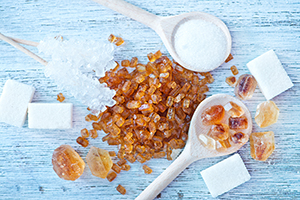
Sucrose, commonly known as table sugar, usually comes from sugar cane or sugar beets and is made up of both glucose and fructose, making it a disaccharide. Upon consumption, enzymes separate the two monosaccharides so they can journey through their specific metabolic pathways. Glucose is the preferred source of energy for the brain and muscles and requires insulin for utilization by cells for energy and glycogen storage in the liver. Any excess glucose will be stored as fat.
All in all, both fructose and sucrose are sugars that, when taken in excess, will increase triglycerides, visceral fat stores—adding inches to your waistline, and transform LDL cholesterol to smaller, denser and more atherogenic particles, contributing to coronary artery disease.
To your health!