Q: What should my blood sugar reading be?
A: I am going to assume you mean fasting blood sugar because this is what most doctors check first to determine any abnormalities.
Generally, the normal range for fasting blood sugar, depending on the lab you’re using (there are only small discrepancies between labs) is between 65 mg/dl and 100 mg/dl. However, if you have a fasting blood sugar at the high end of normal, say anywhere in the 90s, this warrants a more comprehensive workup which includes a glucose tolerance test (GTT) to rule out prediabetes, metabolic syndrome, insulin resistance, hyperinsulinemia and diabetes. All these conditions can be defined as varying degrees of carbohydrate intolerance.
Unfortunately, most doctors don’t find a GTT is necessary because a fasting blood sugar in the nineties is still within the “normal range.”
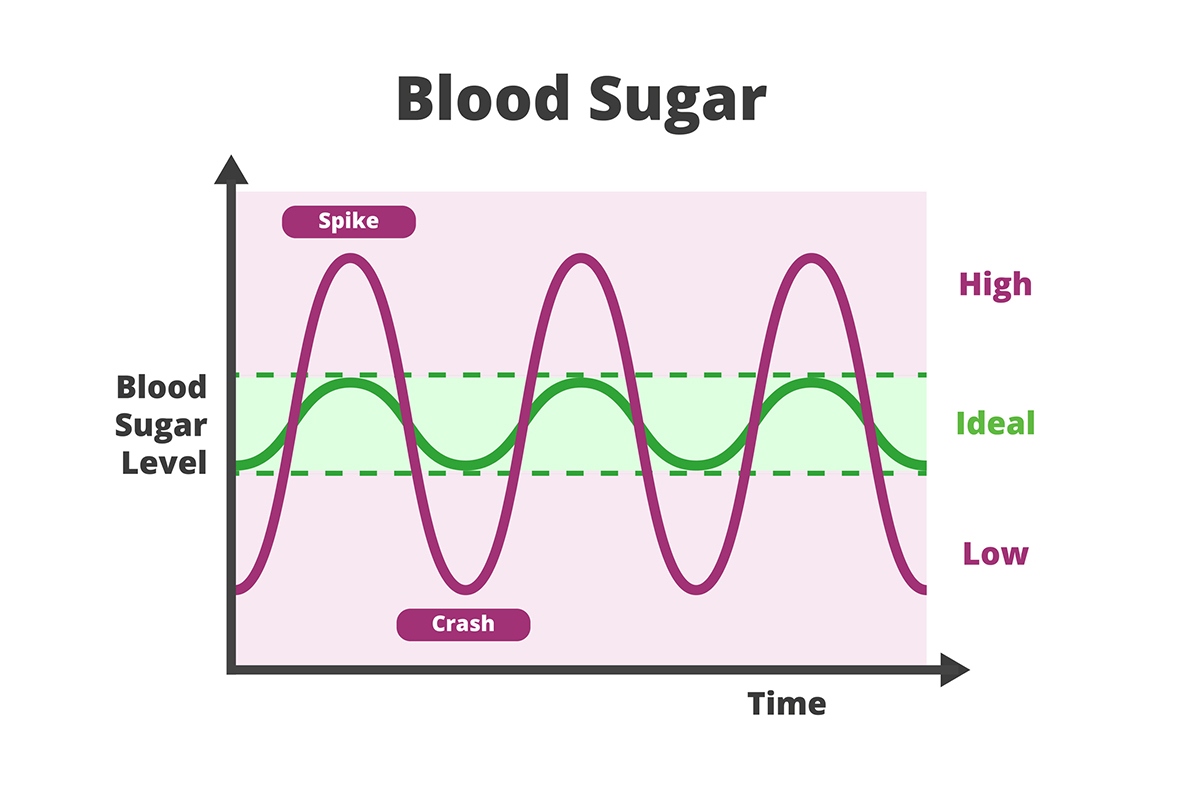
Not to complicate matters, but a fasting blood sugar anywhere within the normal range doesn’t mean everything’s hunky dory. For example, it cannot diagnose unstable blood sugar or reactive hypoglycemia properly, let alone any of the conditions listed above. Indeed, a low fasting blood sugar does not necessarily indicate reactive hypoglycemia—especially if the person is in ketosis (fat-burning metabolism).
We often find unstable blood sugar and prediabetes in patients who have undergone the GTT even when their fasting blood sugar is completely normal.
As you can see, a fasting blood sugar is not enough information. But the GTT will reveal the progression to diabetes much earlier than a mere fasting blood sugar. In fact, a properly administered GTT will reveal all blood sugar and insulin abnormalities that many are found to have.
Be aware that certain conditions and medications can also raise blood sugar levels. Trauma, fever, surgery, illness and infection, along with corticosteroids like prednisone and statins such as Lipitor, can raise blood sugar levels—especially in women.
Next week I’ll tell you a tale of two tests for blood sugar. Stay tuned!
To your health!