For those who seek, in politics, a perfect embodiment of their ideals, it’s not going to happen. Never did, never will. And so it is with MAHA. If you’re uncritically cheering the Administration’s every move—or reflexively opposing everything it’s doing—you’re missing the plot.
“Make America Healthy Again” promises an overdue revolution in how we administer health care, by addressing root causes of disease. But MAHA has a lot of headwinds to overcome. Missteps are inevitable with such a huge and amorphous undertaking. And views vary wildly on what “healthy” means, and what system best furthers it. Scarcely a year in, I offer this report card on MAHA.
Appointments: GOOD.
As I discussed early last year, the appointments of Drs. Marty Makary, Jay Bhattacharya and Mehmet Oz put articulate advocates for health reform in charge of key agencies. Brooke Rollins at USDA and Lee Zeldin at EPA, while trying to keep step with MAHA, may be more conflicted because of ties to industry interests. CDC now has “acting director” Jim O’Neil after a rancorous Administration policy clash with his predecessor, Susan Monarez, led to her departure.
The most problematic position has been Surgeon General. Dr. Janet Nesheiwat withdrew after concerns arose over her qualifications and vaccine orthodoxy; Dr. Casey Means met criticism from the medical community because she relinquished her surgical training to become a popular health influencer. Amid the controversy, she gave birth last fall, and the nomination has been placed on hold. We could use someone more experienced and widely respected to become America’s top doc.
Dietary Guidelines: GOOD.
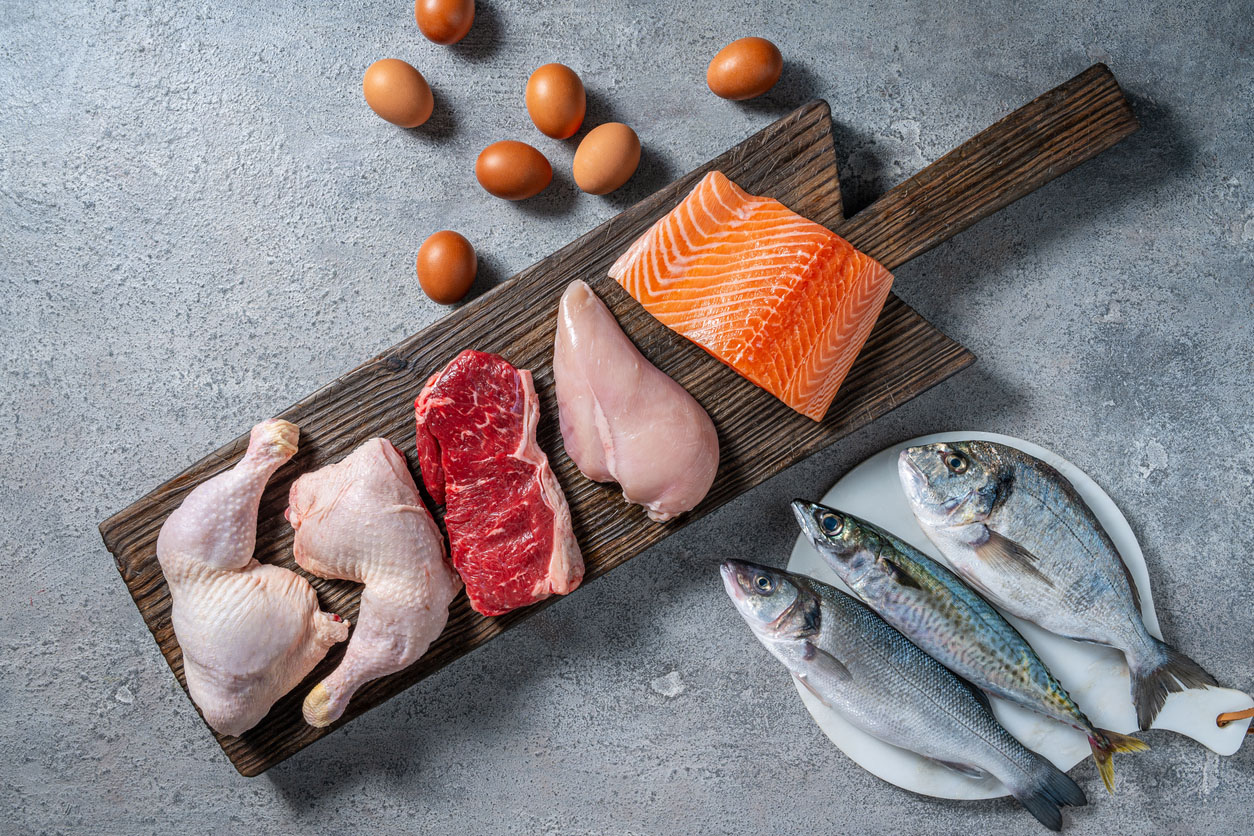
After decades of wrong-headed adherence to the obsolescent low-fat paradigm, the USDA finally literally flipped the Diet Pyramid on its head. Nary a packaged food to be seen. The previous Dietary Guidelines Advisory Committee was stalled by analysis-paralysis, unable even to unequivocally condemn ultra-processed food, and riven by conflicts of interest. Instead, the new Guidelines are concise and understandable: more protein, fewer refined carbs, and avoidance of artificial ingredients. They throw down the gauntlet to Big Agriculture and Big Food.
Even the staunchly Progressive New York Times had to concede to its Trump-averse readers: “Kennedy Is Telling Americans How to Eat. It’s Not Crazy Advice”.
An internal contradiction remains: While exonerating animal protein, including full-fat dairy, meat, poultry and eggs, the new Guidelines still hew to the outmoded recommendation that “saturated fat should not exceed 10% of total daily calories.”
Who cares anymore what the government recommends? We’ve learned to ignore government guidelines for years, eating what we know to be healthy anyway. But this is a big deal—it impacts billions of dollars of government outlays for schools, VA hospitals, food assistance programs, and military commissaries.
SNAP Reform: EXCELLENT.
State initiatives, encouraged by the Trump Administration, are seeking to rein in abuse of SNAP benefits to buy unhealthy food and soft drinks:
“USDA is empowering states with greater flexibility to manage their programs by approving SNAP Food Restriction Waivers that restrict the purchase of non-nutritious items like soda and candy. These waivers are a key step in ensuring that taxpayer dollars provide nutritious options that improve health outcomes within SNAP.”
Food Additives: FAIR.
Efforts are underway to eliminate harmful artificial dyes and food additives from the food supply, in line with bans in other Western industrialized countries. In April, The U.S. Department of Health and Human Services and U.S. Food and Drug Administration (FDA) announced a series of new measures to phase out all petroleum-based synthetic dyes from the nation’s food supply.
Individual states have sought bans, but some have been blocked by intransigent judges. Meanwhile, major retailers like Walmart have tried to get ahead of the problem by promising elimination of certain dyes and additives in their store brands.
A sticking point are current GRAS regulations, which permit food manufacturers to self-certify that that all manner of problematic novel food ingredients are “generally recognized as safe.” RFK Jr. has proposed rescinding the GRAS loophole, but that would threaten many supplement ingredients, too; a solution has been proposed by my organization, the Alliance for Natural Health.
Environmental Chemicals: FAIL.
There’s an inherent contradiction between the precautionary principle advocated by MAHA and the laissez-faire propensities of traditional Republicans. It’s schizophrenic for the Trump Administration to prioritize safety on the one hand, while calling for deregulation to unleash domestic industry. The result has been some disenchantment by MAHA stalwarts.
For example, the U.S. Solicitor General is appealing to the Supreme Court to shield Bayer from liability for glyphosate harms amid a torrent of lawsuits. There’s also been a relaxation of restrictions on PFAS—“forever chemicals”—with a host of documented health and reproductive harms.
Meanwhile, President Trump cheerfully announced last year that “plastic is back”, rescinding bans on plastic straws that contribute to the worldwide burden of microplastics that are infiltrating our soils, waterways, and bodies.
Regenerative Agriculture: GOOD.
In December, the USDA announced a $700 million grant to “help American farmers adopt practices that improve soil health, enhance water quality, and boost long-term productivity, all while strengthening America’s food and fiber supply.” It’s a start.
Global Cooperation: FAIR.
In an effort to assert our sovereignty amid a globalist health agenda that dictates vaccine requirements, draconian animal protein restrictions, climate alarmism, and restrictive regulations on supplements, the U.S. withdrew from the World Health Organization, prompting indignation from advocates of international cooperation to counter health emergencies. True, we need to maintain U.S. autonomy, but we also can’t go it alone in an increasingly interconnected world.
Vaccines: FAIR.
In what is undoubtedly the third rail of health policy, the Administration rolled back some vaccine requirements for kids. That leaves America’s health establishment bitterly divided over vaccines. It’s true that the ever-expanding retinue of vaccines tots are exposed to may have incalculable effects on their immune systems; at the same time, solid research and better communication is needed to restore Americans’ confidence after the Covid vaccine fiasco.
Health Coverage for Americans: POOR.
When some Americans cheer the assassination of one of America’s foremost health insurance company CEO’s, we know we have a problem. Americans are fed up with confusing eligibility, soaring premiums, rampant fraud, irrational denials, and increasingly fragmented and depersonalized health care. Obamacare handed the keys to the kingdom to big healthcare company middlemen, who are enriching themselves at Americans’ expense.
President Trump has proposed bypassing insurers altogether to enable Americans to access care directly, with transparent and competitive pricing. But that plan is amorphous, with no plausible legislative vehicle to enact it. Democrats are banking on the prospect of public sticker shock when Obamacare subsidies aren’t renewed, juicing a mid-term election comeback to a House majority.
Censorship of Truthful Information: POOR.
While pledging a commitment to transparency, the Administration has stalled efforts to permit truthful claims about the health benefits of foods and supplements. The science abounds, and Americans deserve access to valid information about the preventive and curative effects of natural products, which remain relegated to “structure-function claims”, while drug companies regale us with deceptive pharmaceutical ads.
Drug prices FAIR.
Trump jaw-boned pharmaceutical executives into reducing prices for a select assortment of drugs, including popular weight loss meds. He’s also trying to level the playing field with European countries that deeply discount medications for their citizens.
But, from what I know of BigPharma, they’re brilliant at shoring up value for their stockholders; while making some concessions on popular drugs nearing the end of patent protection, they’re revving the pipeline for new, more profitable nostrums.
Drug Supply Chain Security: GOOD.
As Covid painfully illustrated, our national security is endangered by off-shoring of pharmaceutical and medical equipment manufacture. An initiative to rebuild our domestic medication production is overdue and is now—albeit fitfully—underway. The downside for supplement consumers is that restrictive tariffs may reduce availability and hike prices for certain imported products.
Hormones: EXCELLENT.
Dr. Marty Makary at FDA has inveighed against “medical groupthink”. To this end, he’s rescinded black box warnings on women’s HRT products that discouraged patients from taking them and doctors from prescribing them; more of the same on behalf of men allows less stringent restrictions on testosterone. Moreover, faced with a ban on natural thyroid replacement drugs, millions of users were reassured that their continued access won’t be impeded.
Marijuana and Hemp Products: POOR.
President Trump signaled willingness to further research on medical marijuana by descheduling it; some see that as a sop to the booming pot industry and a bad signal to young Americans increasingly relying on getting high, heedless of the hazards of marijuana. Meanwhile, hemp regulations remain a muddle, impeding access to less harmful non- or low-THC cannabinoids like CBD.
Medical Research: FAIR.
When Dr. Jay Bhattacharya took the helm of the National Institutes of Health, there were some missteps: For example, in a misguided effort to expunge “Woke”, grants were canceled for studies using transgenic mice; they’re a research staple, not an effort to promote gender-affirming care for “transitioning” rodents! All the same, there’s lots of trendy, superfluous research clogging the NIH. Young innovative researchers are crowded out by conformist senior scientists. And emphasis on root-causes of disease is lacking. Still, chaos reins in some university labs while grants are being pulled, impeding important research. There’ll be some pain until this is sorted out.
Physician Crisis: POOR.
There’s a looming critical shortage of doctors. While Elon Musk claims that within five years your surgeon will be a robot, robo-caregivers, AI efficiencies and armies of physician extenders will only prove temporary band-aids.
Doctors are struggling under decreasing reimbursement, staggering malpractice insurance and liability burdens, onerous recertification requirements, bureaucratic demands, and loss of autonomy. Capping loans for medical school will constrict the pipeline of new physicians; talented foreign grads may have more problems with increasingly stringent visa and residency requirements.
Meanwhile, RFK Jr. has talked up an initiative to compel medical schools to teach nutrition to doctors-in-training but is soft on follow-through. Med school administrators may well reason that they can outlast MAHA by dragging their feet.
In 2026, we’ll keep tabs on MAHA and bring you news of developments. Meanwhile, source ANH-USA.org for timely updates.