Eliminate Fiber for Constipation?
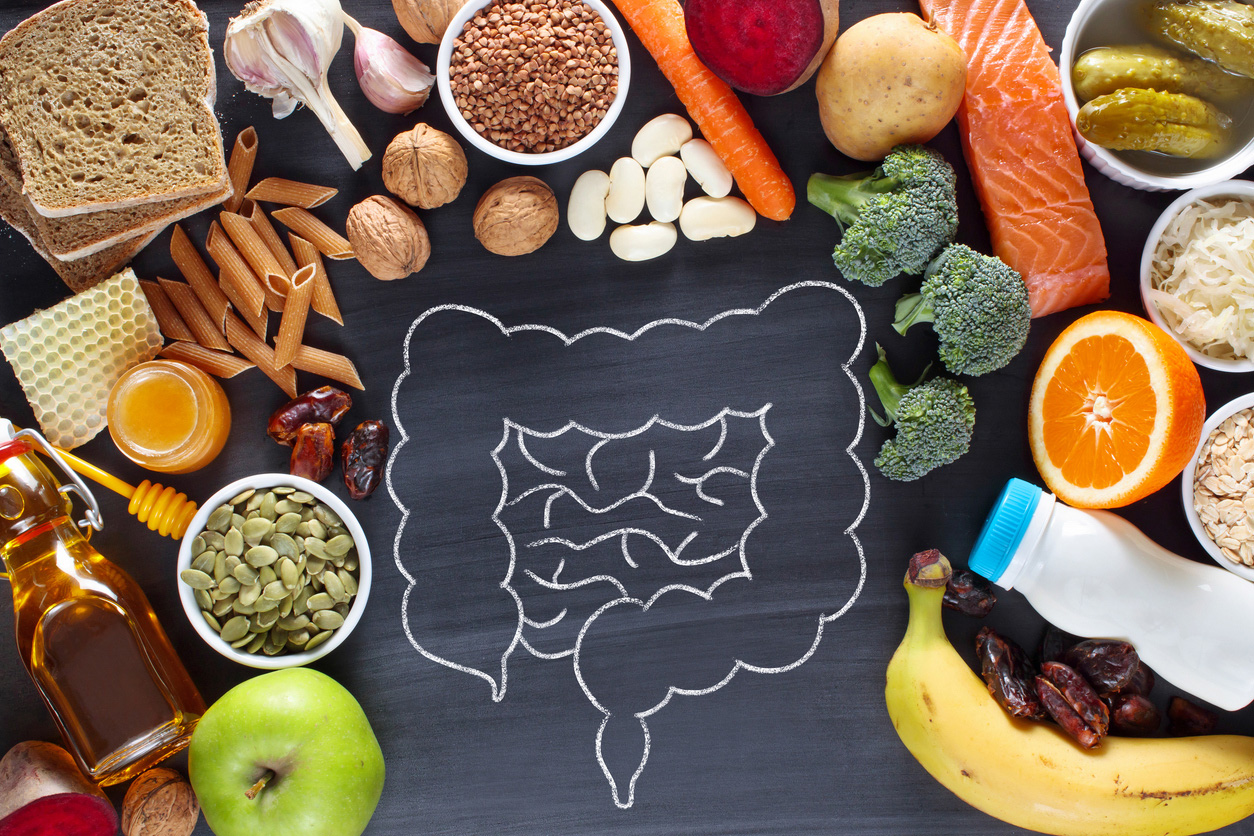
So often, the first-line recommendation for people with constipation is to “eat more fiber”. In fact, constipation is rare among indigenous tribes whose fiber intake far exceeds that of inhabitants of industrialized countries.
Denis Burkitt, an Irish colorectal surgeon who took a sabbatical to Africa to study why natives had negligible rates of diverticulitis and colon cancer, launched a fiber revolution with his discovery that traditional Sub-Saharans ate fourfold more fiber than Westerners and produced frequent, voluminous bowel movements.
We’re often chastened that we don’t get enough fiber, and we’re encouraged to eat more fresh fruits and vegetables, grains, and legumes. As a shorthand, people are encouraged to gobble Metamucil®️ as a panacea for constipation.
But my nutritionist Leyla Muedin and I have discovered, counterintuitively, that many of our patients with chronic constipation simply get more bloated when they consume more fiber; for many, it’s not a fix.
I recently read an “X” post from staunch carnivore influencer Dr. Sean Baker (@SBakerMD) that recounted his experience while traveling in Europe. Eager to partake of local delicacies, he deviated from his all-meat diet to include liberal samplings of pasta, cheese and vegetables. “I developed the worst case of constipation!” he declared.
I don’t agree with Baker that the Carnivore Diet is ideal for everyone, but there’s some substantiation for the notion that dietary fiber isn’t invariably a fix for constipation.
Another of my favorite influencers, Nina Teicholz, shares a study on “X” that she claims, surprisingly, is the only real-world trial of the impact of diet on constipation, a 2012 study in the World Journal of Gastroenterology.
Sixty-three patients with idiopathic constipation were instructed to go on a no-fiber diet for 2 weeks. They were then urged to remain on as low a fiber diet as feasible. The vast majority had substantial relief from constipation and bloating, with more frequent, regular bowel movements. Those who reverted to a high-fiber diet for religious reasons or personal preference, by contrast, experienced a resumption of their constipation and bloating.
Fiber may not always be the answer. Instead, it may be the microbial content of the intestine—the microbiome—that governs normal peristalsis and elimination. For some, plentiful plant fiber may serve as a pre-biotic, nourishing a healthy community of intestinal bacteria.
But fiber can backfire. Gobs of bread or pasta, for example, even the whole grain kind, can deliver gliadorphins which mimic opiates in their constipating effect.
Alternatively, proliferation of certain methane-producing bacteria, Archaea species, may inhibit peristalsis. Starving them through dietary manipulation, even by subtraction of certain high-fiber foods traditionally associated with laxative benefits, may help some sufferers.
The fiber dogma is yet another example of how Groupthink can permeate medicine and nutritional science to the detriment of patients.
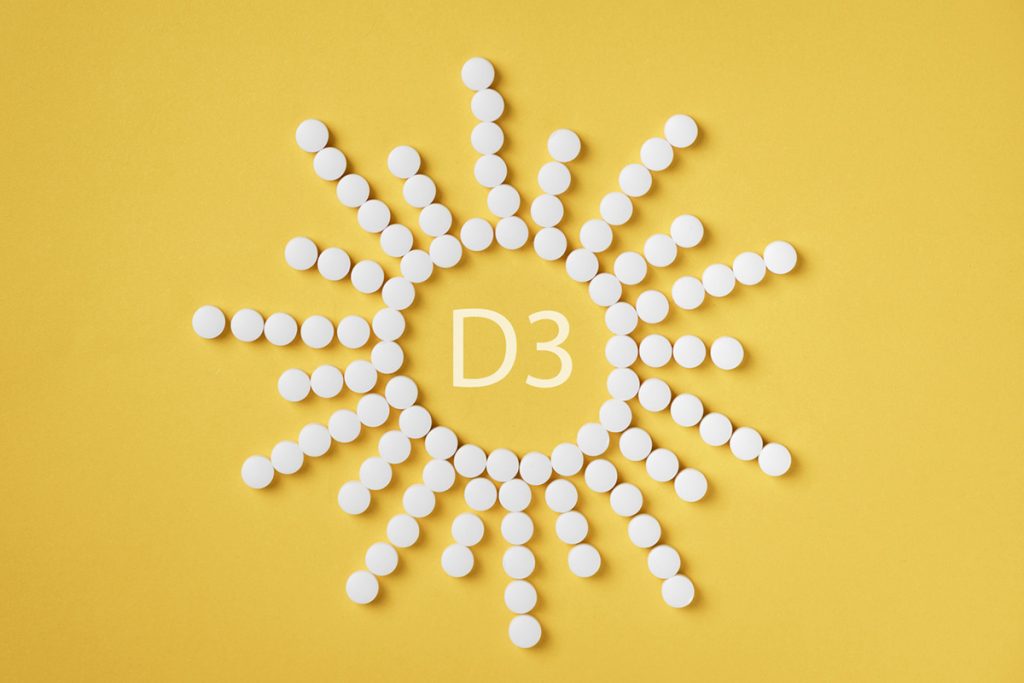
Are you taking the wrong kind of vitamin D?
Did you know that there are two types of vitamin D supplements—vitamin D2 (ergocalciferol) and vitamin D3 (cholecalciferol)?
They are thought to be interchangeable. Ergocalciferol is made by irradiating mushrooms with UV light; like people, they “tan” and produce vitamin D. Cholecalciferol is derived from the rich waxy lanolin “waterproofing” in sheep’s wool.
I’ve long recommended that people take D3, in the belief that it is somewhere around 50% more bio-available than D2. If that were the sole knock on ergocalciferol, one could simply take more of the D2 version and get comparable results. But there’s more to the story.
Some dyed-in-the-wool (excuse the pun) vegans prefer D2 because, not only do they not eat meat and poultry, or even wear leather, but they also prefer to eschew any product derived from what they view as animal exploitation, for ethical reasons.
Most over-the-counter supplements contain D3, but many prescription forms of vitamin D deliver ergocalciferol. For example, Drisdol, a high-dose formulation of D (50,000 IU) designed for short-term weekly administration to rapidly restore D levels in seriously-deficient patients, is ergocalciferol. Frequently, hospitals stock mostly the D2 kind.
Why It Matters
A recent review (“The case against ergocalciferol (vitamin D2) as a vitamin supplement”) summarizes:
“Pharmacopoeias have officially regarded these two forms as equivalent and interchangeable, yet this presumption of equivalence is based on studies of rickets prevention in infants conducted 70 years ago.”
The authors argue:
“The case that vitamin D2 should no longer be considered equivalent to vitamin D3 is based on differences in their efficacy at raising serum 25-hydroxyvitamin D, diminished binding of vitamin D2 metabolites to vitamin D binding protein in plasma, and a nonphysiologic metabolism and shorter shelf life of vitamin D2.”
Their verdict: “Vitamin D2, or ergocalciferol, should not be regarded as a nutrient suitable for supplementation or fortification.”
Even More Reason to Take D3
Now a new study provides additional justification for preferring D3.
Researchers at the University of Surrey, UK, performed a meta-analysis of 11 previously published, randomized-controlled trials on vitamin D supplements, with a total of 655 participants.
They found that D2 supplementation actually lowered levels of body-ready vitamin D3. In many of the studies, the vitamin D3 levels were lower in people taking vitamin D2 than they were in control groups not taking any vitamin D supplements!
This is a never-before reported finding. Moreover, new research suggests D3 and D2 may have qualitatively different impacts on immunity. The D3 kind is said to uniquely stimulate the body’s interferon defense system, that provides a bulwark against bacterial and viral infections.
With winter coming, and the threat of seasonal illnesses looming, it behooves health authorities to make sure that the millions of Americans at risk for vitamin D insufficiency have access to the reliable, preferred source—vitamin D3.
For strict vegans, there’s still hope. Vegetology touts a form of vitamin D3 derived entirely from lichens.
Don’t forget magnesium!
And while we’re on the vitamin D theme, here’s why it’s important to take magnesium along with vitamin D:
Did you realize your body can make vitamin D? This defies the definition of a vitamin—an essential compound which the body cannot synthesize, and which must be sourced externally. Of course, sunlight promotes production of vitamin D via the skin. But there’s another way we make vitamin D—in the microbiome.
It turns out certain beneficial bacteria in our guts have the ability to synthesize vitamin D. While only small amounts are made, this may figure prominently in local protection against colon cancer.
A recent study (“Magnesium treatment increases gut microbiome synthesizing vitamin D and inhibiting colorectal cancer: results from a double-blind precision-based randomized placebo-controlled trial”) concluded that magnesium supplementation . . .
“ . . . converted vitamin D precursors produced by C. maltaromaticum into active metabolites and inhibited CRC [colorectal cancer] development in females. Together, these findings lay a foundation for a precision-based strategy for the prevention of CRC in high-risk populations.”
Moreover, a 2021 review states:
“Magnesium is needed to move vitamin D around in the blood and to activate vitamin D. Magnesium deficiency can also reduce active vitamin D (1,25 dihydroxyvitamin D) levels and impair parathyroid hormone response. This may lead to “magnesium-dependent vitamin-D-resistant rickets. Magnesium is also required to inactivate vitamin D when levels become too elevated. Thus, optimal magnesium status is required for optimal vitamin D status. Both magnesium and vitamin D are important to the immune system independently.”
All of which underscores the fact that nutritional science is a constantly evolving, highly-nuanced scientific discipline. Which keeps me on my toes in search of the latest findings and behooves you to keep up with all the most critical developments—even those that might challenge some of your most cherished preconceptions.