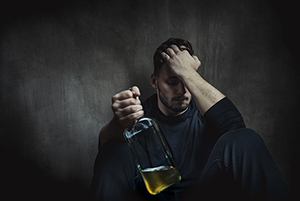
Q: My son who is in his late twenties has had a drinking/drug problem for years. I do not know after reading your article whether it is actually alcoholism or alcohol abuse. Regardless, it has become a real problem both personally and professionally.
He got involved further with cocaine and crack cocaine, but it seems that his primary starter is alcohol. He is now in treatment with a drug counselor, but I am not sure that he has admitted he has a problem. Does this mean he will be fighting addiction the rest of his life?
A: I don’t believe people have to remain slaves to their addictions all their lives. A good diet with adjunctive supplements along with consistent social support can be the cure.
The biochemistry of addiction involves chemical messengers called neurotransmitters. There are many neurotransmitters, and some of the most critical ones are serotonin, gamma-aminobutyric acid (GABA), and dopamine. Dopamine is the “reward” neurotransmitter that is most intimately associated with addiction. Serotonin is the primary mood-regulator, while GABA behaves as a natural sedative, helping us to chill out.
A diet consisting of refined carbohydrate (sugar, white flour, etc.) and/or caffeine intake, as well as alcohol and substance abuse will burn out these precious neurotransmitters, pushing a person into a vicious cycle of craving those same foods/substances in an effort to get another fix. Getting that fix is an attempt to replenish depleted neurotransmitters. At this point the person needs that food/substance as a substitute for the missing chemicals—he is an addict. The unstable blood sugar that ensues is a critical component of perpetuating addiction, adding insult to injury.
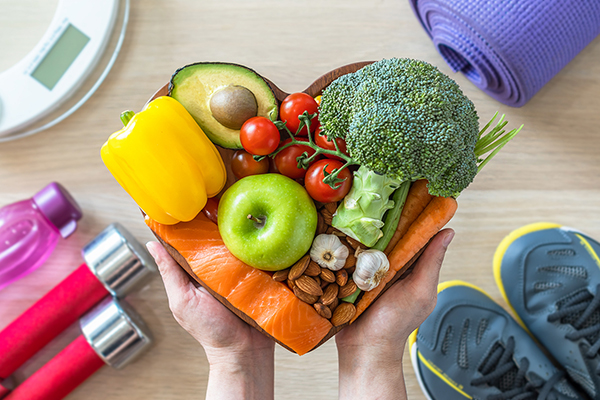
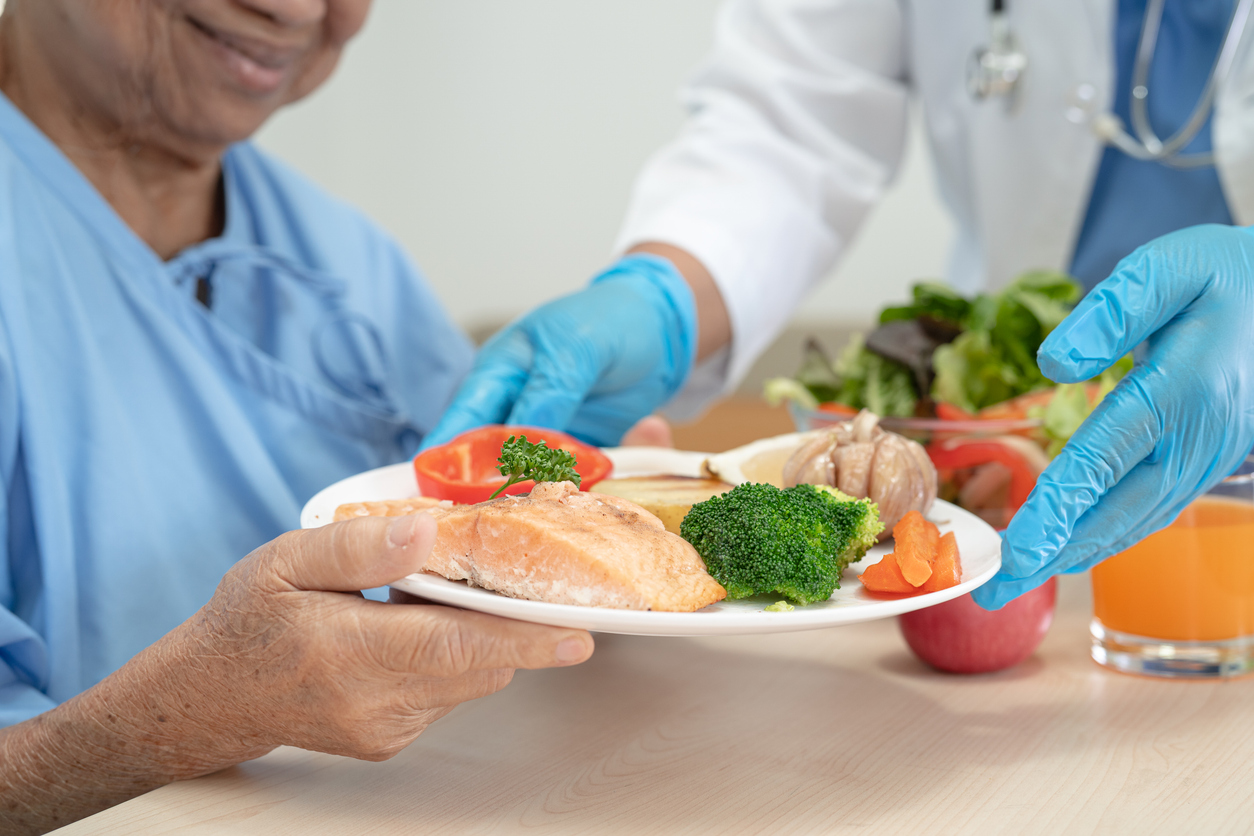
The production of neurotransmitters is dependent on a rich, consistent supply of essential amino acids, like L-tryptophan and tyrosine, among others. You guessed it: meat, poultry, fish, eggs. These are all high quality protein foods necessary for good moods and balanced mental health. Having a source of protein at every meal along with a variety of vegetables followed by some fruit for dessert, will ensure a steady supply of L-tryptophan, an important precursor to serotonin.
I call this a ‘Good Mood’ diet.
To keep nerve cell membranes fluid and healthy for proper transport of neurotransmitters, the omega 3 fats EPA/DHA are critical. Other supplements that can help quash the cravings associated with addiction are L-glutamine and 5-HTP. To boost GABA, the “chill-out” neurotransmitter, L-theanine and N-acetyl-cysteine (NAC) can be helpful.
A qualified nutritionist can help develop a specific program based on your son’s needs.
To your health!To your health!
Leyla Muedin, MS, RD, CDN