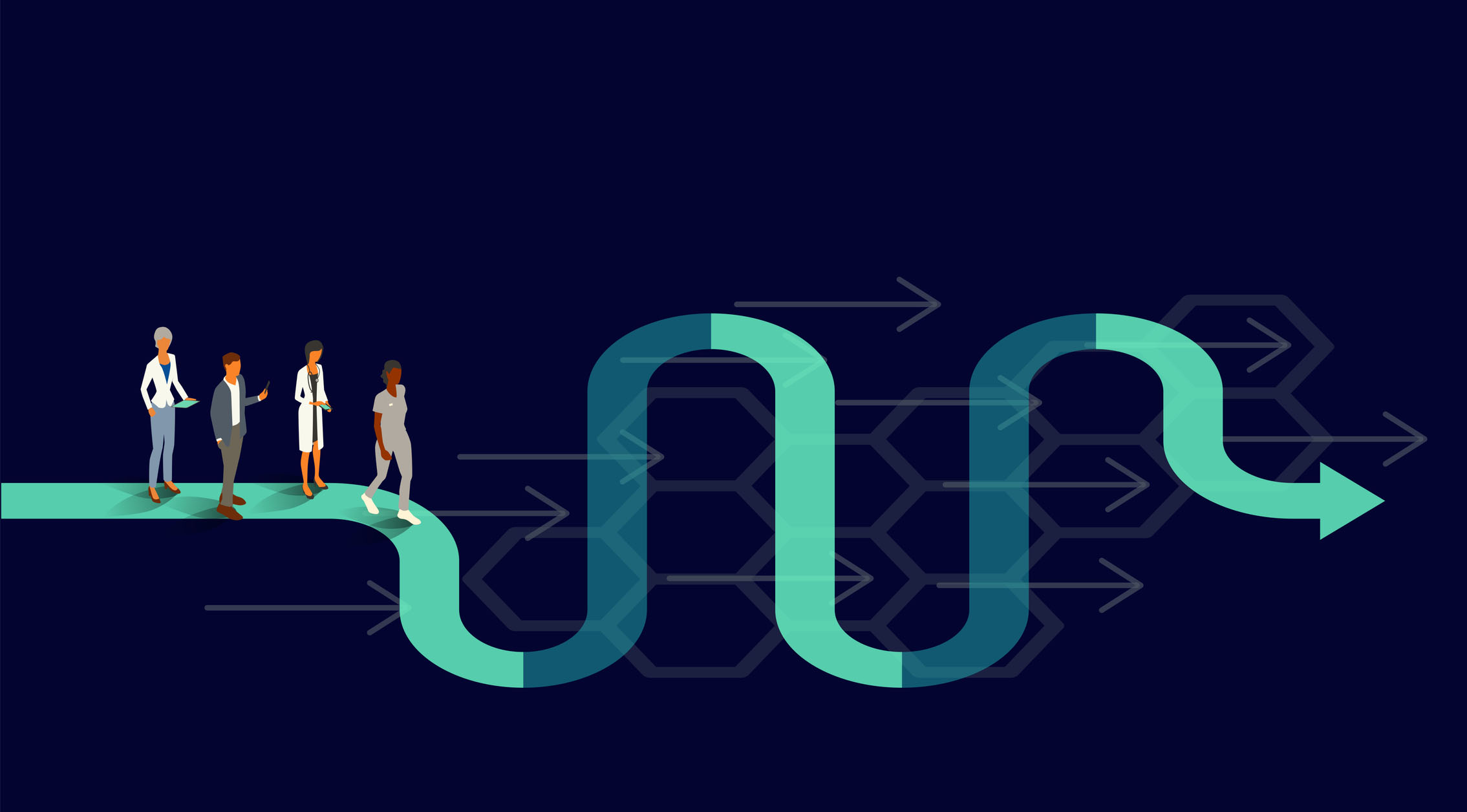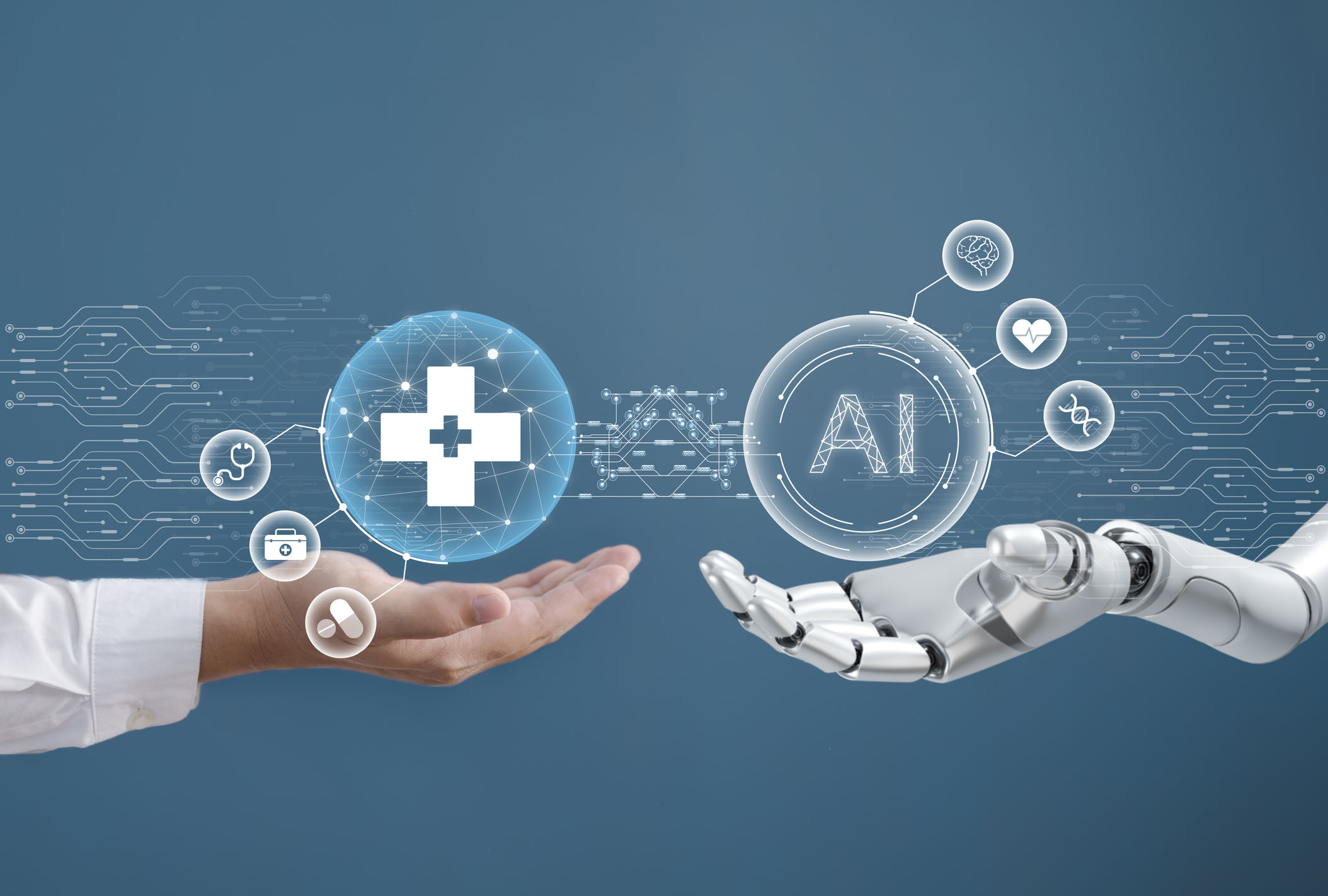
Last week, an article appeared about the future impact of AI that single-handedly tanked the stock market. It sent the Dow Jones Industrial Average down 800 points and ravaged the tech-heavy NASDAQ.
The Citrini Report, as it’s called, is a thought experiment that predicts a doom-loop as humans are replaced by ever more powerful AI agents, causing sector collapses and massive unemployment, especially among white collar workers. The report gloomily concludes that the laid-off could get lower-paying jobs as Uber or Lyft drivers—that is until the imminent advent of autonomous vehicles!
Critics piled on, and cooler heads prevailed, as the market edged back upward. But the article prompted me to speculate on the promises and perils of AI in the medical domain.
And what better way to start my investigation? I queried ChatGPT! Here are my own (merely mortal) perspectives on some of the ideas it came up with:
Diagnosis and Treatment Plans
One of the greatest challenges of medical practice is the patient encounter. How does a health practitioner, in the space of a mere few minutes, (a) establish a deep personal rapport with the patient, and motivate them to undertake a treatment plan . . .
. . . While (b) sifting through the patient’s complaints, physical exam findings, complex lab results (soon to incorporate genetic information), their voluminous medical records, information about diet, sleep, exercise, and even readouts from wearables like continuous glucose and ambulatory blood pressure monitors, sleep, VO2max and heart rate variability recorders . . .
. . . Simultaneously (c) creating a coherent medical record that garners insurance reimbursement and safeguards against malpractice liability or disciplinary actions . . .
. . . And then (d) recalling all the treatment options learned from years of medical training and decades of clinical experience, applying the most appropriate ones to the problem at hand?
The answer is that it’s near-impossible to multitask at such a furious pace, and that’s where AI could come to the rescue.
I put this question to some of my Functional Medicine colleagues and was surprised to learn that some of them are already leveraging AI in the clinic.
Surprised because I was concerned that AI, trained on a large language model (LLM) of orthodox medicine, would only yield “approved” drug fixes. Stomach pain—consider Prevacid; Knee pain—try Motrin, etc.
I was relieved to learn that AI can be trained to prioritize “natural” solutions; it can also be harnessed to interpret complex Functional Medicine tests like stool panels, amino acid and organic acid profiles, and genetic tests—even detailed diet histories—stuff that can stymy even the most gifted clinician with “analysis paralysis”.
AI is a tool, which if customized properly with patient and methodical tweaks, could aid productivity and help doctors cope with the ever-increasing complexity of medicine.
The downside, of course, is that it could prompt conformity to established guidelines—paint-by-numbers medicine. There’s the danger, with a looming shortage of doctors and advanced healthcare practitioners, that AI could provide a “turnkey operation” for less well-trained paraprofessionals to process hordes of patients, at considerable cost-savings, while reinforcing “Groupthink”.
Will your next doctor be a Chatbot?
To some extent, this is already happening. Savvy computer-literate young people especially are using AI queries as a prelude to expensive and time-consuming office visits. They plug in symptoms, test results, even photos, and voilá! A series of plausible options appear. According to some studies, patient satisfaction with these “visits” is comparable to in-person encounters.
The advantage is that many conditions can be managed with enlightened self-care, unburdening the healthcare system. The danger is that myriad dire possibilities might stoke medical hypochondriasis; sometimes a headache is just a headache and not pseudo-tumor cerebri, normal pressure hydrocephalus, or an aneurysm.
Call me retro, but there’s a unique ingredient missing when patients resort to medical Chatbots—human interaction with an empathetic healthcare provider. A lot of healing arises from guidance and reassurance from a trusted care partner.
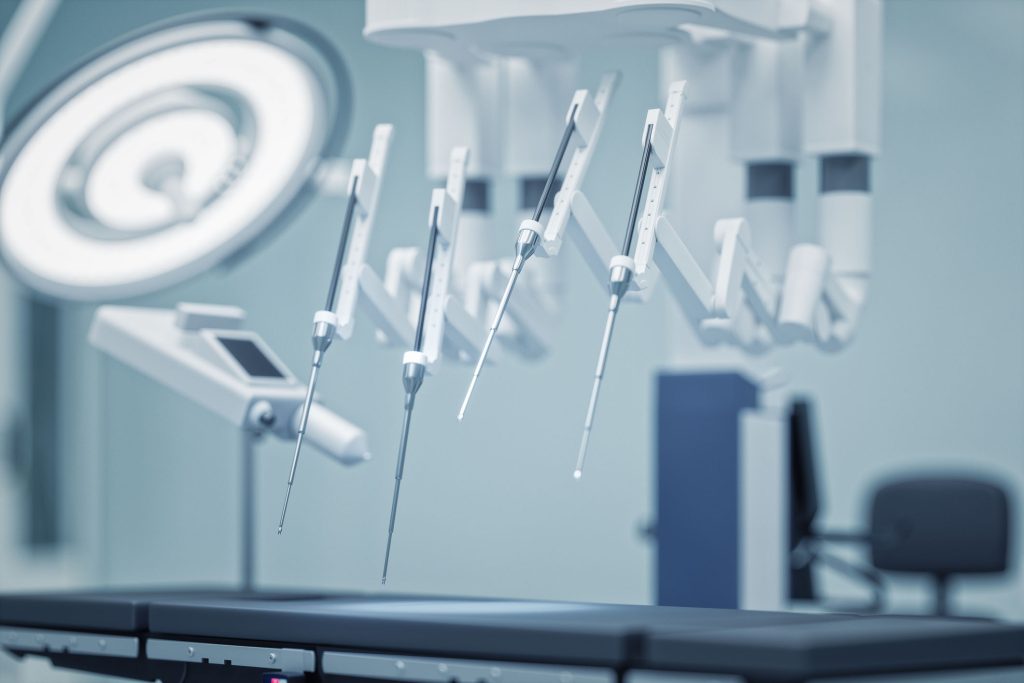
Robot surgeons
We already have “robotic surgery”, in which surgeons toggle robot arms that enable precise movements while watching a monitor under magnification. The surgeon is always in control, and at no time does the robot act on its own.
That may change. Surgery is complex, but so, too is driving a car. And AI is cracking the code to permit not just driver-assistance, but fully autonomous vehicles. Theoretically, there’s no limit to what tasks AI can automate, and eventually, especially in remote areas where surgeons are scarce, we’ll see robot surgery, first under doctor supervision, but eventually autonomously. Sounds scary, but which would you prefer—a robot surgeon trained on millions of surgical scenarios, or an actual human who reports for duty the same morning he discovers a note on the kitchen table saying his wife packed up the kids and left him??
Personalized Medicine
It’s the big buzzword in healthcare these days. It implies that, for example, your colon cancer will no longer be treated with one-size-fits-all protocols. Instead, complex information from scans, blood tests, genetic analyses of tumor biology and your unique personal characteristics will be collated to determine the best individualized treatment plan for you.
But all that data is enough to make even the most experienced oncologist’s eyes glaze over. Why not harness AI to scour the most up-to-date scientific literature, source innovative clinical trials, and evaluate the risk/benefits of the latest therapies to find the best match for your unique circumstances?
Democratization of health information
AI searches can also be applied to natural medicine. Right now, disease claims are throttled down for natural products—unlike for drugs, supplement manufacturers must disclose that vitamins, minerals, or herbs “are not intended to prevent or treat or cure” health conditions.
But do an AI search for Curcumin + dementia, for example, and you get a balanced and nuanced discussion of the evidence pro and con, bypassing media bias, skeptical orthodox medicine pundits, and official government censorship. AI may prove a First Amendment haven—the catch being only if the LLMs on which it is based are not themselves captured by medical gatekeepers, or reliant on the skewed opinions of quackbusters.
Robot home attendants?
Because of the shortage of skilled caregivers, the expense associated with round-the-clock home care, as well as the demographics of an aging population, expect this trend to emerge. They will be trained to respond to wearables, motion sensors, and devices like “smart toilets” to monitor changes in patient status, and will be networked to medical records and prescription schedules, generating alerts as necessary to supervising health teams. Eventually, like autonomous vehicles, they’ll be capable of managing challenging care scenarios on their own. Quantum leaps in their emotional repertoire will make them seem more like empathetic companions. The jury’s out on to what extent they’ll supplant the need for human interaction.
Research and discovery
It’s been said “medicine advances one funeral at a time”. Not to mention the toll on experimental animals. AI is enabling a new kind of research—“in silico”—in which predictive models of cell and organ function can be tested rapidly and at scale on silicon “chips”.
In addition to speeding drug development, AI may accelerate discovery of new compounds from nature. It may also highlight inefficacy or unforeseen potential toxicities of herbs or vitamins. Whether this will open up new avenues of innovation for the natural product industry, or lead to debunking of extravagant claims, remains to be seen.
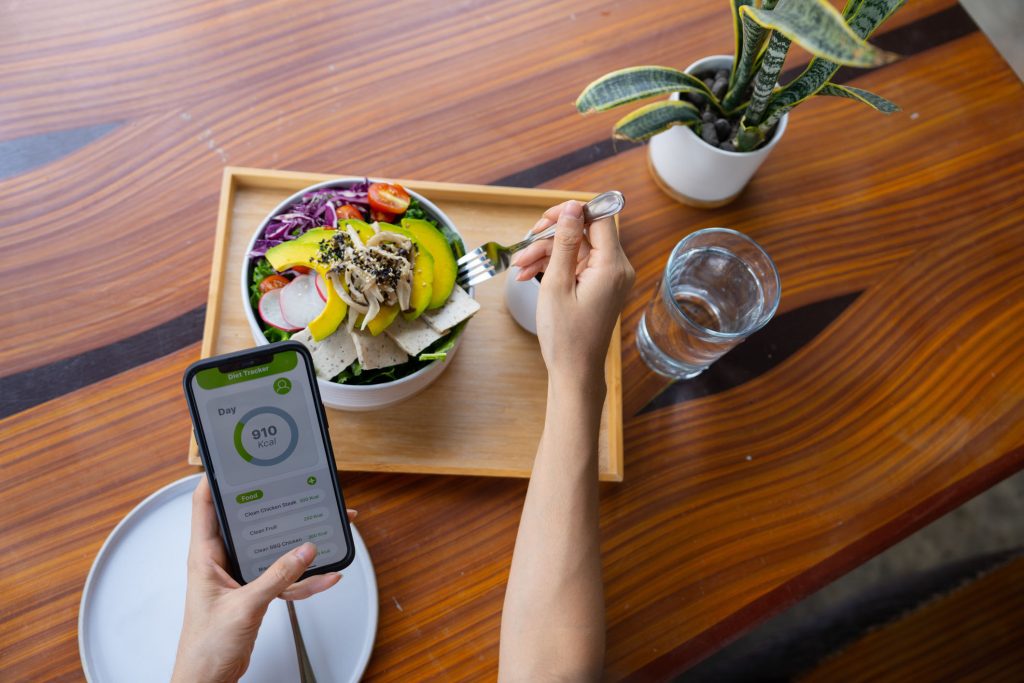
What should you eat?
AI-enabled nutrition apps are already helping savvy early adopters to customize nutrition regimens, complete with calorie assessments, macronutrient ratios, and vitamin, mineral, and fiber content. Snap a photo of your meal and get a complete breakdown of its nutrient content, with feedback. Individualize your eating plan for vegan, keto, or low-sodium; eat for weight loss, athletic performance, or blood sugar control.
Will nutritionists and health coaches end up on the unemployment line? Probably not, but only if they up their game to add value to these potentially disruptive technologies.
Pro-Tip
Some people like to record their doctor’s visits. But re-listening to a half hour visit is tedious. Especially when you want to share it with another doctor. No way am I going to spend that much time listening to a long, rambling conversation.
So, here’s what I did when a relative wanted to share a recording of a lengthy consultation with her orthopedist to get my opinion: She sent me the audio file, which I had ChatGPT transcribe, but it was still a multi-page screed. So, I asked a chatbot to summarize it—and it yielded a pithy one-page summary of the key findings and recommendations.
The tools are free, and you can take advantage of them to create shareable highlights of your doctors’ visits—or check for AI-enabled summaries auto-generated on your patient portal.
Bottom Line
The advent of AI portends promise and perils for medicine. Buckle up—change will come, as healthcare will be rendered virtually unrecognizable in the near future.
(This article was 100% human-written) 😊