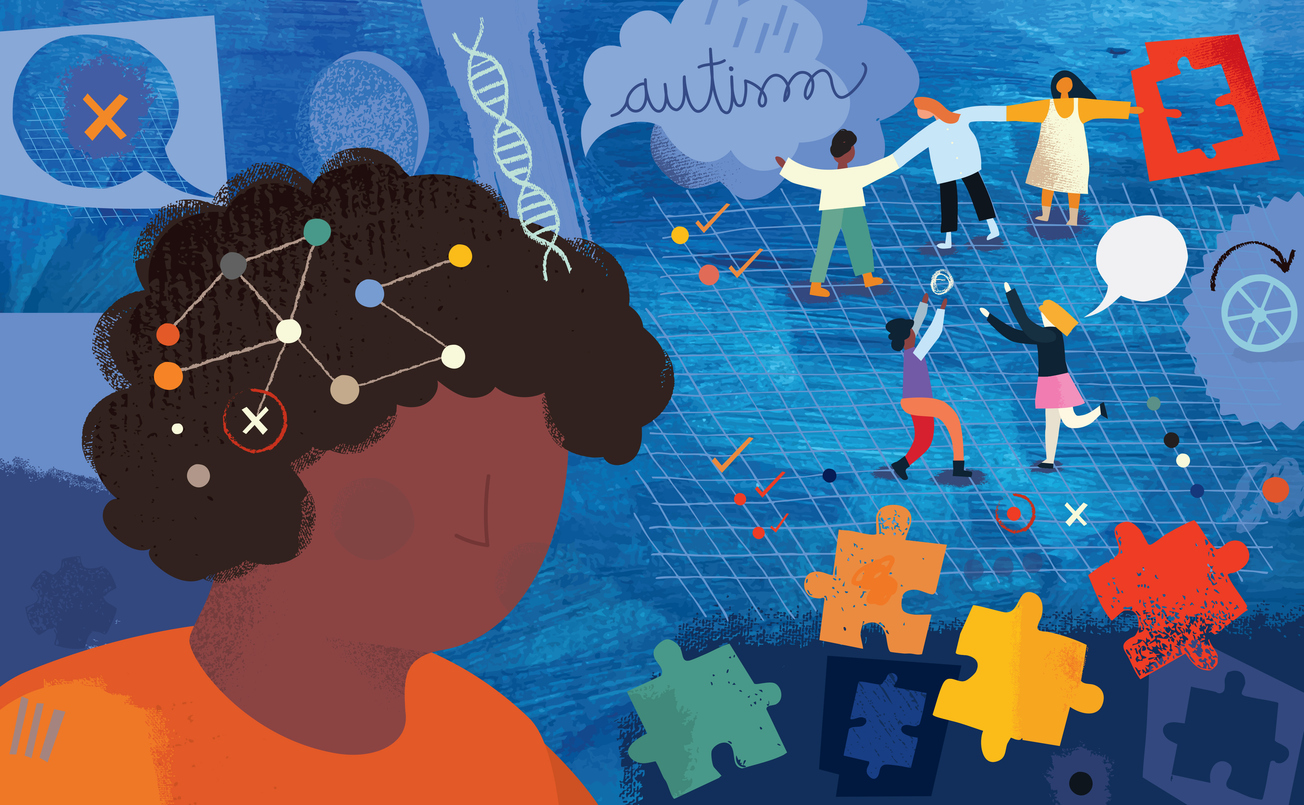
Autism, Functional Medicine, and Personalized Interventions: A Conversation with Theresa Lyons, PhD, a Yale-trained scientist and medical strategist who became an autism expert after her daughter’s diagnosis and now runs AWEtism.net. Lyons describes dissatisfaction with conventional guidance that offers limited drugs for irritability and primarily ABA (Applied Behavioral Analysis), which is insurance-covered, often recommended at 40 hours/week, uses extrinsic rewards, and may help some skill-learning but has controversies and limitations for social development; she contrasts newer approaches such as RDI (Relationship Development Intervention) and PRT (Pivotal Response), which aim to build intrinsic motivation but are typically not covered by insurance. The discussion covers autism heterogeneity, changes in diagnostic categories (e.g., Asperger’s folded into autism), and research including a Boston Children’s Hospital study reporting 37% of children in a cohort lost their autism diagnosis over time (diagnosis based on observation). Lyons addresses debates about rising autism prevalence, noting multiple potential contributors and rejecting single-cause explanations, while citing risk-factor examples such as family autoimmune history and air pollution exposure. She outlines a functional medicine “why” approach using constipation as an example (root causes vs. symptomatic treatment), and emphasizes basic, low-risk steps such as evaluating diet, inflammation, hydration/electrolytes, and blood work for nutrients. Specific topics include gluten-free approaches (mechanisms involving gut permeability, immune burden, and CNS effects), dairy/inflammation, vitamin D deficiency and monitoring, melatonin as a well-studied short-term aid in autism (considered safe for a couple of years in studies) while still seeking underlying causes, and omega-3 fatty acids for focus and inflammation. Lyons explains leucovorin (folinic acid, prescription vitamin B9) as a targeted approach for children with folate receptor antibodies (reported in ~70% of autistic children), discusses the value and cost (~$300) of specialized testing from one U.S. lab, and notes reports of major speech and behavior improvements in responders, with dosing nuances. The episode also reviews evidence and cautions around the microbiome, including fecal microbiota transplant (FDA-approved for C. difficile; discussed as having an ~80% response rate in autism-related studies when gut issues are a key driver, but with major donor/compatibility considerations) and probiotics (some small trials and high costs). Other themes include “clean eating,” organic foods and toxin-load considerations tied to genetic detoxification vulnerabilities, discussion of acetaminophen/Tylenol in pregnancy in the context of glutathione pathways and personalized risk, and using genetics to guide interventions. Lyons warns that analysis of top autism TikTok videos found ~70% were inaccurate or overdramatized, recommending social media only for ideas, not decision-making. She also highlights parent stress, citing emerging research on increased PTSD risk among autism parents, and emphasizes support and community. Lyons advises parents to understand their child’s specific health drivers and match them to appropriately specialized clinicians, noting her curated doctor listings in The Lyons Report.