Shibboleth *noun* (shib· bo· leth): “a word or saying used by adherents of a party, sect, or belief and usually regarded by others as empty of real meaning . . . a widely held belief”.
I last weighed in on this subject back in 2016: “Can What You Eat Really Damage Your Thyroid?”
At that time, I concluded:
“You’ve probably heard that those who have a thyroid problem shouldn’t eat cruciferous vegetables or soy products, which are said to be goitrogens. I never put much stock in these claims because by the time you have impaired thyroid function, it’s likely the best ‘fix’ is to take appropriately-dosed natural thyroid replacement. This can be virtually life-changing for many patients. The small amount of thyroid function you might retrieve by avoiding certain foods is trivial compared to the effect of the medication. I’ve never seen a patient go on a goitrogen-free diet and recover thyroid function sufficiently to lower their thyroid medication, much less completely go off it.”
But what of claims that certain foods can cause your thyroid to underperform, hastening a diagnosis of hypothyroidism, necessitating medical correction?
A popular website, Very Well Health, still echoes the theme:
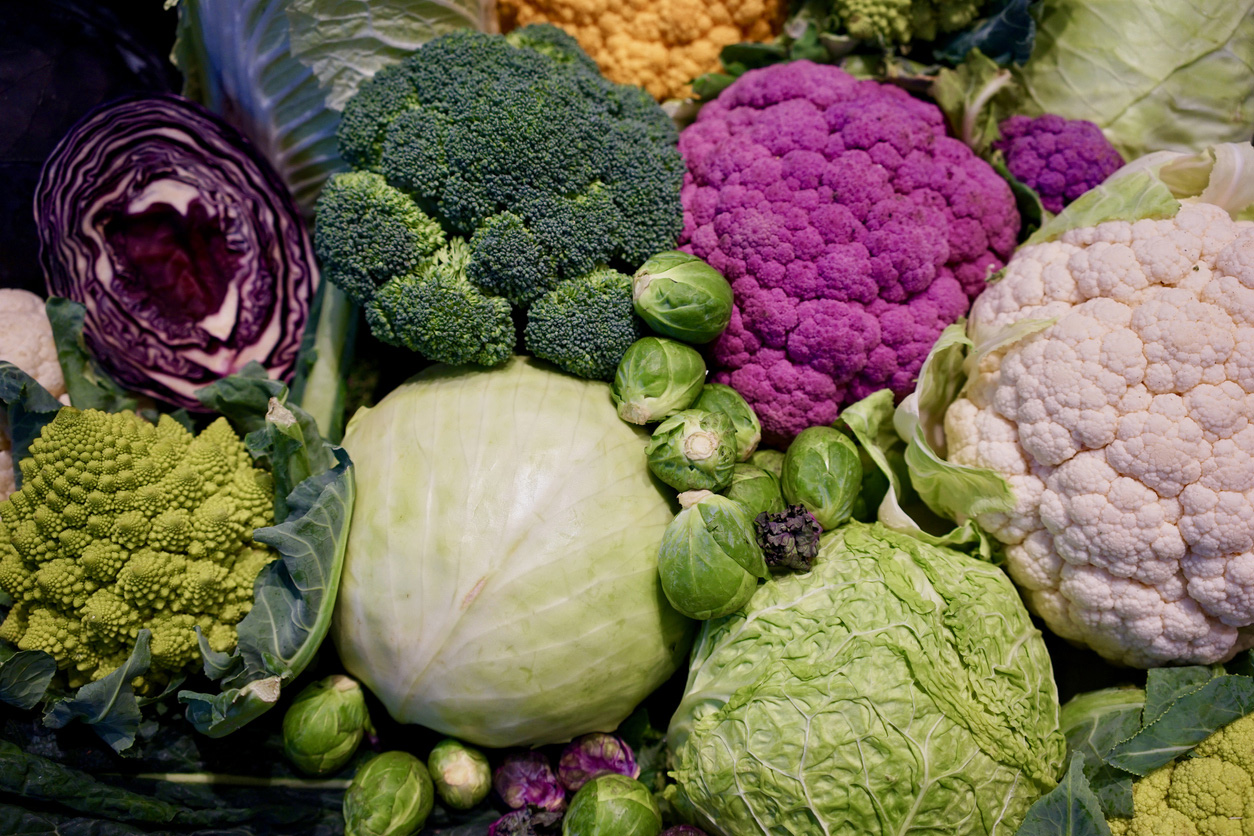
“People with thyroid conditions should avoid eating foods high in goitrogens, such as cabbage, Brussels sprouts, and broccoli. If you have hypothyroidism and still have a partially functional thyroid—such as with Hashimoto’s thyroiditis—be especially careful not to overconsume large quantities of raw goitrogenic foods.”
The woman who killed her thyroid
There’s a kernel of truth to this assertion. According to a case report in the New England Journal of Medicine:
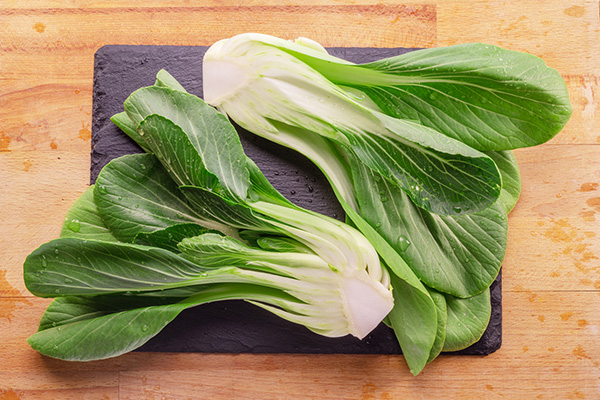
“An 88-year-old Chinese woman was brought to the emergency department by her family, who reported that she had been lethargic and unable to walk or swallow for 3 days. She had been eating an estimated 1.0 to 1.5 kg [2.2 to 3.1 pounds!] of raw bok choy daily for several months in the belief that it would help control her diabetes. She had no previous history of thyroid disease.”
It turns out she was suffering from severe hypothyroidism; her blood levels of thyroid hormone were undetectable. She required emergency treatment and recovered only after receiving high doses of thyroid medication.
What’s the latest on the cruciferous vegetable-hypothyroidism link?
There are some new definitive studies on this subject. The most recent came out last year: “Do Brassica Vegetables Affect Thyroid Function?—A Comprehensive Systematic Review”
In the introduction, the authors acknowledge:
“Historically, brassica vegetables have been suspected of negatively impacting thyroid gland function . . . The motivation behind this systematic review stems from the ongoing recommendations in dietary sources that patients, particularly those with hypothyroidism, should avoid brassica vegetables, due to their goitrogenic potential. However, these recommendations often rely on outdated animal studies, involving the seeds of these plants, which are rarely consumed by humans.”
So, they undertook what seems like the largest-ever review of all the evidence—test tube, animal studies, and human trials—to come up with a definitive answer. After exhaustive investigation they reassure:
“The presented studies cast doubt on previous assumptions that brassica plants have antithyroid effect in humans when consumed in reasonable and accessible amounts as part of a daily diet. The vast majority of the results indicate that brassica vegetables are safe for thyroid function, especially when the proper iodine supply is provided. However, it should be underlined that eating raw vegetables, especially in high amounts, may increase the risk of the negative impact on the thyroid, while the cooking process reduces this effect.”
So, unless you guzzle raw cabbage juice, or are hooked on kale smoothies—especially in the absence of adequate iodine (which in itself can cause hypothyroidism)—you’re good.
And that’s important, because cruciferous vegetables are a rich source of natural sulfur compounds which are metabolized into important detoxification and anti-cancer nutrients like sulforaphane and indole-3-carbinol. In a misguided effort to avoid hypothyroidism, many consumers risk losing the even more salient chemopreventive benefits of cabbage-family vegetables.
Is soy a goitrogen?
As with brassicas, there are sporadic case reports of thyroid suppression with very high consumption of soy. In one instance, two infants who inherited low thyroid function from their mothers whose hypothyroidism was undetected during pregnancy, remained resistant to thyroid medication until their soy formula was replaced with regular formula.
But that’s a rare special case. What about the hundreds of millions of people worldwide who consume significant amounts of soy foods almost daily? A comprehensive 2019 review sought to address that question:
“ . . . there are some concerns that soy can have a negative effect on thyroid function and can alter the levels of thyroid hormones. The aim of this systematic review was to investigate the link between soy or soy product consumption and thyroid function via the measurement of thyroid hormone levels. A systematic review and meta-analysis was undertaken on all randomised controlled trials of studies including soy as an intervention and where free triiodothyronine (fT3), free thyroxine (fT4) and thyroid stimulating hormone (TSH) was measured.”
After screening hundreds of studies, 18 were deemed sufficiently relevant and rigorous to be included in the final meta-analysis.
“This systematic review showed that there was a significant change in TSH as a result of soy protein and/or isoflavones supplementation though with no significant changes in fT3 and fT4 levels, suggesting that whilst soy can adversely affect thyroid function, clinically this may not be significant.”
To me, this is reassuring. While a modest bump in TSH was noted in soy consumers (lower is indicative of better thyroid function), free T3 and free T4 were unchanged, suggesting no impact on actual production of thyroid hormones.
Again, if you’re already taking thyroid medication, the slight adverse effect of soy (if any) is likely to be vastly outweighed by the medication—unless you’re that rare baby with hypothyroidism, guzzling soy formula.
The REAL dietary culprit?
While I’d give a pass to cabbage-family vegetables and soy when it comes to thyroid function, there’s another ubiquitous food component that does concern me: Gluten!
While iodine deficiency is sometimes a cause of hypothyroidism, it’s less of a problem in the U.S. now that most people consume seafood and iodized salt. Endocrine.org informs us:
“Hashimoto disease, also known as Hashimoto’s thyroiditis, is an autoimmune disease…[It] is the most common cause of hypothyroidism in iodine-sufficient areas of the world, including the United States.”
It’s characterized by the presence on blood tests of anti-thyroid antibodies.
Many integrative practitioners now recommend a gluten-free diet for their patients with Hashimoto’s. I’ve seen it work to bring those elevated antibodies back into normal range, with improvements in thyroid function.
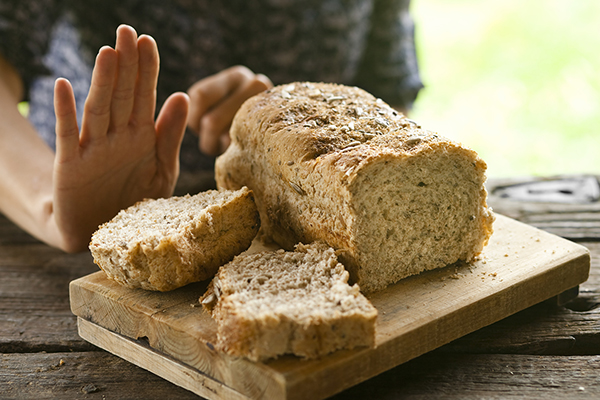
The proof
And so it was that researchers tested the hypothesis in a landmark study: “Effect of gluten-free diet on autoimmune thyroiditis progression in patients with no symptoms or histology of celiac disease: a meta-analysis”
“Our results seem to indicate a positive effect of the gluten deprivation on thyroid function and its inflammation, particularly in patients with HT [Hashimoto’s thyroiditis] and GRC [gluten-related conditions].”
In keeping with the posture of scientific modesty that many researchers strive to maintain, they qualify:
“However, current lines of evidence are not yet sufficient to recommend this dietary approach to all patients with a diagnosis of HT.”
I’m not inclined to hold back. I’ve recommended gluten-free diets to patients with evidence of elevated thyroid antibodies for decades.
Why gluten-free diets may help preserve thyroid function
It may be that some people, even without overt celiac disease, react adversely to gluten, triggering immune hyperactivation. This may be hereditarily determined; celiac sufferers and autoimmune thyroid patients share certain genetic determinants.
In susceptible individuals, gluten, even short of triggering overt celiac disease, may attack the intestinal lining causing “leaky gut”. This may allow food antigens and bacterial byproducts to traverse the newly-permeable intestinal barrier, setting up reactions that target the thyroid:
“In accordance with these lines of evidence, we can speculate that gluten deprivation in patients with HT and GRC may improve an already described mild inflammatory state of the intestine.”
Furthermore, the authors speculate:
“ . . . it is reasonable to suppose that GFD [gluten-free diets] may also improve gut microbiota composition and the dysbiotic state, which, in turn, may sustain the vicious circle of gut epithelium damage, chronic inflammation, and, in people with a genetic predisposing background, the trigger of autoimmunity”.
BOTTOM LINE: With regard to individuals prone to hypothyroidism, cabbage family vegetables and soy get a (qualified) pass; gluten should not.
Another shibboleth overturned!