Leyla Weighs In: The Farm-to-Hospital Movement–A New Era in Patient Care

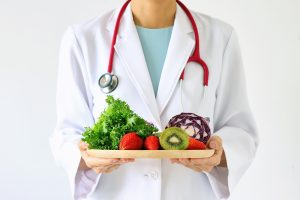
Nutritionist Leyla Muedin discusses news from Secretary Robert F. Kennedy Jr.’s “Take Back Your Health” tour, highlighting hospital commitments to nutrition-driven care, including connecting Florida farms directly to hospital food systems. She reports that CMS issued a quality and safety special alert directing hospitals to align meals with the 2025–2030 Dietary Guidelines for Americans, emphasizing whole nutrient-dense foods and adequate protein while reducing ultra-processed foods, sugar-sweetened beverages, refined carbohydrates, and added sugars, and reinforcing Medicare participation requirements such as meeting individual nutrition needs, dietitian oversight, current therapeutic diet manuals, and integrating nutrition into quality improvement. At Nicklaus Children’s Hospital, Kennedy and CMS Administrator Dr. Mehmet Oz met with healthcare leaders; the hospital signed a pledge to partner with Florida producers to improve food quality, remove procurement barriers, and expand medically tailored meals and training. Muedin praises regenerative agriculture and local supply chains and contrasts these efforts with past high-carbohydrate hospital diets.


Leyla Weighs In: How Long-Term Statin Use Affects Muscle Mass and Strength

Leyla Muedin, a registered dietitian nutritionist, discusses a UK Biobank analysis published in the Journal of Cachexia, “Sarcopenia and Muscle” (Nov 2025) linking continuous long-term statin use (e.g., Lipitor, Zocor, Crestor) to accelerated declines in grip strength and appendicular lean mass compared with never-users. Among 35,557 with follow-up data, grip strength declined by a mean 0.315 kg/year and appendicular lean mass by 0.057 kg/year in statin users; findings persisted after adjustment for age, sex, BMI, comorbidities, and a pharmacogenomic statin-response score. Leyla notes possible mechanisms (CoQ10/mevalonate pathway effects, mitochondrial dysfunction, apoptosis, calcium disruption, insulin resistance) and advises monitoring musculoskeletal health, supporting diet and regular physical activity, while not interpreting results as a reason to stop prescribing statins.


Leyla Weighs In: Navigating Menopause

Nutritionist Leyla Muedin discusses nutrition and menopause, defining menopause as 12 months without a period and noting it can occur naturally or due to surgery/medical procedures. She links declining estrogen to increased cardiometabolic risk, endothelial dysfunction, vascular aging, musculoskeletal pain, and higher risks with early menopause (including cardiovascular disease, chronic kidney disease, and dementia), and notes many estrogen-modulated conditions are associated with gut dysbiosis. She emphasizes lifestyle—especially nutrition—as key, highlighting anti-inflammatory, minimally processed eating and warning against ultra-processed foods, refined carbs, and excess omega-6. She cites research that high adherence to a Mediterranean diet improves markers like heart rate, lipids, triglycerides, CRP, and overall cardiometabolic risk, and mentions omega-3s lowering triglycerides while modestly raising HDL and LDL. She reviews diet approaches for hot flashes, suggests reducing caffeine, alcohol, sugar, and carbs, notes some women require (bioidentical) HRT, and describes clients improving symptoms with dietary change.


Leyla Weighs In: Drug-Induced Magnesium Depletion

Registered dietitian nutritionist Leyla Muedin discusses a New England Journal of Medicine paper (July 2024, cited via Holistic Primary Care) warning about drug-induced magnesium depletion, especially from diuretics, proton pump inhibitors (e.g., Nexium, Prilosec), and certain antibiotics. She notes magnesium is often not routinely measured despite links between deficiency and cardiovascular, metabolic, and neurological problems, including arrhythmias (AFib, long QT, torsades), endothelial dysfunction, and longer ICU stays. Prevalence estimates range from 7–11% (up to 20%) in hospitalized patients and 2–4% among outpatients, with higher rates among long-term PPI and diuretic users. She reviews symptoms and causes, explains limits of serum magnesium testing, highlights associations with diabetes, alcohol use, low potassium and calcium, and outlines evaluation options and oral repletion approaches, favoring better-absorbed forms like magnesium glycinate over oxide due to diarrhea risk.


Leyla Weighs In: The Essential Guide to Vitamin K and Folate for Heart Health

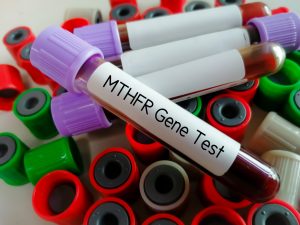
Leyla Muedin, a registered dietician nutritionist, shifts the discussion beyond cholesterol and statins to “hidden” cardiovascular risks from insufficient vitamin K and folate intake. Citing Cleveland Clinic and other research, she notes a high prevalence of vitamin K deficiency in the U.S. and widespread inadequate folate intake globally, including low folate levels among women of reproductive age. She explains that vitamin K2 may help inhibit arterial and soft-tissue calcification via activation of matrix GLA protein, with studies linking higher K2 (MK-7) intake to lower coronary heart disease risk and slowed coronary artery calcification. Folate supports vascular function through homocysteine metabolism, with evidence associating higher folate intake with lower cardiovascular mortality, emphasizing active 5-MTHF over folic acid due to conversion limitations in many people. She also notes statins can downregulate vitamin K metabolism and encourages discussing risks, benefits, and supplements with a doctor.


Leyla Weighs In: From Cancer Research to Weight Loss Strategies

Resveratrol + Copper Research, Plus Grain-Free Strategies for Stalled Weight Loss: Leyla Muedin, a registered dietitian nutritionist, answers listener emails. She reviews a small India study (BJC Reports, published September 30, 2025) in which 10 glioblastoma patients awaiting surgery received resveratrol (5.6 mg) and copper (560 ng) four times daily for about 11.6 days, compared with 10 controls; the combination generated reactive oxygen species that deactivated cell-free chromatin particles in the tumor microenvironment and reduced cancer hallmarks. Asked whether this could be prophylactic against cancer, she says it is unknown and requires replication in larger studies, advising supplement use be discussed with a practitioner. She then addresses grain elimination for stalled weight loss: replace grains with more meat and non-starchy vegetables, think beyond typical breakfast foods by using leftovers, and use small portions of starchy vegetables (e.g., squash or potato) if starch helps sleep. She recommends investigating root causes of anxiety and poor sleep and suggests moderation for foods like oatmeal.


Leyla Weighs In on Hidden Hunger: Navigating Nutrient Deficiencies

Hidden Hunger: The Importance of Micronutrients: Nutritionist Leyla Muedin focuses on the critical role of micronutrients—vitamins and minerals—in overall health. Leyla highlights the global issue of ‘hidden hunger,’ a deficiency in essential micronutrients that silently affects billions worldwide. She explains the impact of this deficit on immune function, growth, energy metabolism, and chronic disease prevention. The discussion includes key micronutrients like vitamins A, C, D, E, B complex, iron, zinc, iodine, and selenium, and their sources. Leyla underscores the need for dietary diversity, fortification, targeted supplementation, and nutritional awareness to combat this pervasive issue. She also advises on recognizing symptoms of deficiencies and the importance of individualized nutrition plans guided by healthcare professionals.


Leyla Weighs In with Heart Health Insights: Navigating Calcium Scores and Nutritional Strategies

Understanding and Managing Heart Health: In this Heart Health Month episode of the Intelligent Medicine Podcast, nutritionist Leyla Muedin addresses a listener’s question about elevated cholesterol levels and calcium scores. Drawing on an article written by Dr. Hoffman, she emphasizes the importance of discussing statin use with a doctor, considering individual risk factors, and getting additional tests like VAPs, NMR, homocysteine, and lipoprotein levels. The episode explores the importance of vitamins K2 and folate in cardiovascular health, addressing nutritional deficiencies, and the impact of dietary choices on heart health.


Leyla Weighs In: Rethinking Cancer Therapy–The Role of Resveratrol and Copper

Exploring a Novel Nutraceutical Approach to Brain Cancer Treatment: Nutritionist Leyla Muedin discusses a recent study from the Advanced Center for Treatment, Research, and Education in Cancer in Mumbai, India. The study explores the impact of a simple, cost-effective nutraceutical tablet containing resveratrol and copper on glioblastoma, a highly aggressive brain cancer. The results indicate a favorable shift in cancer markers and a reduction in tumor aggression without the side effects associated with conventional treatments like chemotherapy and radiotherapy. This alternative approach suggests a potential paradigm shift in cancer treatment, focusing on healing rather than destroying cancer cells. The episode highlights the significance of thinking outside traditional cancer treatment methods and the promise of nutraceuticals in oncology.


Leyla Weighs In: The Link Between Sugar Substitutes and Liver Health

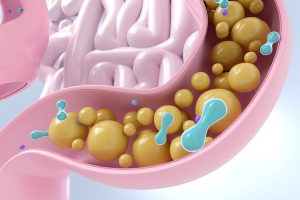
The Hidden Dangers of Alternative Sweeteners on Liver Health. Registered dietitian Leyla Muedin weighs in on the rising concerns about metabolic dysfunction associated steato liver disease (MASLD), previously known as non-alcoholic fatty liver disease (NAFLD). Leyla discusses the findings of recent research from Washington University at St. Louis, revealing that sugar alcohols like sorbitol, often considered healthier alternatives to refined sugar, may actually be harmful to liver health. She explains how gut bacteria can convert sorbitol into fructose, leading to detrimental effects on the liver. Leyla underscores the prevalence of MASLD in the adult population and its association with obesity and cardiometabolic conditions, emphasizing the need for caution in the consumption of alternative sweeteners.