Intelligent Medicine Radio Show for July 11: Internal Visceral Fat May Accelerate Brain Aging

Part 1: Internal Visceral Fat May Accelerate Brain Aging

Carnitine, with acknowledged muscle and brain benefits, may find a new role in supporting cancer immunity; Calcium and vitamin D’s bone-building impact may be limited; Internal visceral fat may accelerate brain aging, MRI study finds; The remarkable benefits of a newly-discovered mitochondrial booster—urolithin A (Mitopure®️).


Part 2: Is it safe to stop statins “cold turkey”?

Is it safe to stop statins “cold turkey”? Can the supplement ingredient HMB counteract age-related muscle loss? Researchers may have discovered the key to development of a true fat-burning weight loss medication; Can a mammogram yield clues about cardiovascular risk? Their bottom line threatened by GLP-1 weight loss drugs, BIg Food tweaks portion sizes, adds spices and flavorings to pique blunted appetites; Vitamins A & D may improve lung health for asthma sufferers; When it comes to thyroid medication prescribing, treat the numbers or treat the patient? 


Q&A with Leyla: Is there any remedy for frequent nighttime urination?

Q&A with Leyla, Part 1: Dealing With The Heat

  • Dealing with the heat – Europeans’ disdain for air conditioning
  • I have scaly and bumpy areas on my scalp that itch!
  • Did homeopathic human growth hormone increase my cholesterol?


Q&A with Leyla, Part 2: Is there any remedy for frequent nighttime urination?

  • Which is more effective, vitamin K2 or K4?
  • How long can I take L-tryptophan as a sleep aid?  What about 5-HTP?
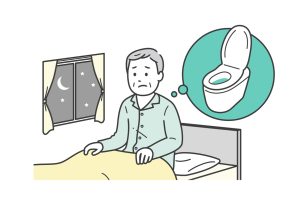
  • Is there any remedy for frequent nighttime urination?
  • What are some suitable supplements I can take for exercise recovery?


The Science of Immune Regulation and Resilience

Immune Regulation, Omega-3 Nuance, and Himalayan Tartary Buckwheat with Dr. Austin Perlmutter, chief science officer of Big Bold Health. He details immune regulation as a nuanced, multidimensional system shaped by diet and lifestyle rather than simple “boosting.” Perlmutter explains Big Bold Health’s focus on immunometabolism, educating about immune complexity, and conducting studies on nutraceuticals, including use of CGMs and clinical trials. He discusses why eating fish often outperforms refined fish-oil supplements, noting conventional processing (heat, bleaching, deodorizing, esterification) and loss of other lipids and nutrients. Perlmutter highlights specialized pro-resolving mediators (resolvins, protectins, maresins) and vitamins A and D as potentially better preserved in minimally processed oils, and reviews typical omega-3 intake and target ranges. The conversation also covers immunosenescence/inflammaging and Big Bold Health research on sprouted Himalayan Tartary Buckwheat, its high polyphenols (rutin, quercetin), microbiome effects, and studies including epigenetic aging clocks and brain outcomes.


Breaking Ground in Biotech: The Role of AI and Gene Editing

AI and Generative Biology: Authoring Life, Redesigning Healthcare, and Building Guardrails: Physician and molecular biologist Dr. Adrian Woolfson, co-founder of Genyro, a biotechnology company specializing in synthetic genome design and construction, and author of “On the Future of Species: Authoring Life by Means of Artificial Biological Intelligence,” discusses the convergence of AI with synthetic/generative biology that could make biology programmable and enable genome design and construction beyond traditional gene editing. Woolfson argues that the technology is morally neutral but is arriving rapidly and requires public awareness, governance, and guardrails due to risks, including misuse by authoritarian regimes and biological warfare. He discusses evolution’s trade-offs and why he favors limiting human applications to curing disease and extending healthy longevity, while opposing germline modification; he explains germline vs somatic editing and cites the flawed, unethical case of a Chinese scientist attempting inherited HIV resistance. They examine sickle cell disease cures costing $2–$3 million, scalability issues, and trade-offs like malaria protection, and highlight non-medical benefits such as engineered crops, biomaterials, desalination, and DNA-based information storage.


Intelligent Medicine Radio for July 4: Break a Sweat to Beat the Heat

Part 1: Break a Sweat to Beat the Heat

Europeans swelter through historic heat wave—but many resist air conditioning due to ingrained cultural attitudes; Break a sweat to beat the heat; Evidence that aged garlic extract curbs atherosclerosis risk; How to stave off age-related muscle atrophy; Probiotic-infused underwear to nourish the skin microbiome? Niacin augments glioblastoma treatment; Creatine for depression.


Part 2: Causes of Excessive Sleepiness

Melatonin can reduce chronic pain; Ultra-processed foods are becoming a worldwide scourge; Do biopsies spread cancer? Sauna benefits for staving off dementia; What may cause blood sugars to deteriorate in a heretofore well-controlled diabetic? Causes of excessive sleepiness.


Q&A with Leyla: Carnivore Diet Controversies

Q&A with Leyla, Part 1: Carnivore Diet Controversies

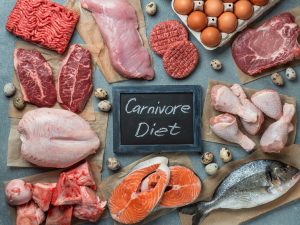
  • Carnivore diet controversies
  • What is a normal oxygen saturation?  Mine has been 92-93 lately?  Is that okay?


Q&A with Leyla, Part 2: Oral vs. IV Chelation

  • I’ve worked for many years on my feet and had surgery on both knees.  How much glucosamine should I take?
  • Can you discuss oral vs. IV chelation?  How do you determine which is appropriate?
  • How important is nitric oxide, and how can I increase mine?
  • Are there any supplements I should stop taking before getting blood tests?


Heart Matters: Essential Supplements for Cardiovascular Protection

Cardiovascular Protection Beyond Statins–Nattokinase, Vitamin K2 MK-7, and Clinical Cardio Six: Neil Levin of NOW Foods/Protocol for Life Balance details cardiovascular protection beyond cholesterol-lowering drugs, emphasizing nutrient sufficiency, therapeutic “nutraceutical” dosing, and physician partnership with testing. They discuss nattokinase from fermented natto (typical 2,000 fibrinolytic units/day), describing research on reduced fibrinogen, improved blood viscosity and microcirculation, blood-pressure normalization, and higher-dose data suggesting benefits for arterial thickness and lipids without excessive blood-thinning. They review vitamin K: K1 for normal coagulation (risk with Coumadin relates to day-to-day variability) and K2 for calcium metabolism, highlighting MK-7’s longer half-life and potency versus MK-4 and recommending pairing K2 with vitamin D. Levin outlines PFLB Clinical Cardio Six (D3, L-carnitine, hawthorn leaf/flower, solubilized grape seed extract, CoQ10, MK-7), ingredient sourcing/testing, omega-3 benefits, red yeast rice context, and controversy around vitamin E meta-analyses.


Urolithin A: A Pathway to Enhanced Energy and Longevity

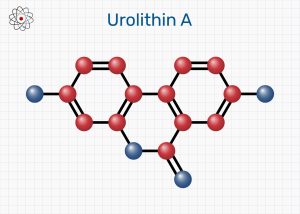
Urolithin A (Mitopure) and Mitochondrial Renewal–Muscle, Immune, and Skin Benefits: Jen Scheinman, MS, RDN, CDN, Director of Science Communications at Timeline details urolithin A and Timeline’s branded supplement Mitopure. She describes urolithin A’s discovery through pomegranate research and worm studies showing a 45% lifespan increase. She discusses human research including improved walking distance and clinical outcomes in muscle endurance and strength. Urolithin A is presented as supporting mitochondrial health by promoting mitophagy—recycling damaged mitochondria—distinct from other mitochondrial supports like CoQ10 and NAD precursors. They explain most people cannot produce enough urolithin A from foods because only 30–40% convert precursors via the microbiome and it would require about six cups of pomegranate juice daily. Dosing discussed is 500–1,000 mg/day via gummies, capsules, or powder, with effects developing over months. She reviews emerging research on immune aging, preclinical work on brain and neurodegenerative conditions, and topical urolithin A for skin.


Intelligent Medicine Radio for June 27: 80+ “Supermovers”

Intelligent Medicine Radio for June 27, Part 1: 80+ “Supermovers”

“The quick and the dead”: 80+ “Supermovers” show slowed cognitive decline; Dietary polyphenols help overcome vascular effects of prolonged sitting; Pros and cons of ketamine therapy for depression; Time-restricted eating alters microbiome to promote weight loss; Magnesium—what research reveals about better sleep, stress resilience, and whole-body wellness.


Intelligent Medicine Radio for June 27, Part 2: CBD May Slow Alzheimer’s Progression

CBD may slow Alzheimer’s progression by tamping down brain inflammation; Fifty million dollar settlement in Gardasil Classic action; Urethral stricture as a side effect of ablation for enlarged prostate; Zero-sugar diet may have unanticipated adverse health consequences; Are there drug-free alternatives for atrial fibrillation? Can you reverse lactose intolerance with a skin patch?


Q&A with Leyla: Sarcoidosis of the Lung

Q&A with Leyla, Part 1: Sarcoidosis of the Lung

  • World Cup!
  • What did humans eat from the Ice Age to the Bronze Age?
  • What supplements should I avoid while undergoing radiation therapy for prostate cancer?
  • What is the treatment for sarcoidosis of the lung? Both my friend and his wife have it.


Q&A with Leyla, Part 2: Vibration devices to help osteoporosis?

  • I’m 78 and had a hysterectomy.  Is it safe for me to eat tofu or other soy foods?
  • Mitopure joins L’Oreal to create a face cream with Urolithin A.
  • Does taking hyaluronic acid orally cause water retention?
  • Can you discuss ETA contained in New Zealand green mussels?
  • What are your thoughts on using vibration devices to help osteoporosis?