Beyond Kegels: Comprehensive Pelvic Health with Dr. Sara Reardon

Understanding Pelvic Floor Health: Dr. Sarah Reardon, a board-certified pelvic floor physical therapist and author of “FLOORED: A Woman’s Guide to Pelvic Floor Health at Every Age and Stage,” delves into pelvic floor disorders, highlighting their prevalence, symptoms, and the importance of proper diagnosis and treatment. Dr. Reardon explains the anatomy and function of the pelvic floor, common misconceptions about Kegels, and the impact of life events such as childbirth and menopause. She also touches on the relevance of pelvic floor health for men, particularly in relation to prostatitis and other urinary issues. Practical advice on addressing these issues, including biofeedback, exercises, and lifestyle modifications, is provided. The episode emphasizes the need for greater awareness and proactive measures to prevent and treat pelvic floor dysfunction.


ENCORE: The Dire Consequences of our Depleted Microbiomes

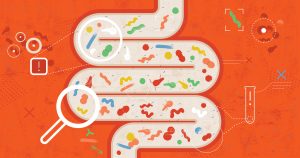
Is the human microbiome an endangered species? Dr. Martin Blaser, author of “Missing Microbes: How the Overuse of Antibiotics Is Fueling Our Modern Plagues,” has also been featured in a documentary, The Invisible Extinction, that explores the dire consequences of our depleted microbiomes. Antibiotic overuse, C-sections, lack of breast-feeding, ultra-processed food, lack of exposure to nature, and chlorinated water conspire to deplete our bodies of beneficial bacteria; these imbalances in intestinal flora have profound, far-reaching effects, not just on digestive disorders, but on immunity, metabolism, and brain function. Conditions like insulin resistance, obesity, Parkinson’s Disease, depression and anxiety, and many more have been linked to microbiome deficits. What lessons do stool samples from indigenous peoples offer us? There may be a transgenerational effect of microbiome depletion. Dr. Blaser has gone so far as to advocate a Microbiome Vault to preserve our bacterial heritage. Are fecal transplants and poop pills the answer? “Vaginal seeding”? What role do high-fiber diets play? Are fermented foods beneficial? What about probiotics? Dr. Blaser describes measures we need to take now to recover our microbial diversity.


ENCORE: Intelligent Medicine Radio for May 10

Part 1: A Natural Antidote to Hair Graying

Neuroprotection is just about pricey moonshot Alzheimer drugs; Green tea, melatonin, quercetin, aerobic exercise tackle brain inflammation; Glyphosate may contribute to Alzheimer’s surge; Supplements to extend sleep; A popular social media influencer makes shady claims about blood pressure supplements; Diet can influence the prognosis of early ovarian cancer; Omega-3s slow biological aging; A natural antidote to hair graying. 


Part 2: Novel Non-Addictive Pain Drug

Moderate—but not excessive—exercise can curb appetite; When you’re older does your ability to absorb supplements decline? FDA warns against eye drop to change eye color; Are soy supplements safe for breast cancer patients? Most ditch GLP-1 drugs after one year; Some B-complex supplements don’t deliver full suite of B vitamins; Novel non-addictive pain drug approved; Why mosquitoes can bite in mid-winter; Oops—surgeon removes patient’s liver, mistaking it for spleen. 


References and Resources

Luteolin, an antioxidant in vegetables, may contribute to the prevention of hair graying
Antioxidants, 2024; 13 (12): 1549 DOI: 10.3390/antiox13121549

Prognosis following a diagnosis of invasive epithelial ovarian cancer is poor. Some studies have suggested modifiable behaviors, like diet, are associated with survival but the evidence is inconsistent
The American Journal of Clinical Nutrition Available online 5 February 2025

Omega-3 supplements slow biological ageing
By Felicity Nelson, Nature  February 3, 2025

Study reveals lasting effect of common herbicide on brain health
Journal of Neuroinflammation, 2024; 21 (1) DOI: 10.1186/s12974-024-03290-6

Lab findings support the concept that reducing neuroinflammation could help fight Alzheimer’s
Immunity, 2025; DOI: 10.1016/j.immuni.2025.01.007

Green tea may protect the aging brain
By Asia Sherman, Nutra Ingredients USA  January 15, 2025

Aerobic exercise: A powerful ally in fight against Alzheimer’s
Brain Research, 2025; 1850: 149419 DOI: 10.1016/j.brainres.2024.149419

Is soy safe for patients with breast cancer
By Gina Van Thomme & Molly Adams,  MD Anderson Cancer Center  October 14, 2024

Family alleges cover-up in case of patient who died after having his liver removed
By Kristrina Fiore, MedPageToday  January 31, 2025

Most ditch GLP-1 drugs for weight loss within a year
By Kristen Monaco, MedPage Today  January 31, 2025

Drops that change eye color? Experts sound the alarm
By Jennifer Henderson, MedPage Today  August 30, 2024

Vertex announces FDA approval of JOURNAVX (suzetrigine), a first-in-class treatment for adults with moderate to severe acute pain
Vertex  January 30, 2025

‘London Underground’ mosquito has surprisingly ancient origins
By Chris Simms, Nature  February 5, 2025

Study suggests soy isoflavones do not have estrogenic effects
Advances in Nutrition Volume 16, Issue 1, January 2025, 100327

Moderate exercise keeps appetite at bay
Physiological Reports, 2024; 12 (24) DOI: 10.14814/phy2.70167


ENCORE: Q&A with Leyla: Wearable Devices

ENCORE: Q&A with Leyla, Part 1: Ozempic Case Study

  • Intelligent Medicine reviews
  • A case study on Ozempic
  • Can stem cells reverse diabetes?


ENCORE: Q&A with Leyla, Part 2: Wearable Devices

  • A possible solution for menopause/post-menopause vaginal atrophy
  • Medicare vs. medicare advantage
  • My doctor has me on three different blood pressure meds making me very tired every afternoon. Any suggestions?
  • Wearable device heart rate zones


Redefining Movement for Injury-Free Athletics

Henry Abbott, former ESPN journalist, basketball expert, and author of the highly anticipated book “Ballistic: The New Science of Injury-Free Athletic Performance,” details how advanced biomechanical analysis can help prevent athletic injuries. Abbott explains the significance of movement patterns, particularly how techniques used by elite athletes at the Peak Performance Project (P3) in Santa Barbara can be applied to everyday people. The conversation covers various topics, including plyometrics, the importance of hip stability and mobility, and the potential for new technologies like AI and computer vision to bring these advanced assessments and training techniques to a wider audience. The episode is rich in practical advice for maintaining physical health and mobility through a lifelong commitment to better movement practices.


Understanding and Combating Environmental Toxins

Dr. Ronald Hoffman is joined by Dr. Aly Cohen, a board-certified rheumatologist and integrative medicine physician. They delve into the pervasive issue of environmental toxins and their adverse effects on health. Dr. Cohen, who also manages the environmental medicine curriculum at the University of California, Irvine, discusses insights from her new book “Detoxify: The Everyday Toxins Harming Your Immune System and How to Defend Against Them.” The conversation covers practical steps to mitigate exposure to harmful chemicals, the rise of autoimmune diseases, and strategies for detoxification, including diet, exercise, and proper hydration. Dr. Cohen also shares her personal journey into environmental health, sparked by her dog’s illness, and emphasizes the importance of proactive self-care in a world filled with toxins.


Intelligent Medicine Radio for May 3: Hair Analysis

Intelligent Medicine Radio for May 3, Part 1: Antiviral Chewing Gum

When Keto diets cause cholesterol to soar—but without increasing artery plaque; Natural antiviral chewing gum blocks influenza A, herpes virus, may hold bird flu potential; Overlooked ingredient in ultra-processed foods may be why they’re so harmful; Gambling addiction soars after legalization of online betting; Weightlifting helps sleep more than any other exercise modality, slashes diabetes risk, too.


Intelligent Medicine Radio for May 3, Part 2: Hair Analysis

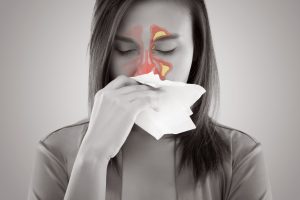
Is hair analysis reliable for nutritional assessment? How to prevent recurrence of nasal polyps after sinus surgery; Diet matters after diagnosis of ovarian cancer; Health benefits of grass-fed butter; Does magnesium really improve sleep quality? Vitamin E for tardive dyskinesia; Continuous glucose monitors may exaggerate blood sugars.


References & Resources

High muscle strength linked to lower risk of type 2 diabetes
BMC Medicine, 2025; 23 (1) DOI: 10.1186/s12916-024-03819-9

How weightlifting helps with sleep
Family Medicine and Community Health 2025;13:e003056.

Gambling addiction in the age of sportsbooks
JAMA Intern Med. 2025;185(4):382–389. doi:10.1001/jamainternmed.2024.8193

Is it time to take a closer look at ultraprocessed foods?
The American Journal of Clinical Nutrition Volume 121, Issue 4p752-753April 2025

An antiviral chewing gum to reduce influenza and herpes simplex virus transmission
Molecular Therapy, 2025; 33 (1): 184 DOI: 10.1016/j.ymthe.2024.12.008

Low-carb keto diet may not raise heart disease risk, new study suggests
By Mellisa Rudy, FoxNews.com  April 8, 2025

Plaque begets plaque, ApoB does not: Longitudinal data from the KETO-CTA trial
JACC Adv. Apr 07, 2025. Epublished DOI: 10.1016/j.jacadv.2025.101686

Continuous glucose monitor overestimates glycemic, with the magnitude of bias varying by postprandial test and individual-a randomized crossover trial
The American Journal of Clinical Nutrition. Available online February 2025

What do we know about Vitamin E in Tardive Dyskinesia treatment?
Arch Gen Psychiatry. 1999;56(9):836-841. doi:10.1001/archpsyc.56.9.836

Magnesium-L-threonate improves sleep quality and daytime functioning in adults with self-reported sleep problems
Sleep Medicine: X  Volume 8, 15 December 2024, 100121

Association of magnesium intake with sleep duration and sleep quality: findings from the CARDIA study
Sleep. 2022 Apr 11;45(4):zsab276. doi: 10.1093/sleep/zsab276.

The health benefits of grass-fed butter
By Dr. Sanchari Sinha Dutta 

Prevalence of polyp recurrence after endoscopic sinus surgery for chronic rhinosinusitis with nasal polyps
Laryngoscope. 2017 Mar;127(3):550-555. doi: 10.1002/lary.26391. Epub 2016 Nov 12. PMID: 27859303; PMCID: PMC5321782.

Diet and survival after a diagnosis of ovarian cancer: a pooled analysis from the Ovarian  Cancer Association Consortium
Am J Clin Nutr  Volume 121, Issue 4p758-768 April 2025


ENCORE: Q&A with Leyla: Glaucoma v. Cataracts

ENCORE: Q&A with Leyla, Part 1: Almonds and Blood Sugar

  • Study: A handful of almonds before meals promotes weight loss, reduces belly fat, improves blood sugar, lipids, may reverse diabetes
  • A better alternative to bicarb for GERD symptoms
  • Please critique the Wapo article on probiotics impact on gut health
  • Is the Atkins Diet a healthy way to eat low carb?


ENCORE: Q&A with Leyla, Part 2: Glaucoma v. Cataracts

  • Can you speak to the issue of fluoroquinolone toxicity?
  • Can taking turmeric interfere with iron absorption?
  • Could you discuss the differences between glaucoma vs. cataracts?


Healing from Within: The Science of Enzymes and Digestion

Enhancing Gut Health with Innovative Digestive Enzymes: In this episode of the Intelligent Medicine podcast, Dr. Ronald Hoffman discusses the importance of digestive enzymes, particularly innovative formulations, with guest Steven Wright, a health engineer and co-founder of Healthy Gut. They delve into Wright’s journey with digestive health, his development of the enzyme product HoloZyme, and its efficacy backed by clinical trials. Dr. Hoffman and Wright also explore the benefits of tributyrin butyrate supplements for gut health. They emphasize the role of enzymes in combating IBS, dietary intolerances, and enhancing overall digestion. The episode also features a special offer for HoloZyme on healthygut.com.


ENCORE: Food for Thought: Enhancing Mental Health through Nutrition

Dr. Drew Ramsey is a pioneer in the emerging field of Nutritional Psychiatry and author of “Eat to Beat Depression and Anxiety: Nourish Your Way to Better Mental Health in Six Weeks.” Dr. Ramsey reviews the remarkable research that has demonstrated the efficacy of diet for improving mental health outcomes. The foods we eat impact our brain function for better or for worse, delivering essential nutrients, fostering a healthy microbiome, combatting inflammation, encouraging neuroplasticity, and supporting neurotransmitters. He is co-developer of the Antidepressant Food Scale that rates foods based on their potential to support well-being. He is also director of the Brain Food Clinic, which offers integrative psychiatric care incorporating “dietary assessment and food prescription along with coaching, meal planning, and hands on skill building in your kitchen.” He believes that no single diet offers a panacea for mental health optimization, but that replacement of ultra-processed food with nutrient-dense alternatives offers the most benefits with ease of compliance.