Intelligent Medicine Radio for April 11: Tattoos Carry Long-Term Health Risks

Part 1: Muscle as Promoter of Overall Health

Expect a renewed push to take a statin at your next doctor’s visit; PREVENT online calculator skews decisions to prescribe cholesterol reduction as early as 30; American Heart Association discourages at-risk patients from taking fish oil and garlic supplements—REALLY? Renewed interest in muscle as promoter of overall health and metabolism; The key role of urolithin A (Mitopure®️) for supporting muscle function. Is DHEA a reasonable supplement for post-menopausal women?


Part 2: Tattoos Carry Long-Term Health Risks

CEO of large hospital system makes controversial call to replace radiologists with AI; Inclusion Body Myositis—is it curable? New worries over flame retardants in recycled black plastic utensils; Scientists discover link to toxic microbiome byproducts in causation of ALS, frontotemporal dementia; When depression-sufferers lose all interest in food; Eating plenty of fresh fruits and vegetables incurs risk of bio-accumulation of pesticide residues; Tattoos carry long-term health risks.



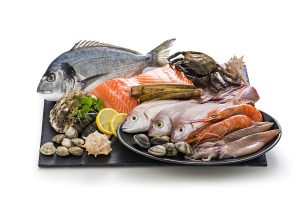





Q&A with Leyla: Are there any drawbacks to eating canned fish?

Q&A with Leyla, Part 1: The Take Back Your Health Tour

  • The benefits of sauna
  • The Take Back Your Health Tour
  • A follow-up on milk thistle interactions with drugs
  • What are your thoughts on low-dose saw palmetto for hair growth?
  • Is monk fruit a safe sweetener to use?


Q&A with Leyla, Part 2: Are there any drawbacks to eating canned fish?

  • Would strontium help in the healing of lumbar fractures?  How about as a preventive?
  • How valuable is the hs-CRP test?  
  • Are there any drawbacks to eating canned fish?
  • What are your thoughts on Arterosil for cardiovascular health?


Next-Generation Fish Oil and More with Dr. Jeffrey Bland

Dr. Jeffrey Bland, Founder and President of the Personalized Lifestyle Medicine Institute and President of Big Bold Health, is described as the “godfather of functional medicine.” He details the origins of functional medicine as a systems-biology, root-cause approach emphasizing diet, lifestyle, and supplements alongside conventional allopathic care, especially for chronic disease. Bland contrasts medication “number needed to treat” examples (statins and TNF-alpha blockers) with personalized lifestyle interventions, noting adherence challenges. He discusses GLP-1 weight-loss drugs as a major pharmacologic advance but raises concerns about long-term effects, discontinuation rates, side effects, and inadequate nutrition if food intake drops. Bland describes research on bitter compounds and gut “taste” receptors influencing GLP-1 and related hormones, links to Blue Zone diets, and introduces Big Bold Health’s Himalayan Tartary Buckwheat and minimally processed, sustainably sourced fish oil products, the Omega-3 index, and targeted formulations with lutein/astaxanthin, plus ongoing clinical trials on immune aging and gene expression.


Battling the Food Giants: How to Safeguard Our Nutrition

Dr. Sina McCullough, author of “Hands Off My Food! How to Defend Your Food, Health, and Freedom,” argues that bureaucrats, multinational biotech corporations, and regulatory loopholes have helped adulterate the U.S. food supply. McCullough describes nearly dying from rheumatoid arthritis after years of worsening symptoms despite a “clean” organic, paleo-style diet, then recovering through functional testing that revealed 15 nutrient deficiencies, food sensitivities, and arsenic poisoning; she says she healed without pharmaceuticals. She explains that nutrition training often ignores food adulterants and claims the FDA facilitates markets rather than ensures safety, highlighting the GRAS loophole, voluntary notification, lack of long-term and cumulative testing, and industry influence via the revolving door. Examples include trans fats, glyphosate formulation issues, gene-edited crops, and recombinant bovine growth hormone approvals and labeling. She discusses organic loopholes and emphasizes solutions: read labels, “feed the good and starve the bad,” vote with purchasing, seek third-party certifications, and know your farmer; she also promotes her Beyond Labels podcast with farmer Joel Salatin.


Intelligent Medicine Radio for April 4: The Ultimate Weight Loss Plan—The Boring Diet

Part 1: A New, Enhanced Form of Fish Oil

Social media and AI—the digital equivalents of ultra-processed junk food–are undermining our brain power; Are natural non-caloric sweeteners—erythritol, xylitol and stevia—safe? A pig’s brain has been flash frozen, and reanimated, signaling new prospects for cryopreservation after death; Dr. Jeffrey Bland weighs in on a new, enhanced form of fish oil from Big Bold Health.


Part 2: The Ultimate Weight Loss Plan—The Boring Diet

Heart Association clashes with RFK, Jr., doubles down on recommendation for low-fat diets; Why the evidence for meat and full-fat dairy avoidance is weak; What are the health benefits of circumcision? The ultimate weight loss plan—the Boring Diet; Substituting famotidine for PPIs for reflux; Midlife vitamin D curbs Alzheimer’s risk; Natural support for polymyalgia rheumatica; What teens eat could be affecting their mental health.


Q&A with Leyla: Farmed v. Wild Caught Seafood

Q&A with Leyla, Part 1: Dr. Hoffman’s New Zealand Bike Trip

  • Highlights from Dr. Hoffman’s New Zealand bike trip
  • Do you prefer whey protein isolate or concentrate?
  • My liver enzymes went up taking a statin drug. My doctor recommends I take milk thistle. What are your thoughts?
  • If any supplement protocols are out of stock, should we make substitutions?


Q&A with Leyla, Part 2: Farmed v. Wild Caught Seafood

  • What are your thoughts on peptides?
  • So it’s not possible to get enough protein from plants only?
  • What about the downsides to animal protein?
  • Are there any negative reports on the usage of extra virgin olive oil?
  • Is it true that the nutritional value of farmed seafood is the same as wild caught?


ENCORE: Chronic Pain: The Psychophysiological Perspective with Dr. David Clarke

Dr. David Clarke, president of the Psychophysiologic Disorders Association, details the link between stress and chronic pain and the scope of brain-generated symptoms. Clarke says many patients have symptoms not explained by disease or injury, estimating about 20% of U.S. adults (about 50 million) live with chronic pain, with costs estimated at $650 billion, and notes clinicians are often not trained to evaluate psychosocial stressors. He describes clues that pain is brain-generated (e.g., multiple long-lasting or shifting symptoms, lack of objective nerve damage) and a broad symptom spectrum from migraines and IBS to pelvic pain and rashes. Clarke discusses adverse childhood experiences, triggers, personality traits, and repressed emotions, cites randomized trials showing “pain relief psychology” can reduce pain and change MRI findings, and shares resources including a clinician directory, self-assessment quiz, and the Curable app. 


ENCORE: Optimizing Metabolic Health: The Power of Continuous Glucose Monitors

How Continuous Glucose Monitors Can Optimize Metabolic Health—and Where GLP-1 Drugs Fit: Emergency physician-turned-preventive/metabolic medicine specialist Dr. Paul Kolodzik of Metabolic MD reveals how continuous glucose monitors (CGMs) are a tool not only for diabetics but also for non-diabetics and pre-diabetics to personalize diet, sleep, and exercise by seeing real-time glucose patterns instead of relying on fingersticks or A1c averages. Kolodzik describes CGM use in his clinic (two-week diagnostic wear, then therapeutic guidance), highlights insulin resistance, fasting insulin testing, glucose variability, and the role of low-carb eating, intermittent fasting, and strength training to improve metabolic syndrome, triglycerides, and fatty liver. They discuss CGM sourcing/cost, device mechanics and accuracy, possible future noninvasive wearables, and GLP-1/GIP weight-loss drugs, emphasizing supervised, limited-dose use with protein and lifestyle changes to avoid muscle loss and weight regain. A free PDF of Kolodzik’s book is offered HERE.  


ENCORE: Intelligent Medicine Radio for March 28: Are eggs good or bad for the brain?

Part 1: Are eggs good or bad for the brain?

Are eggs good or bad for the brain? Low levels of a key nutrient can foster anxiety; Dealing with muscle cramps that develop hours after exercise; Garlic mouthwash outperforms chemical antibacterials; 76% of the world’s population aren’t getting enough omega-3s; Surgery may hasten progression to Alzheimer’s, but a vitamin may help; After marijuana legalization, some states want a do-over.


Part 2: Hobbies may forestall all-cause mortality—by 29%!

The pros and cons of natural vs synthetic vitamins; Telehealth site for ADD meds lands founder in prison; Why eradicating H. pylori may set the stage for Alzheimer’s; Why integrative physicians often don’t accept insurance; Far-infrared phototherapy may offer “electroceutical” treatment for dementia; Hobbies may forestall all-cause mortality—by 29%! 


ENCORE: Q&A with Leyla: Spelt Matzoh v. Traditional Wheat Matzoh

Part 1: Spelt Matzoh v. Traditional Wheat Matzoh

  • Half of US adults are interested in GLP-1 agonists for weight loss
  • Is spelt matzoh better than traditional wheat matzoh for Passover?
  • Is a dry red wine preferable to sweet wine or grape juice?
  • Is Einkorn flour a better alternative to modern wheat?
  • Which liver support supplements are best for alcoholic issues?


Part 2: Tingling After a Shingles Outbreak

  • I was diagnosed with Exocrine Pancreatic Insufficiency. Which digestive enzymes are best to take?
  • I still have pain and tingling after a shingles outbreak. What can I take for it?
  • So many protein shakes contain carrageenan, but isn’t it a carcinogen?
  • My 5-year-old grandson has pancolitis.  Do you have any recommendations?
  • What do you think of an organic acids test for chronic fatigue?
  • How can I find the cause of my atopic dermatitis?