Q&A with Leyla: Restless Legs Syndrome

Q&A with Leyla, Part 1: Calcium and Strontium

  • A discussion on diet and health
  • Folic acid-fortified foods and cancer
  • How do I use your store?
  • Why are calcium and strontium often put together in some supplements when they’re supposed to be taken apart?


Q&A with Leyla, Part 2: Restless Legs Syndrome

  • They’re back!  Fruit and veggie pills
  • The benefits of Pycnogenol in lipedema
  • What are some good supplements for my 14- and 18-year-old grandsons?
  • What can I do about my restless legs syndrome?


Preventive Medicine: From Past Discoveries to Future Challenges

Preventive Medicine and the “Preventioneers”–From Benjamin Franklin to Modern Public Health: Dr. Ronald Hoffman interviews public health physician Dr. Barry Davis, MD-PhD, author of “The Preventioneers: Diseases, Disasters, and the Discoveries That Changed Our World,” about why preventive knowledge often fails to translate into action. Davis explains Benjamin Franklin’s “ounce of prevention” quote originated in fire prevention and led to innovations like fire companies, building codes, lightning rods, the Franklin stove, and fire insurance. They discuss hypertension as a “silent killer,” the VA clinical trials proving blood-pressure lowering prevents strokes and heart attacks, and the modern gap in awareness and control, alongside systemic barriers like access, adherence, and clinical inertia. Davis outlines a prevention framework—recognition, evidence, translation, implementation—and persistent resistance from industry, addiction, glamour, and the “invisibility problem,” noting only 2.9% of U.S. health spending goes to prevention. They cover clinical trials, peer review, bias, confounding, Mendelian randomization, statin evidence, Semmelweis and handwashing, seatbelt adoption, AI as an emerging prevention challenge, and rebuilding public trust after COVID through better communication and coordination.


The Science and Benefits of Nitric Oxide: The Swiss Army Knife Nutrient for Health

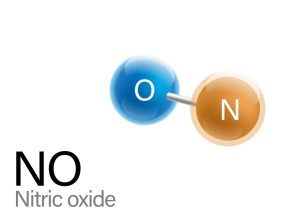
Nitric Oxide: Supporting Vascular Health, Performance, and the Oral Microbiome with Dr. Nathan Bryan: Dr. Ronald Hoffman interviews nitric oxide researcher and entrepreneur Dr. Nathan Bryan about nitric oxide (NO) as a short-lived signaling gas that dilates blood vessels, reduces inflammation, mobilizes stem cells, supports mitochondria, and is linked to longevity. Bryan explains two NO production pathways: nitric oxide synthase from L-arginine and an entero-salivary nitrate pathway requiring dietary nitrate, specific oral bacteria, and stomach acid; he says sugar-heavy diets, fluoride toothpaste, antiseptic mouthwash, and proton pump inhibitors inhibit NO. Symptoms of deficiency include erectile dysfunction, rising blood pressure, metabolic disease/diabetes, exercise intolerance, and dementia/Alzheimer’s. They discuss limitations of many beet products, Bryan’s N-101 lozenges and NOBeats powder that generate NO, topical NO for wound healing and skincare, a fluoride-free prebiotic toothpaste, an upcoming mouth rinse, potential benefits for resistant hypertension, insulin resistance, cognition, and eye conditions like glaucoma, and access/discount details via hoffmannno.com.


Intelligent Medicine Radio for October 3: The Health Scourge of E-Bikes

Part 1: More Powerful Weight Loss Drugs Are On The Launchpad

Ever more powerful weight loss drugs are on the launchpad as FDA issues warnings about bootleg versions—and potential hazards of drastic weight loss to seniors and those with eating disorders; Botched Tennessee execution—how can that happen? Immune support for respiratory syncytial virus (RSV) in a lung cancer survivor; Should beta-glucans be taken with—or away from—food for optimal absorption? Boosting bone density with an exercise program targeted for osteopenia/fall prevention.


Part 2: The Health Scourge of E-Bikes

Do you have to worry about too much vitamin A from supplements? Urolithin A scores against a common form of heart failure; Most blood tests don’t require fasting; The health scourge of E-bikes; Slashing sugar before antibiotics reduces harms to microbiome; Study shows inadequate REM sleep associated with 83 diseases—but doubts persist over accuracy of sleep wearables.


Q&A with Leyla: Detoxing Microplastics

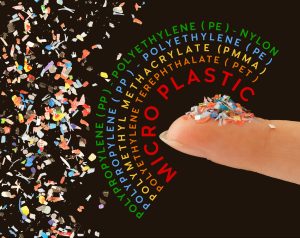
Q&A with Leyla, Part 1: Detoxing Microplastics

  • The benefits of kimchi for detoxing microplastics
  • What do you recommend my husband take to recover from Bell’s Palsy?  
  • Follow-up on coronary artery inflammation question


Q&A with Leyla, Part 2: Benefits of Pilates

  • The benefits of Pilates
  • What does it mean that certain brands of nattokinase are “free of K2”?
  • Should I avoid soy products due to my history of breast cancer?
  • How can I choose the best fish oil? Is there a certain dose you recommend?
  • Is there any other supplement I can take besides 5-HTP for mood?  What about SAMe?
  • Is there any relief for my friend with ulcerative colitis?


Decoding Omega-3 Benefits: A Discussion with the Godfather of Functional Medicine

Fish Oil, Full-Spectrum Omega-3s, and Immunometabolism with Dr. Jeffrey Bland: Dr. Ronald Hoffman interviews Dr. Jeffrey Bland, founder of the Personalized Lifestyle Medicine Institute and Big Bold Health, about fish oil and omega-3 science. Bland recounts becoming involved with commercial fish oil in 1980 while promoting MaxEPA amid the “fat is bad” era and discusses Greenland Inuit research showing high omega-3 blood levels and low heart disease. They contrast whole-food omega-3 intake with highly refined EPA/DHA products, highlighting additional constituents in minimally processed oils (vitamins A and D, astaxanthin) and precursor compounds related to specialized pro-resolving mediators. Bland describes Omega-3 Rejuvenate’s Alaska line-caught sourcing and low-heat, chemical-free processing, and addresses concerns about mercury, microplastics, and vitamin A dosing. The conversation also covers PLMI’s focus on immunometabolism, a CBC-derived SIRI marker, omega-3 insufficiency data from Fullscript, mitochondrial membrane support by DHA, and Bland’s upcoming book, “The Nourished Gene.”


How’s Your Cholesterol Level? Why Your LDL Numbers May Not Tell the Whole Story

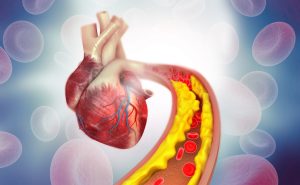
Cholesterol Beyond the Basics: ApoB, Lp(a), Stress, and Aged Garlic Extract for Cardiovascular Risk: Dr. Ronald Hoffman interviews clinical pharmacist and nutritionist Jim LaValle about cardiovascular risk factors beyond total cholesterol, emphasizing that blood tests measure lipoprotein particles and subfractions rather than cholesterol itself. They discuss limitations of relying on surrogate markers, the role of lifestyle (diet, exercise, sleep, stress, glucose control), and advanced markers such as ApoB, Lp(a), oxidized LDL, and Lp-PLA2, noting that lowering Lp(a) or improving markers doesn’t always improve outcomes. LaValle highlights ApoB as a key risk barometer, reviews evidence for aged garlic extract lowering ApoB, slowing coronary artery calcification, regressing vulnerable plaque, and improving vascular function, and supports combining supplements with appropriate medications. They address lean-mass hyper-responders on ketogenic diets, debate broad statin use in seniors, and cover stress/cortisol dysregulation, hormone effects, and appropriate use of GLP-1 drugs for weight and metabolic risk.


Intelligent Medicine Radio for September 26: What Super-Agers Over 100 Have in Common

Part 1: What Super-Agers Over 100 Have in Common

We take the keys away from older drivers—why not older doctors? Nearly 3 in 4 Americans battling this health problem—fatigue! What super-agers over 100 have in common—a hyper-vigilant immune system guarding against cancers and infections. How does “anabolic resistance” contribute to frailty—and what to do about it? Recurrent bouts of “burning sensations” on the face—diagnosis please?


Part 2: Dry Fasting

Deadline looms for ban on hemp-derived CBD/THC products—while legal pot proliferates; Scientists disclose IBD benefits of urolithin A; “Dry-fasting” is a new fad—is it healthy? Short “exercise snacks” to break up prolonged inactivity benefit attention and cognition; Kimchi and designer probiotics show promise for flushing out microplastics; LSD soon to be approved as a prescription for anxiety.


Leyla Weighs In: The Connection Between Sleep Cycles, Growth Hormone, and Metabolic Health

Sleep, Growth Hormone, and Autophagy: How Rest, Diet, and Fasting Support Metabolic Health and Longevity: Nutritionist Leyla Muedin discusses how deep, early non-REM sleep boosts growth hormone for muscle, bone, fat burning, and metabolic health, and reviews a Cell study in which UC Berkeley researchers mapped hypothalamic circuits and feedback through the locus coeruleus showing a tight balance between sleep, growth hormone release, and wakefulness, with implications for metabolic disease and neurodegeneration. She connects poor sleep to higher blood sugar, insulin, and cortisol, which can suppress growth hormone, and advises avoiding sweet post-workout foods (e.g., smoothies, bananas, fruit yogurt) that stimulate insulin and blunt growth hormone, recommending protein and fat instead. She then explains autophagy and mitophagy as cellular cleanup processes linked to longevity, noting autophagy peaks after 12 hours of fasting, highlighting roles in mitochondrial quality control, immunity, and neurodegenerative disease, and mentions interventions such as fasting, exercise, ketogenic diets, and investigational inducers like rapamycin and urolithin A.







ENCORE: Q&A with Leyla: America’s Food Fight

Q&A with Leyla, Part 1: America’s Food Fight

  • America’s food fight and dietary guidelines
  • My son-in-law suffers from bloating and abdominal pain. Any suggestions?
  • I have positive but low anti-gliadin antibodies. Should I embark on a gluten-free diet?


Q&A with Leyla, Part 2: CoQ10 v. PQQ

  • I’m a 70-year-old woman with hip arthritis. Any recommendations?
  • A treatment on the horizon for high Lipoprotein (a)?
  • After chemotherapy to help shrink a tumor near my husband’s spine, he now has numbness and neuropathy in his legs
  • Another study implicates meat, and now poultry and fish, in causing cardiovascular disease
  • What do you think of Consumer Lab’s recommendations on supplements?
  • I take CoQ10, but I just heard about PQQ. What are your thoughts?