Q&A with Leyla: Helpful Nutrition for Cancer

Q&A with Leyla, Part 1: Helpful Nutrition for Cancer

  • Pope Leo’s cancer diagnosis and treatment
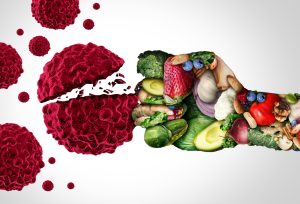
  • Helpful nutrition for cancer
  • My LDL cholesterol is higher now, but my calcium score is “0”.  Should I be concerned?


Q&A with Leyla, Part 2: Spinal Stenosis

  • My husband’s homocysteine went up to 15, and he already takes Methyl Action.  What else can he take to lower it?
  • I had candida in the past.  Is it okay for me to take a supplement that contains baker’s yeast?
  • Is there anything I can do to alleviate spinal stenosis?
  • What kind of creatine supplement should I take, and how much to regain muscle strength?


ENCORE: Redefining Movement for Injury-Free Athletics

Henry Abbott, former ESPN journalist, basketball expert, and author of the highly anticipated book “Ballistic: The New Science of Injury-Free Athletic Performance,” details how advanced biomechanical analysis can help prevent athletic injuries. Abbott explains the significance of movement patterns, particularly how techniques used by elite athletes at the Peak Performance Project (P3) in Santa Barbara can be applied to everyday people. The conversation covers various topics, including plyometrics, the importance of hip stability and mobility, and the potential for new technologies like AI and computer vision to bring these advanced assessments and training techniques to a wider audience. The episode is rich in practical advice for maintaining physical health and mobility through a lifelong commitment to better movement practices.


The Ultimate Battle for Open Supplement Access

Jonathan Emord on ANH Legal Strategy, FDA Overreach, and the Fight for Health Freedom

Dr. Ronald Hoffman interviews constitutional attorney Jonathan Emord, newly appointed general counsel for the Alliance for Natural Health (ANH). He discusses advancing health freedom and access to truthful information on natural products. Emord recounts his 1999 Pearson v. Shalala victory, which established First Amendment protections for qualified supplement health claims. He notes FDA resistance and broader administrative-state dynamics.

He argues FDA regulation is economically protectionist, suppressing nutrient-disease information while favoring patented drugs. He cites COVID-era censorship and agency capture via the revolving door. Emord explains Chevron deference and its reversal in Loper Bright v. Raimondo, and describes broader administrative-state dynamics. He outlines ANH initiatives, including petitions and potential litigation to expand lawful structure/function claims. He also addresses restrictions involving peptides, homeopathy, CBD, and natural thyroid. Listeners are urged to support ANH at anh-usa.org.


Intelligent Medicine Radio for October 17: Possible Causes of Hip Pain

Part 1: The Pope’s Lung Cancer

The Pope’s lung cancer diagnosis offers a window on advances in cancer detection, treatment; The supplements I recommend the Pope take to prevent recurrence; Novel injection therapy melts fat cells; Is cholesterol the be-all/end-all for heart risk assessment? Is the new mRNA flu vaccine worth taking?


Part 2: Possible Causes of Hip Pain

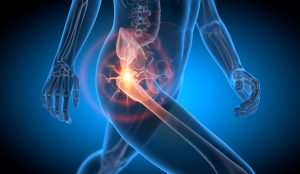
Humans are hardwired for generosity—but brain rewards are greater for voluntary philanthropy than paying our tax bills; Apple cider vinegar—are benefits real? Loneliness may steal 6 years of good health—but is it inevitable for introverts? Neanderthals may have used birch “glue” for wound healing; The many possible causes of hip pain; Popular pain remedy may yield scant benefits, hike risk of adverse side effects; Solutions for travelers’ constipation.


Q&A with Leyla: Getting Back to Sleep After Late Night Bathroom Break

Q&A with Leyla, Part 1: Getting Back to Sleep After Late Night Bathroom Break

  • Folic acid vs. methylfolate. Which is better?
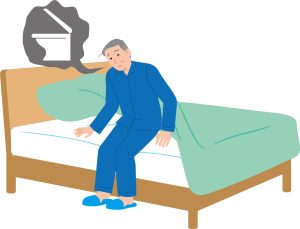
  • What do you recommend I take to get back to sleep when I wake at 2 AM to go to the bathroom?


Q&A with Leyla, Part 2: Recovering from Bowel Upset after Antibiotic Course

  • Is it safe for me to take DHEA given my family history of breast and uterine cancers?
  • I still have stomach and bowel upset after completing a round of antibiotics 2 months ago.  
  • What’s the best type of exercise for a type 2 diabetic? Aerobics or resistance training?
  • I have IBS, but my doctor confirmed no gluten sensitivity.  hen why do I have symptoms when I eat wheat?


Beyond Medication: Nutritional Alternatives for Mood Enhancement

Nutritional Support for Mood: Magnesium, 5-HTP, Adaptogens, and the Folic Acid Debate: Dr. Ronald Hoffman interviews Neil Levin of NOW Foods/Protocol for Life Balance about rising depression and anxiety and the roles of lifestyle, social media, stress, diet, sleep, and exercise in mood. They discuss nutrient cofactors for neurotransmitter production, emphasizing B vitamins, magnesium, zinc, omega-3s, and gut health/fiber, plus concerns about heavy metals like lead and possible links to mood and violence. Levin contrasts tryptophan vs 5-HTP (blood-brain barrier, dosing, serotonin/melatonin) and reviews supplements for mood support including magnesium glycinate and magnesium threonate (Magtein/Cogumin), ashwagandha KSM-66 for stress and sleep, inositol (often gram-level dosing; PCOS and neurotransmitter effects), and GABA/PharmaGABA. They also address controversy over folic acid fortification, arguing folic acid is proven to reduce neural tube defects, methylfolate marketing has caused misinformation, and very high folate doses may warrant caution in active cancer.


Navigating Parenting in the Digital Age: Social Media Risks, Screen Time, and Practical Strategies

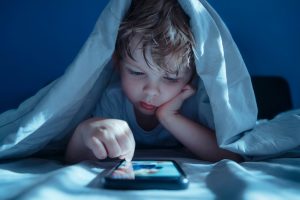
Dr. Ronald Hoffman interviews pediatrician and public health expert Dr. Megan Moreno, co-author of “Connecting: Raising Kids in the Digital World” and co-medical director of the American Academy of Pediatrics Center of Excellence on Social Media and Youth Mental Health, about how social media and technology affect children’s mental and physical health. They discuss evidence linking tech use to sleep disruption and mixed effects on nutrition and physical activity, plus risks including body image comparisons, addictive “frictionless” design in social media and gaming, exposure to disturbing content, cyberbullying, sexting, and impacts of parent device use on connection and language development. Moreno outlines practical, non-punitive strategies: assessing readiness for a phone based on maturity, setting rules on time and location, co-viewing, using device settings with role modeling, watching for problematic use, and maintaining open, supportive conversations.


Intelligent Medicine Radio for October 10: Can Mistletoe Help Treat Cancer? Surprising Insights

Part 1: Weaponized Plague?

Death at clandestine Siberian bio lab raises specter of weaponized plague leak. As aging science faces new bio threats, researchers warn of containment gaps. Oats for constipation—friend or foe? Moreover, how long can supplements keep? Ongoing assessments shape policy and public response.

New weight-loss med that preserves lean body mass nears approval. Reading for pleasure—a waning pastime—enhances memory, mood, and empathy. Experts caution against overreliance on novelty products. Continued research is essential for safe, effective choices. Readers should seek balanced information and verify claims.


Part 2: Mistletoe for Cancer? Aging and Health Narratives

The brouhaha over fortifying foods with folic acid—Is it a cancer promoter? This debate weighs potential risks against possible benefits. It mentions follow-up to a botched Tennessee execution and considers dietary trends such as Whole 30 or Paleo diets for autoimmunity.

Mistletoe for cancer is discussed alongside lifestyle changes that may match cognitive behavioral therapy in improving depression. The discussion presents diverse therapeutic approaches, comparing evidence and outcomes while emphasizing patient choice.

Sugar avoidance in the first 1000 days of life is linked to slower organ aging and a lower risk of chronic disease in later life, suggesting early diet shapes long-term health. This perspective connects infancy nutrition to adult resilience and illustrates how dietary choices echo through aging and quality of life.





Q&A with Leyla: Restless Legs Syndrome

Q&A with Leyla, Part 1: Calcium and Strontium

  • A discussion on diet and health
  • Folic acid-fortified foods and cancer
  • How do I use your store?
  • Why are calcium and strontium often put together in some supplements when they’re supposed to be taken apart?


Q&A with Leyla, Part 2: Restless Legs Syndrome

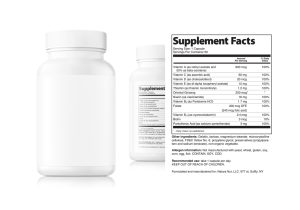
  • They’re back!  Fruit and veggie pills
  • The benefits of Pycnogenol in lipedema
  • What are some good supplements for my 14- and 18-year-old grandsons?
  • What can I do about my restless legs syndrome?


Preventive Medicine: From Past Discoveries to Future Challenges

Preventive Medicine and the “Preventioneers”–From Benjamin Franklin to Modern Public Health: Dr. Ronald Hoffman interviews public health physician Dr. Barry Davis, MD-PhD, author of “The Preventioneers: Diseases, Disasters, and the Discoveries That Changed Our World,” about why preventive knowledge often fails to translate into action. Davis explains Benjamin Franklin’s “ounce of prevention” quote originated in fire prevention and led to innovations like fire companies, building codes, lightning rods, the Franklin stove, and fire insurance. They discuss hypertension as a “silent killer,” the VA clinical trials proving blood-pressure lowering prevents strokes and heart attacks, and the modern gap in awareness and control, alongside systemic barriers like access, adherence, and clinical inertia. Davis outlines a prevention framework—recognition, evidence, translation, implementation—and persistent resistance from industry, addiction, glamour, and the “invisibility problem,” noting only 2.9% of U.S. health spending goes to prevention. They cover clinical trials, peer review, bias, confounding, Mendelian randomization, statin evidence, Semmelweis and handwashing, seatbelt adoption, AI as an emerging prevention challenge, and rebuilding public trust after COVID through better communication and coordination.