Understanding Metabolic Dysfunction: A Deep Dive with Dr. Bret Scher

Dr. Bret Scher, medical director of the Coalition for Metabolic Health, discusses making metabolic health the foundation of medicine amid rising obesity and type 2 diabetes and reports that 93% of Americans have suboptimal metabolic health. Scher defines metabolic health using markers including glucose, insulin, triglycerides, HDL, blood pressure, and waist size, and cites evidence linking insulin resistance to heart disease, stroke, cancer, psychiatric illness, and other complications. They discuss simple self- and lab-assessments (waist-to-height ratio, fasting insulin with glucose/HOMA-IR, triglyceride-to-HDL ratio, CGMs). Scher critiques the Eat Lancet report for assuming one optimal diet, reliance on low-quality nutrition epidemiology, potential nutrient shortfalls, and environmental oversimplification, while supporting newer dietary guidelines that allow lower-carb approaches. Part two covers contradictory nutrition studies, distinctions between low-carb and ketogenic diets, emerging “metabolic psychiatry” and ketogenic therapy for mental illness and cognitive decline, limits and rebound risks of GLP-1 drugs, and Coalition efforts to improve school food and influence policy.


Intelligent Medicine Radio for March 14: Robotic Pets

Part 1: The Havana Syndrome Coverup

The Havana Syndrome coverup—for years, bizarre symptoms were labeled “mass hysteria”, until a covert CIA op secured a portable device capable of delivering brain-scrambling sound pulses; A report card on this year’s flu shot; Omega-3s combat “neuroticism”, dementia—they also tame depression and improve cognitive function and memory in adolescents; A caller with duodenitis wants to know if she should follow advice to take Prilosec for the rest of her life; Is the shingles vaccine worth taking? 


Part 2: Robotic Pets

Robotic pets make life easier for patients with dementia; Risks, benefits of “natural” ED formulas; Sorting out those pricey new injectable osteoporosis drugs; Daily multivitamin delays biological aging; Study challenges notion that aging means inevitable decline; Breastfeeding confers weight loss benefits—to moms; Can you avoid a colonoscopy with a new colon cancer blood test? Color blindness may hide warning signs of cancer.


Q&A with Leyla: Back Pain

Q&A with Leyla, Part 1: Check Your Attitude

  • Want to reverse the declines of ageing? Check your attitude.
  • What are good supplements to take before and after a CT angiogram or any CT with contrast?
  • Can vitamin E increase the risk of hemorrhagic stroke?
  • Is turmeric more bioavailable than curcumin? How much should I use?


Q&A with Leyla, Part 2: Back Pain

  • More on vitamin E studies.
  • How do I know which ingredients to avoid in my shampoo and soaps?
  • I have lower back pain that came out of the blue!
  • What’s the best vitamin C to take for a 78-year-old?
  • Which brand of PEA is the most bioavailable?


Reimagining Assisted Living: Exercise, Nutrition, and Deprescribing

Hal Cranmer, co-owner of A Paradise for Parents assisted living homes in Arizona, details improving senior care beyond “warehousing.” Cranmer describes his path from Air Force pilot to assisted living operator and explains changes he implemented over 12 years, emphasizing meaningful exercise (walks, strength training, yoga, multitasking drills) and an “exercise with oxygen therapy” bike. He highlights excessive polypharmacy in seniors and advocates deprescribing, supplement and hormone support when medically ordered, and avoiding sedating drugs used as chemical restraints. Cranmer details a low-glycemic, low-carbohydrate, ketosis-oriented nutrition approach inspired by Dr. Dale Bredesen, reporting significant weight loss and diabetes medication reduction in residents. He discusses COVID practices that preserved family contact and outdoor time, reporting no COVID deaths in his homes, and describes cognitive training via one-on-one Zoom-based brain exercises and personalized memory games.


The Science of Sleep: Improving Rest and Rejuvenation

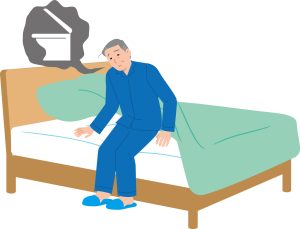
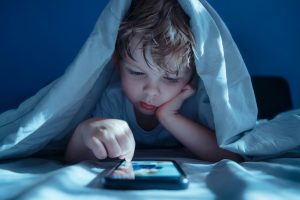
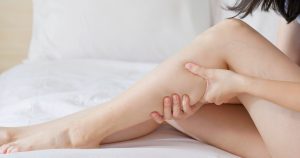
Dr. Jacob Teitelbaum, integrative medicine physician, researcher, and best-selling author, has cutting edge strategies for improving sleep. He emphasizes circadian rhythms, time changes, and jet lag. He details reducing stress and “FOMO” from news and social media, prioritizing sleep by cutting nonessential activities, and the health risks of short sleep, including increased heart attack risk, obesity risk, and impaired immunity, plus the role of deep sleep and the glymphatic system. Teitelbaum recommends a dark, cool room, limiting blue light (eye masks, warm/yellow lighting), bedtime routines, sustained-release melatonin, chamomile tea, herbal blends, lavender, magnesium, and addressing issues like sleep apnea (including positional strategies), restless legs (ferritin testing, iron, magnesium), nocturnal hypoglycemia (protein snacks, phosphatidylserine), reflux (bicarbonate, bed elevation), and selective low-dose medications when needed. They also cover daylight saving time adjustment and travel strategies such as shifting schedules, melatonin timing, hydration, and morning light exposure. 


Intelligent Medicine Radio for March 7: “Culinary Medicine”

Intelligent Medicine Radio for March 7, Part 1: Dismal Prediction

Dismal prediction that, by 2050, 60% of women will suffer from cardiovascular disease; Yes, it’s true that childhood and adolescent obesity, once rare, is now soaring; Treatments for osteopenia; Dentists continue to write prescriptions for potentially deadly antibiotic; A man, in love with his Chatbot, commits suicide to join her in the virtual world; Olive oil is calorie dense—but its consumption results in weight loss; Can “bio-regulator peptides” stave off kidney failure?


Intelligent Medicine Radio for March 7, Part 2: “Culinary Medicine”

Will RFK Jr.’s efforts to promote nutrition education in medical schools stall? Doctors-in-training embrace “culinary medicine”; As Administration relaxes their regulation, PFAS compounds shown to accelerate biological aging; Is there a cure for ringing in the ears? Biopsies reveal microplastics in 90% of prostate cancers; Can you trust the results of your on-line gut microbiome test? Can sunlight tame autoimmune disease? Birdwatchers have enhanced brain regions for attention and perception. Can one have dental x-rays and a brain MRI on the same day?


Q&A with Leyla: Quinoa–NOT a Grain

Q&A with Leyla, Part 1: Quinoa–NOT a Grain

  • A correction from a previous podcast episode
  • Congratulations on 40 years!
  • Quinoa is not a grain—it’s a pseudograin
  • When did poisoning our food fall under ‘defense’? How does MAHA reconcile this?


Q&A with Leyla, Part 2: Glaucoma

  • I have increased pressure in my eyes, leading to glaucoma. Is there any way to avoid this?
  • Can the long-term effects of chemo cause insomnia and nausea?
  • What do you think of flow drops?  
  • I avoid red meat. Would I still get the same benefits from seafood and turkey?
  • What’s the best way to take Endefen powder?


Express Yourself: The Psychological Impact of Authentic Communication

Free Speech, Cancel Culture, and the Mental Health Benefits of Speaking Up: Clinical psychologist Dr. Chloe Carmichael, author of “Can I Say That? Why Free Speech Matters and How to Use It Fearlessly,” frames free expression as a mental health and problem-solving issue amid rising polarization, self-censorship, and cancel culture. Carmichael says authentic speech deepens cognition, aids emotional regulation, and strengthens social support, while chronic suppression can lead to repression, denial, anxiety, depression, and resentment. She describes fear and professional risk after publicly opposing child masking during COVID and argues that labeling speech as “violence” distorts reality, though true threats and incitement differ from words. She distinguishes self-censorship from healthy restraint, offers the WAIT test (Want, Appropriate, Inoculate, Trust), and discusses groupthink, innovation, misinformation debates, time-place-manner limits, and examples from corporate and university settings.


Nutritional Empowerment for Cognitive Health

Nutritional Support for Brain Health: Lifestyle, Curcumin, Magnesium, and Key Nootropics: Nutrition educator/formulator Neil Levin from Protocol for Life Balance details nutritional support for brain health amid skepticism about “brain-boosting” supplements, citing a preprint randomized controlled trial using a multifaceted lifestyle plan (diet, exercise, sleep) plus targeted supplementation that reportedly improved and even reversed symptoms in people with mild cognitive impairment. They contrast lifestyle strategies with costly, side-effect-prone injectable “plaque-buster” Alzheimer’s drugs and notes debate about whether amyloid is a root cause or byproduct. The conversation highlights inflammation and oxidation as major aging-related brain threats and reviews supplements including a brain-targeted curcumin (discussing bioavailability, delivery methods, blood–brain barrier crossing, and claims of lowering beta-amyloid protein), magnesium L-threonate for CNS delivery, phosphatidylserine and acetylcholine support (including huperzine), ginkgo and gotu kola, glutamine/GABA pathways, creatine, omega-3s (DHA/EPA and algae sources), B vitamins, acetyl-L-carnitine, alpha-lipoic acid, and cocoa flavanols, plus concerns about supplement industry enforcement.


Intelligent Medicine Radio for February 28: Are some people more genetically-adapted to the cold?

Part 1: Reversing Dementia

The MAHA backlash over RFK Jr.’s about-face on glyphosate; Amid the partisan divide, Making America Healthy Again cuts across party lines; New study confirms effectiveness of personalized lifestyle interventions for reversing dementia; After an allergic reaction to the Covid shot, is it safe to take other vaccines? Some GLP-1 users are developing scurvy; Six lifestyle hacks that augment weight loss drugs’ cardio benefits.


Part 2: Are some people more genetically-adapted to the cold?

Sugar restriction during the first 1000 days of life may slash heart risk decades later; Are some people more genetically-adapted to the cold? While GLP-1 drugs may shrink muscle, new study confirms natural weight loss diets don’t. Should strength assessments be added to routine physicals to forecast risk of dying? For gut health, take your microbiome for a run! Strontium safety and effectiveness; What are dietitians missing about GLP-1 drugs.