ENCORE: Intelligent Medicine Radio for May 2: Breast-Feeding Moms Gain Less Post-Pregnancy Weight

Part 1: Breast-Feeding Moms Gain Less Post-Pregnancy Weight

Oprah’s new book encourages followers to “free themselves” from “shame and blame” by accessing weight loss meds; Her claim “it’s the obesity gene” is put to the test by twin studies; Study shows brain stimulation with external electronic headset produces weight loss rivaling shots, pills; Ultra-processed food ups daily calorie intake by 500; Breast-feeding moms gain less post-pregnancy weight; Solutions for  Myelodysplastic Syndrome; Scientists find hidden weight gain trigger in soybean oil.


Part 2: Adequate Sleep May Trump Healthy Diet, Exercise for Longevity

Calculators that assess your risk for heart disease miss the boat—half of actual heart attack victims were said to be at low-risk; Why an app could erroneously tell you that you should be taking a statin; New ways to fix a calcified aortic valve; Common amino acid may bust Alzheimer’s plaque, Adequate sleep may trump healthy diet, exercise for longevity; Chinese vegetarians less likely than omnivores to surpass 100; Easily-gobbled “fast food” stokes total daily calorie intake; Common chemicals hike MS risk two-fold; Low-glutamate diet relieves migraines; Fish oil confers substantial stroke, heart attack protection to dialysis patients.


ENCORE: Q&A with Leyla: The Benefits of Bone Broth

Q&A with Leyla, Part 1: Medicine’s Biggest Failures

  • A discussion on the concepts of weight-inclusive care and healthism
  • Some comments on medicine’s biggest failures


Q&A with Leyla, Part 2: The Benefits of Bone Broth

  • I’ve read your book on Mitral Valve Prolapse, and it helped to reduce panic attacks…but I’m still depressed
  • The Singulair debacle 
  • What are your thoughts on the Shingrix vaccine?
  • Is essential tremor causing unsteadiness and balance problems when I’m walking?
  • Can kidney stones be controlled with probiotics?
  • What are your thoughts on bone broth?


From Nutrition to Robotics: Modern Advances in Eye Health

Integrative ophthalmologist Dr. Rudrani Banik previews Eye Summit 2026, a free online event May 11–15 featuring four daily expert sessions on dry eye and ocular surface disease, cataract surgery advances (including robotic and AI-assisted planning), gut health links to eye disease, and mind-body approaches for migraine, concussion, and visual snow, with VIP options for recordings and live panels. They discuss photobiomodulation (red/infrared/yellow light) as an FDA-approved treatment for age-related macular degeneration with clinical trials showing safety and potential vision improvement, plus research on low-level red light for pediatric myopia. Banik emphasizes annual dilated eye exams after 40 to detect glaucoma and systemic disease. The episode covers dry eye nutrition (dietary omega-3s; supplements including GLA and omega-7; lutein/zeaxanthin with vitamin D), preservative concerns (BAK), GLP-1 drug associations with NAION, gene therapy delivery via viral vectors, and macular degeneration prevention with lutein/zeaxanthin-rich foods like kale, colored peppers, and egg yolks.


Physical Therapy and the Path to Healing with Dr. Tom Walters

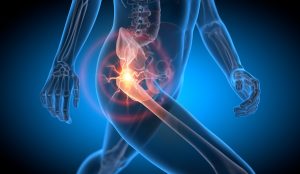
Preventing Injury, Reframing Pain, and Using Physical Therapy to Avoid Unnecessary Surgery: Dr. Tom Walters is a board-certified orthopedic physical therapist, founder of Rehab Science, and author of “Rehab Science: How to Overcome Pain and Heal From Injury,” an illustrated, body-region guide to common orthopedic problems and self-managed therapeutic exercises. Walters emphasizes using PT-style mobility and resistance training preventively to increase tissue capacity, manage load, and avoid overuse injuries, while warning against “no pain, no gain” and excessive volume or weight. He discusses “movement literacy,” hip and glute stabilizers, and how weakness can drive knee and back problems. Dr. Hoffman shares his own hip injury and recovery with targeted strengthening, illustrating that imaging findings often don’t dictate function. Walters explains the biopsychosocial model of pain, graded exposure, the limits of RICE and ultrasound, and roles for manual therapy, taping, TENS, shockwave, acupuncture/dry needling, and PRP. They advocate prehab/rehab around surgery and note PT training and career prospects.


Intelligent Medicine Radio for April 25: Does drinking carbonated water help weight loss?

Part 1: Does drinking carbonated water help weight loss?

New-think on diet for ApoE4, a risk factor for Alzheimer’s—eat meat! Is a non-invasive blood sugar monitor on the drawing board for the next Apple Watch? True or false—does drinking carbonated water help weight loss? Eating while distracted puts on the pounds; Treating duodenitis; How much whey protein should you consume? Why some people fail to lose weight on GLP-1 drugs.


Part 2: New Hope Against Pancreatic Cancer

Don’t skip homocysteine when testing for dementia risk factors; Treating osteoporosis; New hope against pancreatic cancer; Eating right for Parkinson’s Disease; Olive oil helps stave off dementia—but only the right kind; A lifestyle hack that can cut Alzheimer’s risk by 38%; How to reduce high calprotectin on a stool test.


Q&A with Leyla: Is oatmeal healthy?

Q&A with Leyla, Part 1: Is oatmeal healthy?

  • Is oatmeal healthy?
  • I have a higher-than-normal carotid artery intima-media thickness and no appreciable plaque. Should I be concerned?
  • Should my husband and I take the hepatitis B vaccine?


Q&A with Leyla, Part 2: GLP-1 Weight Loss Drugs–Health v. Harm

  • What is your protocol for 9-11 first responders for addressing toxic burden and immune support?
  • Where do you stand on GLP-1 weight loss drugs? Help vs harm?
  • I have a high ferritin, but cannot donate blood. Other options?


From Indoor to Outdoor: Reviving Health Through Natural Exposure

Indoor Epidemic: Prescribing Nature, Light, Air, and Movement with Dr. John La Puma, internist, chef, and regenerative farmer. His book, “Indoor Epidemic,” argues that spending about 93% of life indoors undermines health through poor light timing, air quality, limited movement, and reduced nature exposure. La Puma cites data that outdoor morning light helps set circadian rhythms, while nighttime blue light can impair sleep quality and raise cardiovascular risks, referencing a large UK Biobank study. He discusses indoor pollutants and CO2 buildup affecting inflammation and cognition, recommends strategies like getting daylight early (even just a sky view), using circadian lighting, and taking brief outdoor breaks to reduce myopia risk. He describes measurable benefits of forest bathing and gardening (including immune and mood effects), notes hospital studies linking window views to shorter stays and less pain medication, and reviews his pioneering work in culinary medicine now taught widely in medical schools, emphasizing cooking and growing food as preventive and therapeutic tools.


Exploring the Cognitive Health Benefits of Aged Garlic Extract

New Study Links Aged Garlic Extract to Better Cognition: Holistic practitioner Jane Jansen from the Tree of Life Wellness Center in Massachusetts reveals a newly published double-blind, randomized, placebo-controlled trial at the Los Angeles Biomedical Research Institute at Harbor-UCLA involving 72 participants with pre-hypertension or hypertension. Over 12 weeks, one group took 2,400 mg/day of Kyolic Aged Garlic Extract (Reserve formula), and cognitive function was tracked using the Montreal Cognitive Assessment (MoCA). Jansen reports that 92% of the aged garlic extract group had no cognitive impairment after the trial, while the placebo group showed more cognitive decline, with benefits attributed to increased nitric oxide bioavailability, improved endothelial function, better cerebral blood flow, nerve protection/repair, and enhanced brain waste removal. She contrasts this approach with costly Alzheimer’s plaque-busting drugs and discusses prevention strategies, including diet, sleep (glymphatic system), exercise, inflammation control, and circulation-supporting nutrients such as nattokinase.


Intelligent Medicine Radio for April 18: Can your fast-fashion clothing give you cancer?

Part 1: HIIT to Optimize Disease-Prevention

Pump up the volume on your exercise with HIIT to optimize disease-prevention; Natural ways to lower your LDL; Choline’s impact on the menopausal brain; How targeted supplementation can boost your nitric oxide for better health, an interview with Dr. Nathan Bryan, creator of N1O1.


Part 2: Can your fast-fashion clothing give you cancer?

When GLP-1 drugs supercharge eating disorders; Vitamin C’s brain-protective role; Can your fast-fashion clothing give you cancer? As an experiment, scientists invented a fake disease—then AI started reporting it as real; Zeaxanthin could charge cancer treatment; How long is Kyolic aged garlic extract aged?


Q&A with Leyla: Are diets containing meat dangerous?

Q&A with Leyla, Part 1: Are diets containing meat dangerous?

  • I’m confused by information presented on diets containing meat as being dangerous. Could you shed some light?
  • Assisted living models that would be of benefit to older adults


Q&A with Leyla, Part 2: Nattokinase for blood pressure?

  • A comment on Medicare coverage of the hs-CRP blood test
  • Are butyrate supplements beneficial to take?
  • Is iron overload a risk factor for heart attack?
  • Nattokinase lowered my blood pressure!
  • Is there a danger of clot relocation when taking systemic enzymes?