Culinary Medicine in Focus: Teaching Tomorrow’s Doctors Nutrition
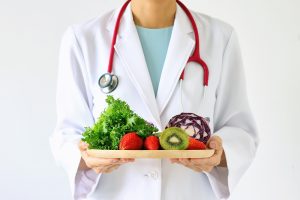
Teaching Nutrition to Doctors: Dr. Nate Wood, MD, inaugural director of Culinary Medicine at Yale School of Medicine, discusses the persistent lack of nutrition education in medical training. Wood defines culinary medicine as combining nutrition science, medicine, education, and culinary skills to help patients and trainees cook health-promoting food. He reviews diet’s broad impact on chronic disease (cardiometabolic disease, dementia, cancer, mental health, MS), challenges in nutrition research, and Yale’s approach emphasizing plant-forward, minimally processed foods while addressing controversies. Barriers to adoption include crowded curricula, lack of trained faculty, unclear competencies, and limited exam coverage, though nutrition is being added to Step exams. Wood describes free patient classes, community outreach, research showing culinary training boosts counseling confidence, GLP-1s as complementary to lifestyle change, and his upcoming book, “Food Figured Out,” due in 2027.




Intelligent Medicine Radio for September 19: Bright Lights at Night Emerge as Heart Disease Risk Factor

Part 1: Emergency Home Medical Kits

MDs react to JAMA op-ed claiming autonomous AI will outperform doctors on routine medical tasks by 2030, spurring widespread layoffs: When even intravenous iron isn’t enough to stave off anemia; “Emergency “ home medical kits draw ire of medical experts: Meta dinged $567 for teen addiction—why spending it for therapy of adolescents who are hooked on social media may be a waste of money; Adequate vitamin D minimizes post-op pain; When is a second prostate biopsy called for?


Part 2: Bright Lights at Night Emerge as Heart Disease Risk Factor

Cancer rise in younger adults may be explained by accelerated cellular aging; “Quadriceps activation failure” may explain common waking difficulty following successful knee replacement; Is “Calocurb” a good natural alternative to GLP-1 drugs? New study claims 4 to 6 servings of whole grains may be the key to heart health—but doubts arise due to its authorship in Iran, a hotbed of scientific research fraud; Splenda back in the crosshairs as new evidence points to genetic damage; Bright lights at night emerge as new heart disease risk factor.


Q&A with Leyla: AI and The Future of Medicine

Q&A with Leyla, Part 1: AI and The Future of Medicine

  • Autonomous Artificial Intelligence (AI) and the future of medicine
  • Are there any alternative ways to lower my blood pressure other than taking prescription medication?


Q&A with Leyla, Part 2: The Coronary Artery Inflammation Controversy

  • As soon as I take my blood pressure meds, I get tired and lack energy for the rest of the day.  What gives?
  • I’m 77 and have Sjögren’s syndrome.  Can I take carnitine?  How much should I take?
  • Are there cardiac side effects to berberine?  Both my husband and I take it for blood sugar.
  • What types of protein are most helpful for osteoporosis and weight gain?
  • The coronary artery inflammation controversy


A Comprehensive Look at Immunity and Supplementation

Innate–Adaptive Balance and BWH 85 Beta-Glucan with Functional Medicine Physician Dr. Rob Rountree: He brings a nuanced view of immunity that rejects the simple “immune boosting” dimmer-switch model and emphasizes immune regulation and readiness. He reviews innate immunity as sentinel cells using pattern recognition receptors (e.g., macrophages) and explains how innate and adaptive systems interface, with innate signaling training adaptive responses; chronic inflammatory disease is framed as rooted in innate dysregulation. He reveals how immune responses can both protect and harm (candida, cytokine storm concerns during COVID) and why test-tube “stimulation” doesn’t equal human effects. The focus is a purified brewer’s yeast (Saccharomyces cerevisiae) beta-1,3/1,6-glucan (BWH 85, 85% purity), its triple-helix structure, receptors (Dectin-1, CR3), dosing (100–500 mg), evidence for improving vaccine response in elders, and potential relevance for autoimmunity, athletes, and cancer surveillance alongside lifestyle and key nutrients like vitamins A, C, D and zinc.


Microbiome Basics: How Pre-, Pro-, and Postbiotics Support Health

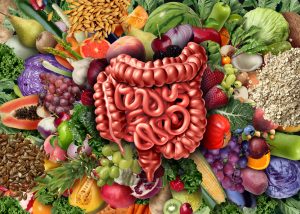
Dr. Ross Pelton, Director of Science & Education for Essential Formulas Incorporated, maker of Dr. Ohhira’s premium probiotic products, reveals how the gut microbiome affects metabolism, appetite, weight regulation, and overall health. He emphasizes the importance of microbiome diversity, supported by eating a wide variety of plant foods rich in fiber and polyphenols, and discusses how fermented foods and postbiotic metabolites help maintain a healthy gut environment. Pelton explains Dr. Ohhira’s multi-year fermentation process and the idea that postbiotics may be key health regulators. He reviews studies suggesting benefits from Dr. Ohhira’s probiotics for athletic performance markers, reduced fatigue, and improved bowel regularity, and notes research showing antibiotic-related losses in gut diversity can persist for years. He also mentions a higher-dose “Reset Challenge,” a postbiotic paste concentrate, and an ME-3 product aimed at increasing glutathione.


Intelligent Medicine Radio for September 12: Wobbly Arms and Shaky Legs—could it be FND?

Part 1: Are vegans hotter than meat eaters?

Paying attention to injuries may speed healing—could pain meds blunt the healing response? Fact check: “Everyone over 70 should take a statin”? Billy Joel’s “brain surgery”; How to live past 100—get condemned to “death row”; Are vegans hotter than meat eaters? Promising lp(a) drug fails crucial test; Pain under the left rib cage—what are the possibilities?


Part 2: Wobbly Arms and Shaky Legs—could it be FND?

Wobbly arms and shaky legs—could it be FND? Women who start hormones in the 50s have 23% lower dementia risk; How to prep for cataract surgery; Plant-based meat alternatives may deliver harmful mycotoxins; Keto diets outperform low-fat and Mediterranean diets for liver health, blood sugar; NY Times highlights magnesium for sleep; Even a single bout of antibiotics produces long-term harm to microbiome.


Q&A with Leyla: Advice for Lipedema

Q&A with Leyla, Part 1: Ultra Processed Food’s Impact on Postpartum Depression/Psychosis

  • Ultra-processed foods’ impact on postpartum depression/psychosis
  • Which should my sister take, Jardiance or Dapagliflozen?  
  • I had aortic valve repair. Can I safely take N1o1?
  • I suffer with trigeminal neuralgia after recent extensive dental work. What do you advise?
  • What would be the optimal total testosterone level for an 84 year old male?


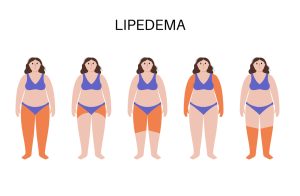
Q&A with Leyla, Part 2: Advice for Lipedema

  • How can I find an integrative pediatrician in the NYC or Weehawken/Hoboken area?
  • Can the xylitol in my nasal spray have an adverse impact on heart health?
  • I chronically use Vaseline on my lips. Is this a concern?
  • My 25-year-old daughter was diagnosed with lipedema stage one. Any advice?
  • I had an Apo B test and am confused at the results. Could you elucidate?


ENCORE: From Baby Powder to Big Pharma: The Dark Legacy of Johnson & Johnson

Former pharma reporter for the New York Times and the Wall Street Journal, investigative reporter Gardiner Harris, discusses his new book “No More Tears: The Dark Secrets of Johnson and Johnson.” It details the unethical practices and numerous scandals that have plagued Johnson & Johnson over the decades, including the asbestos contamination in baby powder, the misuse of the antipsychotic drug Risperdal, the dangerous outcomes of vaginal mesh implants, and the controversial development and deployment of their COVID-19 vaccine. Harris provides a comprehensive overview of the corporate malfeasance within the pharmaceutical giant, shedding light on the regulatory failures and systemic corruption that have allowed these issues to persist.


Treating Muscle, Inflammatory, Nerve, and Brain Pain with Dr. Jacob Teitelbaum

Renowned integrative medicine physician, board-certified internist, and researcher Dr. Jacob Teitelbaum discusses his new book, “Pain Relief in 4 Simple Steps,” and the growing chronic pain epidemic (one in four U.S. adults; about 7% debilitating). Teitelbaum argues most pain is treatable by addressing root causes and describes four biochemical pain types—muscle pain from low energy, inflammatory pain, neuropathic pain, and brain pain (microglial activation)—alongside structural, biophysical, and mind-body contributors. They discuss risks of NSAIDs and Tylenol, diet’s role (processed foods, sugar, seed oils), and strategies such as an Energy Revitalization Drink Mix, SHINE protocol, curcumin with turmeric oils plus boswellia (Curamin), omega-3 support, magnesium, B12 issues with metformin/GLP drugs, lipoic acid for neuropathy and burning mouth syndrome, and migraine support with high-dose riboflavin and magnesium. He also cover CRPS treatments (including ketamine and bisphosphonates), low-dose naltrexone and PEA, compounded topical options, and pelvic pain/prostatitis approaches including quercetin and antibiotics like fosfomycin when appropriate.


Intelligent Medicine Radio for September 5: Brain Stimulation with Magnets for Cognitive Impairment?

Part 1: Pros/Cons of CT Scans vs. MRIs

New study attempts to resolve question over which has contributed more to our current obesity epidemic—diet or sedentary lifestyle? Pros/cons of CT scans vs. MRIs for investigating abdominal complaints; Fish oil rivals effectiveness of antibiotics for periodontal disease; The MIND diet vs. KetoFLEX Diet for fending off cognitive decline; Vitamin B3 helps relieve Raynaud’s symptoms; After American Heart Association green lights coffee, new study shows high consumption can accelerate bone loss; High-dose vitamin D protects memory in light sleepers.


Part 2: Brain Stimulation with Magnets for Cognitive Impairment?

Scientists reveal how much exercise you really need to protect your heart—and no way are you doing enough! Is that prostate biopsy really necessary? It’s true that statins can reduce heart risk even in 70+ individuals—but they don’t prolong life or fend off disability; Magnesium found to prevent age-related sarcopenia, probably by curbing inflammaging; Deep-brain stimulation with external magnets found to enhance brain function in mild cognitive impairment; Are concerns over Avapro blood pressure medication warranted?