ENCORE: Q&A with Leyla: Deep, Restful Sleep

Q&A with Leyla, Part 1: Genetic Testing

  • The 23 & Me bankruptcy
  • The promise of genetic testing in the future
  • What are your thoughts on methylene blue? Any benefits? 


Q&A with Leyla, Part 2: Deep, Restful Sleep

  • How can I treat polycythemia caused by erythropoietin receptor mutation?
  • I have chronic anemia—not iron deficiency. What can I do for my foggy head?
  • What do you recommend for vestibular migraine?
  • Any natural treatments for deep, restful sleep?
  • SLIT – Sublingual Immunotherapy treatment


ENCORE: Cognitive Wellness: Strategies to Preserve and Enhance Brain Function

Understanding and Preserving Cognitive Health with Dr. Barbara Haskin: In this episode of the Intelligent Medicine podcast, host Dr. Ronald Hoffman discusses cognitive health with neuropsychologist Dr. Barbara Haskin, author of “How My Brain Works: A Guide to Understanding It Better and To Keeping It Healthy.” They explore the impact of aging and other factors on cognitive function, citing personal anecdotes and recent research. The conversation centers on the importance of mental well-being, diet, exercise, and sleep in maintaining brain health. Dr. Haskin highlights her professional experiences, including the evaluation and treatment of various cognitive issues through detailed testing and personalized care strategies. The episode concludes with a discussion on practical lifestyle measures to prevent and address cognitive decline.


ENCORE: Biohacking Your Genes: Navigating the Genetic Path to Wellness

In this episode of the Intelligent Medicine Podcast, Dr. Ronald Hoffman interviews Dr. Sharad Paul, a New Zealand physician, on his book, “Biohacking Your Genes: 25 Laws for a Smarter, Healthier, and Longer Life.” They discuss how genes serve as a blueprint but not a destiny, stressing the role of lifestyle and habits in managing genetic risks. Dr. Paul expands on the impact of diet, supplements, and exercise tailored to genetic makeup, citing his holistic approach versus extreme gene-editing biohacking. The conversation touches on vitamin D’s role in health, the misconception about sun exposure, and the relationship between genetics and skin health. Nutrigenomics is explored, illustrating how genetic testing can influence dietary and lifestyle choices, while also covering genetic predispositions related to mood, sodium, and sugar sensitivity. The podcast concludes with actionable tips for optimizing skin health through diet and protective measures.


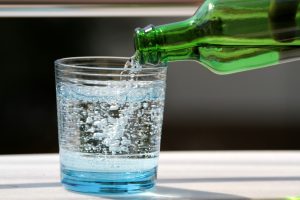
ENCORE: Intelligent Medicine Radio for August 22: Does drinking carbonated water help weight loss?

Part 1: Does drinking carbonated water help weight loss?

New-think on diet for ApoE4, a risk factor for Alzheimer’s—eat meat! Is a non-invasive blood sugar monitor on the drawing board for the next Apple Watch? True or false—does drinking carbonated water help weight loss? Eating while distracted puts on the pounds; Treating duodenitis; How much whey protein should you consume? Why some people fail to lose weight on GLP-1 drugs.


Part 2: New Hope Against Pancreatic Cancer

Don’t skip homocysteine when testing for dementia risk factors; Treating osteoporosis; New hope against pancreatic cancer; Eating right for Parkinson’s Disease; Olive oil helps stave off dementia—but only the right kind; A lifestyle hack that can cut Alzheimer’s risk by 38%; How to reduce high calprotectin on a stool test.


ENCORE: Q&A with Leyla: Heating Pad for Pain

Q&A with Leyla, Part 1: At Home Prostate Tests

  • An example of another bad ‘scientific’ study
  • What do you think of the new at-home prostate test?
  • My calcium score has increased over the years. Am I taking enough Vitamin K? Too much?


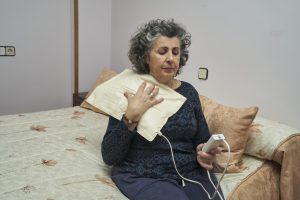
Q&A with Leyla, Part 2: Heating Pad for Pain

  • A case study in high cholesterol
  • How can I lower my Apolipoprotein B? My husband’s A1c went up after taking a statin for 5 months. Help!
  • Can you recommend a good foot cream?
  • Using a heating pad for pain — a listener’s success story
  • How long of a break should I take from my supplement regimen?


Your Ultimate Guide to Magnesium: Facts, Benefits, and Solutions

Natalie Ochoa, president of Jigsaw Health, details widespread magnesium insufficiency and why it occurs (soil depletion, low plant intake/processed foods, stress-related loss, aging, and medication effects including diuretics and proton pump inhibitors). They discuss the poor reliability of standard serum magnesium testing, the limitations of RBC magnesium testing, and using symptoms such as cramps, twitches, constipation, fatigue, and sleep trouble as clues. Ochoa explains Jigsaw’s sustained-release magnesium malate (MagSRT) designed to reduce GI side effects and how to read labels for elemental magnesium, with typical intake around 500 mg/day. She reviews the 2018 placebo-controlled Scottsdale Magnesium Study (91 participants) showing increases in RBC and serum magnesium and reduced deficiency symptoms, and a Korean study linking higher magnesium intake to less sarcopenia and lower CRP. They also cover MagSoothe (magnesium glycinate) and an Oura Ring-based sleep trial reporting reduced perceived stress and improved sleep quality, plus mention Jigsaw’s potassium drink, electrolyte product, and cod liver oil.


Caffeinated Insights: New Findings in Heart Health

Cardiologist and electrophysiologist Dr. Gregory Marcus, chair of the American Heart Association scientific statement writing group, reveals evidence on coffee/caffeine and cardiovascular health. He discusses how earlier assumptions that caffeine triggers arrhythmias are complicated by genetics, individual risk factors, and mostly observational research. Marcus reviews randomized and observational findings: the CRAVE trial showed no increase in premature atrial contractions but more premature ventricular contractions on coffee days; a trial in post-cardioversion patients found less atrial fibrillation with daily coffee. Observational data suggest lower risks of type 2 diabetes, heart attack, stroke, and AFib among coffee drinkers, while heart failure risk may be lower at low intake but higher around 4–5 drinks/day. He cautions against extrapolating benefits to energy drinks, discusses additives like sugar, touches on alcohol, cannabis, Mediterranean/DASH diets, pollution, and evolving AFib treatments, wearables, and pacing/ablation technologies.


Intelligent Medicine Radio for August 15: That Fishy Smell

Part 1: Avocado Oil

Most mayos, salad dressings and chips “made with 100% avocado oil” fail test; Borderline cholesterol—will a coronary calcium scan help decide whether a statin is warranted? Aged Garlic Extract for blood pressure; Immune benefits of BWH Beta Glucan


Part 2: That Fishy Smell

Low-fat dairy shown to confer no weight, cholesterol benefits over full-fat dairy; FDA and USDA to define ultra-processed foods for first time—but what are they really? Newly discovered tick-borne Bourbon virus can be fatal—but is it more pervasive than we think? Thorne supplement maker—sold 3 years ago for $700 million—acquired by Procter & Gamble for $3.8 billion. Those dark skin blotches—are they melasma, or just age spots? Is low-mercury salmon a hype? That fishy smell—does it mean your seafood is spoiled?


Q&A with Leyla: The New Vaccine Schedule Recommendations

Part 1: The New Vaccine Schedule Recommendations

  • The new vaccine schedule recommendations
  • My urologist is giving me grief that my vitamin D level is too high
  • Which nattokinase do you recommend to treat long covid?
  • Is the vitamin K in your bone protocol different from the heart protocol?
  • What about methylated B vitamins for brain vs. heart health?


Part 2: Is taking Bergamot for cholesterol really effective?

  • What are your thoughts on Cleveland Clinic’s assessment of fish oil supplements?
  • If I want to go on your sleep protocol, should I order all of the supplements or choose one?
  • Do you still recommend individual assessments to determine natural treatments for anxiety and depression?
  • Is taking Bergamot for cholesterol really effective?


Mold Exposure Uncovered: Health Implications and New Approaches

Chemical engineer and MoldCo founder Ariana Thacker discusses mold-related illness, including chronic inflammatory response syndrome (CIRS), as a major blind spot in conventional care for chronic, multi-system symptoms. Thacker recounts developing rapid-onset brain fog, slurred speech, GI issues, hair loss, weight gain, and shortness of breath after six and a half months in a moldy Miami apartment, seeing over a dozen specialists who attributed symptoms to stress or anxiety. They discuss exposures beyond allergy (mycotoxins, VOCs, microbial fragments), genetic susceptibility (HLA haplotypes), and prevalence estimates tied to water-damaged homes. The episode covers home detection (sensory/visual checks, humidity, dust PCR/ERMI testing, certified inspectors) and diagnostics/treatment via Shoemaker-related biomarkers and protocols, including low-starch diet guidance and VIP peptide therapy, plus MoldCo’s testing and virtual care services. Could mold exposure be affecting you? Get your risk score. Use the promo code IntelligentMed for 15% off the CIRS, Complete Panel, and Home Test.